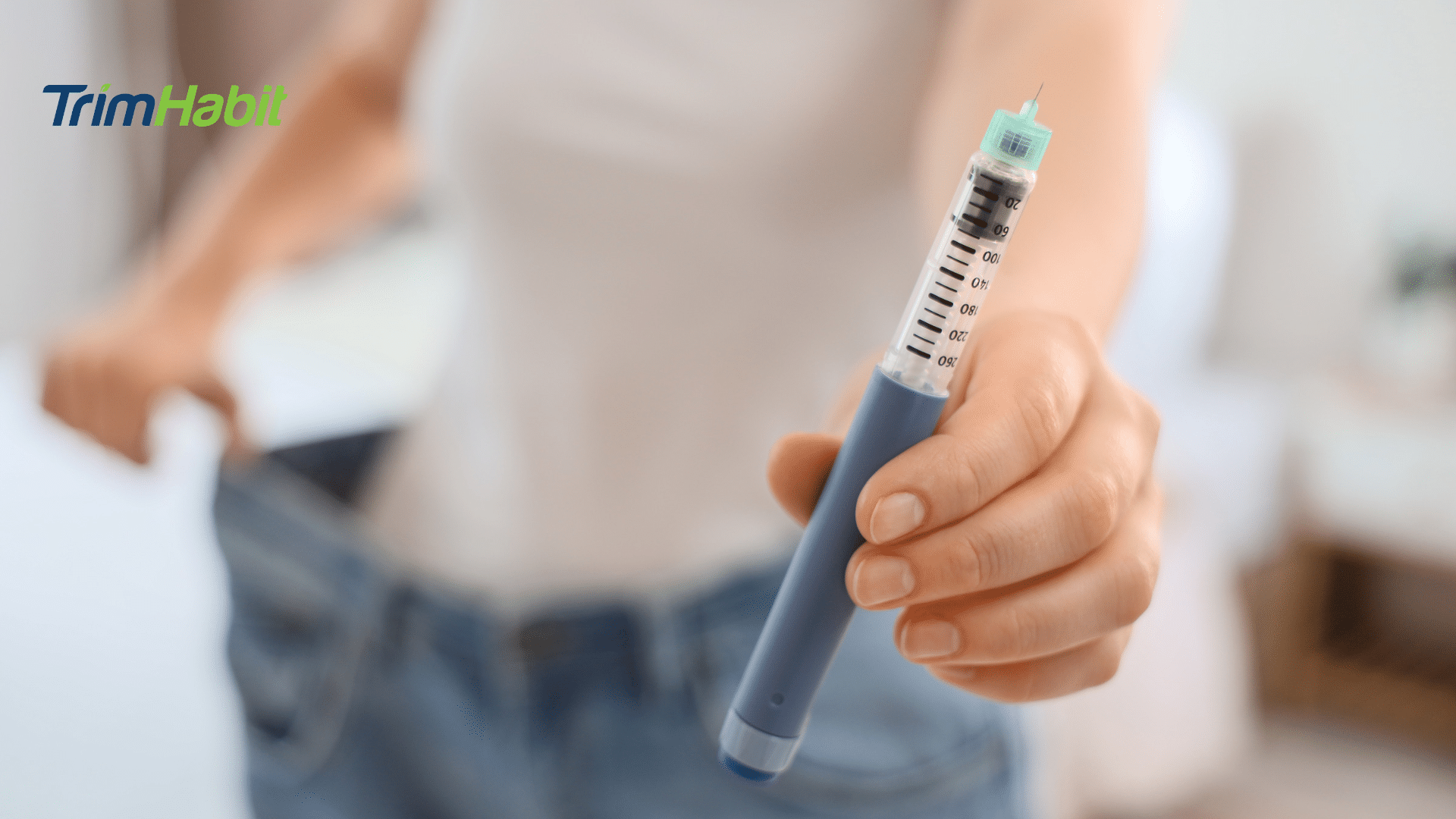
If you’re preparing for a dosage adjustment, knowing how to prepare for a semaglutide dose increase can help you continue treatment while minimizing potential side effects. As your body adjusts to semaglutide, your healthcare provider may gradually increase your dosage to improve treatment effectiveness. However, a higher dose can affect your appetite, digestion, and how your body responds to the medication.
Preparing for a semaglutide dose increase can make the transition more manageable. From choosing the right foods and staying hydrated to recognizing possible side effects, a few simple adjustments can help you feel more comfortable as your treatment progresses.
In this guide, we’ll cover what to expect when increasing your semaglutide dose, how to prepare your body, practical ways to manage common side effects, and when to contact your healthcare provider for additional guidance.
What Happens When You Increase Your Semaglutide Dose?
Semaglutide belongs to a class of medications called glucagon-like peptide-1 (GLP-1) receptor agonists. These medications mimic a naturally occurring hormone that helps regulate blood sugar, appetite, and digestion1.
Semaglutide works by:
- Helping your pancreas release insulin when blood sugar is elevated
- Reducing the amount of glucose released by your liver
- Slowing the rate at which food leaves your stomach
- Influencing appetite and feelings of fullness
- Helping reduce overall food intake
When your healthcare provider increases your dose, these effects may become more noticeable.
You might feel satisfied after eating smaller portions, experience fewer food cravings, or notice improvements in blood sugar control.
However, stronger medication effects can also temporarily increase digestive discomfort.
Because semaglutide slows stomach emptying, food may remain in your stomach longer than usual. This can contribute to nausea, bloating, burping, or uncomfortable fullness, particularly after large meals.
Why Preparing For A Dose Increase Matters
Semaglutide dose increases are gradual because your body needs time to adjust to the medication. As your dosage increases, the medication’s effects on appetite, digestion, and food intake may also change. This can affect how much you eat, how well you tolerate certain foods, and whether you’re getting enough fluids and nutrients.
Preparing ahead of time gives you an opportunity to make practical adjustments before these changes affect your daily routine. For example, planning smaller meals, keeping easy-to-digest foods available, and maintaining regular fluid intake can help you adapt to changes in appetite and digestion.
It also helps you recognize changes in your response to the medication. You can pay attention to your eating patterns, note any new symptoms, and discuss concerns with your healthcare provider rather than making dosage adjustments on your own.
Although preparation cannot guarantee a symptom-free transition, it can help you maintain adequate nutrition, manage changes in food intake, and feel more prepared as your treatment progresses.
How To Prepare For A Semaglutide Dose Increase
1. Review Your Current Symptoms Before Increasing
Before increasing your semaglutide dose, assess how well you’ve tolerated your current prescription.
Consider how you’ve felt during the previous several weeks.
Ask yourself:
- Have I experienced frequent nausea or vomiting?
- Can I eat regular, balanced meals without significant discomfort?
- Am I drinking enough fluids throughout the day?
- Have I experienced persistent constipation or diarrhea?
- Are my current side effects improving or getting worse?
- Have I been able to follow my prescribed medication schedule?
Mild symptoms that have resolved may be less concerning than ongoing digestive difficulties.
However, if you’re struggling to eat, experiencing repeated vomiting, or having difficulty staying hydrated, contact your healthcare provider before increasing your dose.
Your provider may recommend delaying the increase, reviewing your symptoms, or modifying your treatment plan.
Don’t increase your semaglutide dose simply because you’ve reached a particular week on your treatment calendar. Your ability to tolerate the medication matters.
2. Adjust Your Meal Portions Before the Increase
One of the most useful ways to prepare for a higher dose of semaglutide is to reconsider your meal portions.
Because semaglutide slows stomach emptying and increases fullness, eating your usual amount of food may become uncomfortable.
Large meals can worsen nausea, bloating, acid reflux, and abdominal pressure.
Instead of forcing yourself to finish a full plate, try eating smaller, balanced portions.
Helpful eating habits include:
- Start with a smaller serving and eat more if you’re still hungry.
- Chew your food thoroughly and eat slowly.
- Stop eating when you feel comfortably satisfied.
- Avoid rushing through meals.
- Reduce oversized portions of rich or greasy foods.
- Avoid lying down immediately after eating.
You don’t necessarily need to eat more frequently if smaller meals already meet your nutritional needs.
The goal is to maintain adequate nutrition while avoiding the uncomfortable fullness that can occur during treatment.
Pay attention to early signals that you’re satisfied rather than waiting until your stomach feels overly full.
3. Choose Foods That Are Easier on Your Stomach
Your food choices can make a meaningful difference when preparing to increase your semaglutide dose.
Foods that are particularly greasy, heavy, or difficult to tolerate may contribute to nausea and indigestion.
In the days leading up to your scheduled increase, prioritize simple, balanced meals that include protein, carbohydrates, and manageable amounts of healthy fats.
Foods to consider
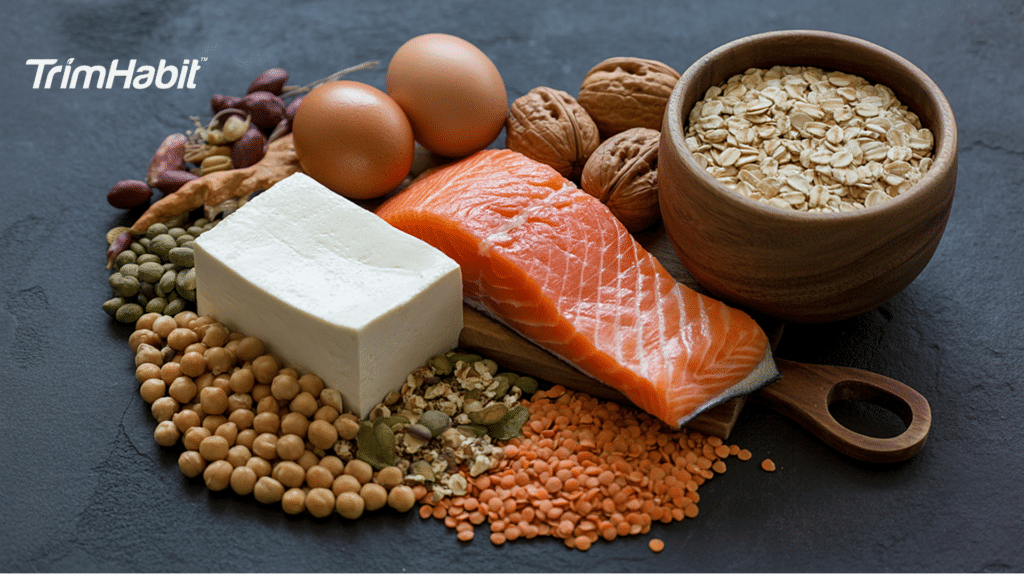
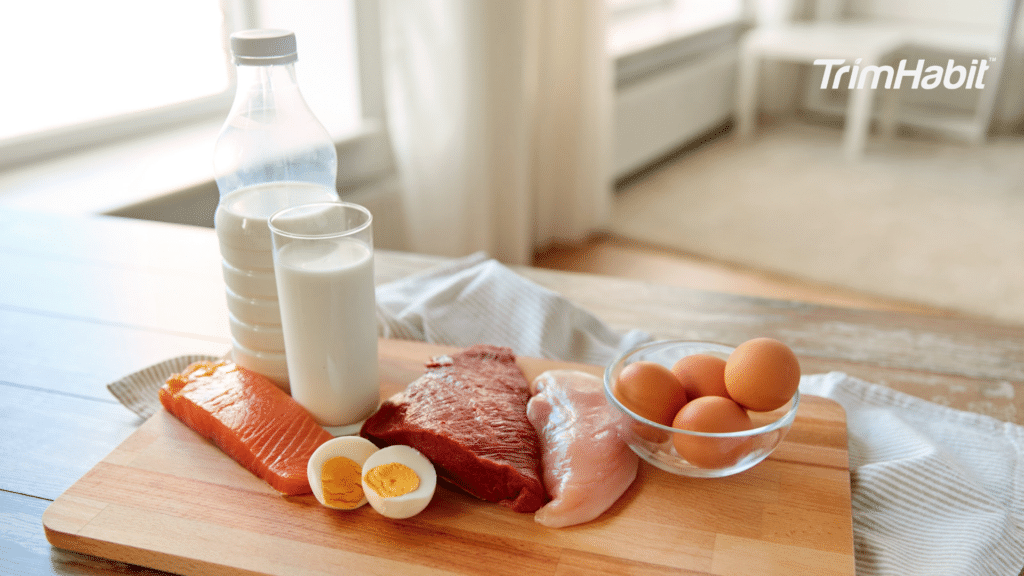
Lean protein sources
- Skinless chicken or turkey
- Fish
- Eggs
- Tofu
- Plain Greek yogurt
Protein supports muscle maintenance and overall nutrition, especially when you’re eating less during weight management treatment.
Gentle carbohydrate options
- Oatmeal
- Rice
- Toast
- Bananas
- Potatoes
- Plain crackers
These foods may be particularly useful when your stomach feels sensitive.
Fruits and vegetables
- Cooked carrots
- Zucchini
- Apples
- Berries
- Leafy greens
- Other vegetables you tolerate comfortably
Vegetables and fruits provide vitamins, minerals, and fiber. If raw vegetables cause bloating, cooked options may be easier to tolerate.
Foods you may want to limit
Consider reducing:
- Fried or excessively greasy meals
- Large portions of fatty meats
- Very spicy foods if they trigger reflux
- Sugary drinks
- Alcohol, especially if it worsens nausea
- Large meals eaten close to bedtime
There is no single semaglutide diet that works for everyone.
Focus on foods you tolerate well while maintaining a balanced, nourishing eating pattern.
4. Stay Hydrated Before and After Increasing Your Dose
Hydration is another important part of preparing for a semaglutide dose increase.
Some people drink less water during treatment because they feel full more quickly or experience reduced appetite.
If nausea, vomiting, or diarrhea occur, dehydration becomes an additional concern.
Significant fluid loss can affect kidney function and may worsen symptoms such as dizziness, headaches, and fatigue.
To support hydration:
- Sip water regularly throughout the day.
- Keep a water bottle nearby.
- Drink fluids between meals if large drinks make you feel overly full.
- Include water-rich foods such as fruit or soup.
- Consider an oral rehydration solution if you’re losing fluids, as advised by your doctor.
Your fluid needs depend on your health, activity level, environment, and medical conditions.
If you have heart failure, kidney disease, or another condition requiring fluid restrictions, follow your healthcare provider’s guidance.
Dark urine, reduced urination, persistent dizziness, and unusual weakness may indicate dehydration.
Contact a healthcare professional if you’re unable to replace lost fluids.
5. Plan Ahead for Possible Nausea
Nausea is one of the most commonly reported side effects of semaglutide, particularly during dose escalation.
Although not everyone experiences it, having a plan can make symptoms easier to manage.
Some strategies include:
- Eating slowly and avoiding oversized portions
- Choosing bland foods when your stomach feels unsettled
- Avoiding foods or smells that trigger nausea
- Remaining upright after eating
- Getting fresh air when feeling uncomfortable
- Taking small, frequent sips of fluids
Some people find ginger tea or ginger-containing foods soothing, although individual responses vary.
Avoid taking anti-nausea medications or supplements without checking that they’re appropriate alongside your prescriptions.
If nausea prevents you from eating normally, disrupts your daily activities, or continues despite dietary changes, contact your healthcare provider.
Persistent symptoms may indicate that you need additional time at your current dose.
6. Prevent Constipation With Gradual Changes
Constipation can become more noticeable when increasing semaglutide because the medication affects gastrointestinal movement.
Reduced food intake and inadequate hydration may also contribute.
You can support regular bowel movements through simple habits:
- Include fiber-rich foods in your meals.
- Increase fiber gradually to avoid worsening bloating.
- Drink adequate fluids.
- Walk or participate in comfortable daily movement.
- Maintain a consistent bathroom routine.
Oats, berries, vegetables, and other fiber-containing foods can help support digestion.
However, suddenly consuming large amounts of fiber may cause additional gas or discomfort.
If constipation becomes persistent, speak with your healthcare provider about safe treatment options.
Severe abdominal pain, significant bloating, or constipation accompanied by vomiting requires prompt medical assessment.
7. Review Your Other Medications
Before increasing your semaglutide dose, make sure your healthcare provider knows about all medications and supplements you’re taking.
This is especially important for people managing type 2 diabetes.
Semaglutide can lower blood sugar, and combining it with certain other diabetes medications may increase the risk of hypoglycemia.
Medications that deserve particular attention include:
- Insulin
- Sulfonylureas, such as glipizide or glimepiride
- Other medications affecting blood glucose
- Oral medications requiring careful monitoring or specific timing
Your healthcare provider may need to review your treatment plan or recommend additional blood sugar monitoring.
Do not independently stop, reduce, or increase other medications.
Also mention any history of pancreatitis, gallbladder problems, significant digestive disorders, kidney concerns, or diabetic eye disease.
If you’re pregnant, planning pregnancy, or breastfeeding, discuss whether semaglutide remains appropriate. Semaglutide, used for weight management, should be discontinued during pregnancy, and it is generally stopped at least two months before a planned pregnancy.
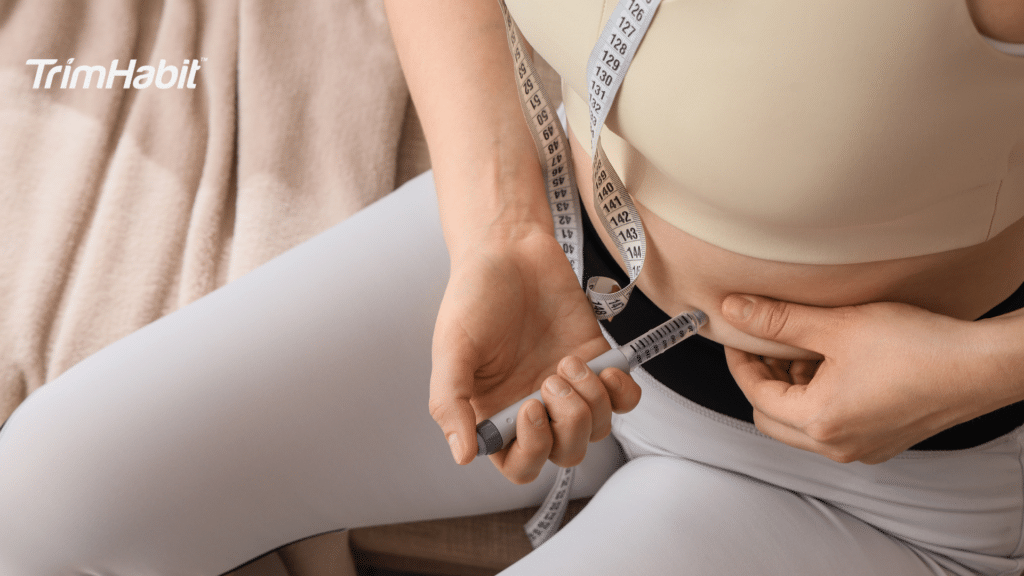
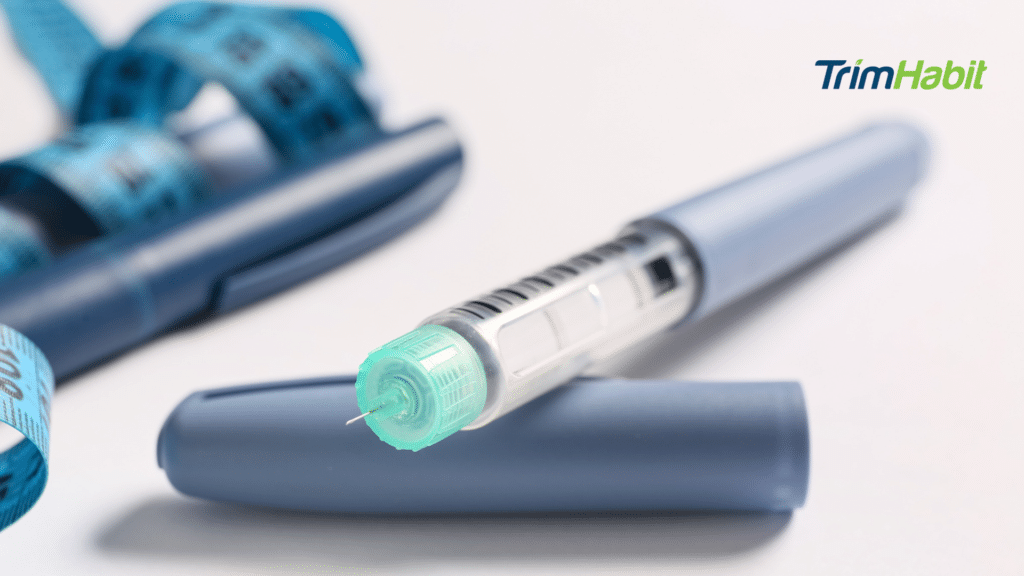
8. Prepare Your Medication and Dosing Schedule
Avoid leaving prescription arrangements until the day your higher dose is due.
Before your scheduled increase, confirm that you have the correct product, strength, and administration instructions.
For injectable semaglutide:
- Verify the prescribed dose with your healthcare provider.
- Check the product label and expiration date.
- Follow the specific storage instructions.
- Review the injection technique provided with your pen.
- Rotate injection sites according to the instructions.
- Use the medication only as prescribed.
For weekly injections, staying consistent with your scheduled administration day can help prevent missed or duplicated doses.
Never estimate a higher dose by counting pen clicks unless your product’s specific instructions explicitly allow that method.
Extra caution is necessary with compounded injectable products supplied in vials. Concentrations can vary, and confusion among milligrams, milliliters, and syringe units has led to serious dosing errors.
If any measurement is unclear, ask your pharmacist or prescriber to demonstrate the exact prescribed amount before administering it.
What To Do The Day Before Your Semaglutide Dose Increase
The day before your dose increase is a good opportunity to prepare without making dramatic changes to your routine.
A simple preparation checklist can help:
- Confirm your prescription: Make sure your healthcare provider has approved the increase.
- Prepare balanced meals: Choose foods you’ve previously tolerated well.
- Hydrate consistently: Drink fluids throughout the day.
- Avoid unusually heavy meals: Large, rich meals may worsen digestive discomfort.
- Review your symptoms: Report unresolved side effects before increasing.
- Check your supplies: Ensure the correct medication and equipment are available.
- Plan your schedule: Allow flexibility if you typically experience discomfort after injections.
You don’t need to fast before a weekly semaglutide injection unless your clinician has given you a separate reason to do so.
The priority is to remain adequately nourished and hydrated while following your prescribed treatment instructions.
What To Expect During the First Week After Increasing Semaglutide
The first week after a dose increase can feel different from previous weeks of treatment. Some people notice stronger appetite suppression or become full after eating less food. Others experience temporary digestive symptoms.
During the first few days
You may notice:
- Mild nausea
- Early fullness
- Reduced interest in food
- Changes in bowel movements
- Temporary bloating
These symptoms can occur at different times after administration and may last for varying periods.
Continue eating manageable, nutritious meals rather than skipping food completely.
Throughout the remainder of the week
Pay attention to whether symptoms are improving, remaining stable, or worsening. You may gradually become more comfortable with the new dose as your body adjusts. However, there is no guaranteed timeline for adjustments.
If symptoms interfere with hydration, nutrition, or your ability to function, contact your healthcare provider rather than assuming you must tolerate them.
When Should You Delay A Semaglutide Dose Increase?
There are situations where increasing your semaglutide dose may not be appropriate.
Your healthcare provider may recommend delaying escalation if you experience:
- Persistent nausea or vomiting
- Significant diarrhea or constipation
- Difficulty eating enough food
- Symptoms of dehydration
- Unexplained abdominal discomfort
- Poor tolerance of your current dose
- A prolonged interruption in your medication schedule
For certain semaglutide products, prescribing instructions allow dose escalation to be delayed when the current dose is not well tolerated.
This flexibility helps healthcare providers tailor treatment to individual needs.
Remaining at a lower dose longer is not necessarily a treatment failure. The objective is to find an effective, tolerable treatment plan rather than increase medication as quickly as possible.
Warning Signs You Should Never Ignore
Most semaglutide-related digestive side effects are mild or moderate, but certain symptoms require medical attention.
Seek urgent medical assessment if you experience:
- Severe, persistent abdominal pain, especially if it spreads toward your back
- Repeated vomiting with an inability to keep fluids down
- Significant dehydration, fainting, or very little urination
- Severe abdominal swelling or pain with an inability to pass stool or gas
- Upper abdominal pain accompanied by fever or yellowing of the skin or eyes
- Sudden changes or loss of vision
Severe abdominal pain may indicate pancreatitis or another urgent condition. Upper abdominal pain can also be associated with gallbladder complications.
Difficulty breathing, swelling of the face or throat, or other symptoms of a severe allergic reaction require immediate emergency care.
People using insulin or sulfonylureas should also watch for symptoms of low blood sugar, including shakiness, sweating, confusion, or weakness, and follow their prescribed hypoglycemia treatment plan.
Do not take another dose while a serious suspected medication reaction is being evaluated unless your treating clinician directs you to do so.
Common Mistakes To Avoid During A Semaglutide Dose Increase
Even experienced semaglutide users can make mistakes during dose adjustments.
Avoid these common problems:
Increasing your dose without approval. A higher dose may increase side effects and should only be used when prescribed.
Eating too little. Reduced appetite doesn’t eliminate your body’s need for protein, fluids, vitamins, and other essential nutrients.
Ignoring ongoing side effects. Persistent vomiting, diarrhea, or abdominal pain should not be dismissed as normal.
Comparing your dose to someone else’s. Treatment needs differ according to medical history, goals, and medication tolerance.
Doubling up after missing medication. Missed-dose instructions vary between semaglutide products. Follow your product instructions and ask your pharmacist if you’re unsure.
Avoiding these mistakes can support safer and more consistent treatment.
Final Thoughts
Preparing for a semaglutide dose increase starts with looking at how you’re responding to your current dose. If you’re still experiencing nausea, constipation, or other side effects, let your healthcare provider know before moving to a higher dose. You should also review your current medications, confirm your next prescribed dose, and make sure you have the supplies you need.
Pay attention to your eating and drinking habits, too. If your appetite has already decreased, think about how you’ll continue getting enough protein, nutrients, and fluids as your dosage changes. Keeping smaller meals and easy-to-digest foods available can also help if your appetite or digestion changes after the increase.
Your dose should increase according to your healthcare provider’s instructions, not simply because a certain amount of time has passed. If you’re having difficulty tolerating your current dose, your provider may recommend delaying the increase rather than moving ahead as scheduled.