Choosing the best foods to eat the day of your semaglutide injection can help you manage digestive discomfort and feel more comfortable after your dose. Semaglutide affects appetite and can slow stomach emptying, which may contribute to nausea, bloating, or feeling full sooner than usual. Meals with lean protein, carbohydrates, and moderate amounts of fat may be easier to tolerate than large, greasy meals, especially if you already experience digestive side effects.
What you eat before and after your injection does not have to be complicated. Focus on getting enough nutrients and fluids while choosing portions that feel comfortable for your stomach. This guide covers foods to eat on injection day, foods that may worsen digestive symptoms, and simple meal ideas to help you manage side effects while taking semaglutide.
Does What You Eat On Semaglutide Injection Day Matter?
Yes, your food choices matter, although there isn’t a specific diet required for semaglutide injections.
Semaglutide is a glucagon-like peptide-1 (GLP-1) receptor agonist. It works partly by slowing stomach emptying and influencing the signals that regulate hunger and fullness1.
Because food moves through your stomach more slowly, certain meals may feel heavier than they did before treatment.
Common digestive side effects include:
- Nausea or an unsettled stomach
- Bloating and increased fullness
- Constipation or diarrhea
- Acid reflux and indigestion
- Occasional vomiting
- Reduced appetite
These symptoms may be more noticeable when starting semaglutide or increasing your dose.
Choosing smaller, balanced meals can help reduce digestive discomfort while providing the nutrients your body needs.
Important: Weekly semaglutide injections can be taken with or without food. You do not need to fast or eat a particular meal before administering your prescribed injection.
10 Best Foods To Eat The Day Of Your Semaglutide Injection
The ideal foods combine nutritional value with comfortable digestion. The following options can help you build satisfying meals without overwhelming your stomach.
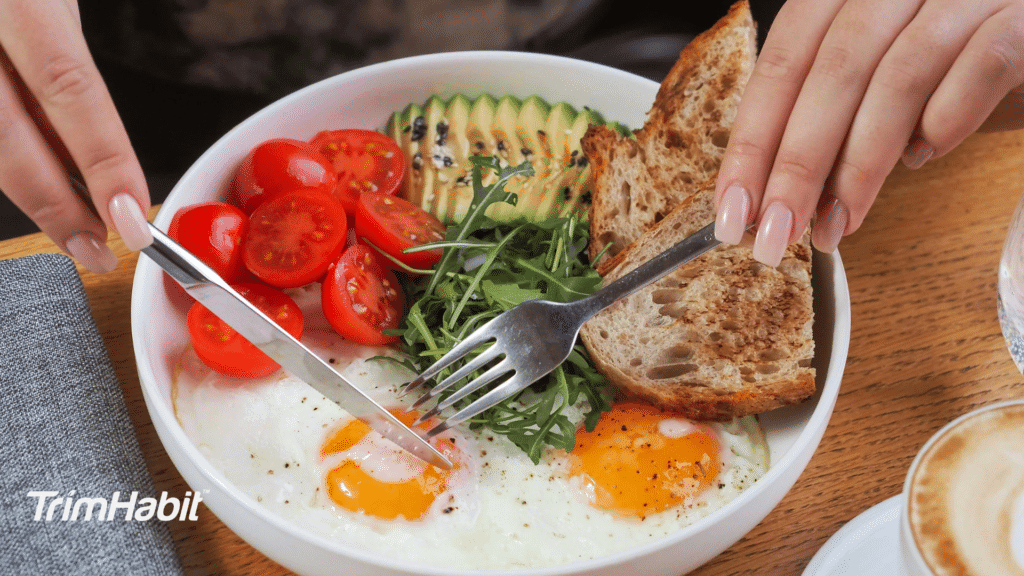
1. Eggs: An Easy Source of Protein
Eggs are among the best foods to eat on semaglutide injection day because they provide high-quality protein in relatively small portions.
Protein is especially important during weight loss because it helps maintain muscle mass as your body loses weight.
Eggs also supply nutrients such as vitamin B12, choline, and selenium.
Easy ways to prepare eggs:
- Soft-boiled eggs with toast
- Scrambled eggs using minimal oil
- Poached eggs with cooked spinach
- An egg and vegetable breakfast wrap
If you’re experiencing nausea, lightly cooked scrambled eggs may be easier to tolerate than a greasy omelet loaded with cheese and butter.
Start with a comfortable portion and adjust according to your appetite.
2. Greek Yogurt: Protein Without a Heavy Meal
Plain Greek yogurt is another excellent injection-day option, particularly when your appetite is low.
It provides protein and calcium without requiring a large meal. Some varieties also contain live cultures that support normal digestive function.
Choose plain, unsweetened varieties when possible to limit added sugar.
Simple Greek yogurt combinations include:
- Greek yogurt with blueberries
- Yogurt with sliced banana
- Yogurt mixed with a small serving of oats
- A smoothie made with yogurt and fruit
Low-fat yogurt may feel more comfortable if rich foods trigger nausea.
If you’re lactose intolerant, choose lactose-free yogurt or another protein-rich alternative.
3. Chicken, Turkey, and Fish: Lean Protein Choices
Lean proteins are valuable throughout semaglutide treatment, including injection day.
Because semaglutide can substantially reduce appetite, it’s important to make the food you do eat count nutritionally.
Chicken breast, turkey, and fish provide essential amino acids that support muscle maintenance and overall health.
Good meal ideas include:
- Baked chicken with steamed carrots
- Grilled fish with mashed sweet potatoes
- Turkey with brown rice
- Chicken and vegetable soup
- Flaked fish with soft-cooked zucchini
Baking, steaming, poaching, and grilling usually require less added fat than deep-frying.
If a full serving feels overwhelming, divide the protein into smaller portions across multiple meals.
4. Oatmeal: Gentle Fiber for Digestive Support
Oatmeal is a nutritious breakfast choice that provides complex carbohydrates and soluble fiber.
Fiber supports regular bowel movements, which is useful because constipation can occur during semaglutide treatment.
Oats contain beta-glucan, a soluble fiber associated with healthy cholesterol levels and improved blood sugar management.
Try preparing oatmeal with:
- Low-fat milk or fortified soy milk
- Sliced bananas
- Blueberries
- A small amount of cinnamon
- A spoonful of plain Greek yogurt
Cook oats until soft, especially if your stomach feels sensitive.
If you’re not accustomed to fiber-rich foods, increase your intake gradually. Suddenly eating large amounts of fiber can contribute to gas and bloating.
Pair oatmeal with adequate fluids to support comfortable digestion.
5. Bananas and Berries: Nutritious Fruit Options
Fruit can provide valuable vitamins, minerals, antioxidants, and carbohydrates during semaglutide treatment.
Bananas are a practical choice when you’re experiencing mild nausea because their soft texture makes them relatively easy to eat.
They also provide potassium, an electrolyte involved in normal muscle and nerve function.
Berries offer additional fiber and vitamin C.
Injection-day fruit options include:
- Ripe bananas
- Blueberries
- Strawberries
- Raspberries
- Peeled apples
- Unsweetened applesauce
Whole fruit is generally preferable to sugary fruit drinks because it provides fiber.
However, if nausea or diarrhea temporarily makes fiber difficult to tolerate, softer or peeled fruit may be more comfortable.
Choose portions based on your appetite and individual blood sugar needs.
6. Cooked Vegetables: Nutrients That Are Easier to Tolerate
Vegetables provide essential micronutrients and fiber that support a balanced diet during weight loss.
However, large raw salads may worsen bloating or uncomfortable fullness for some people taking semaglutide.
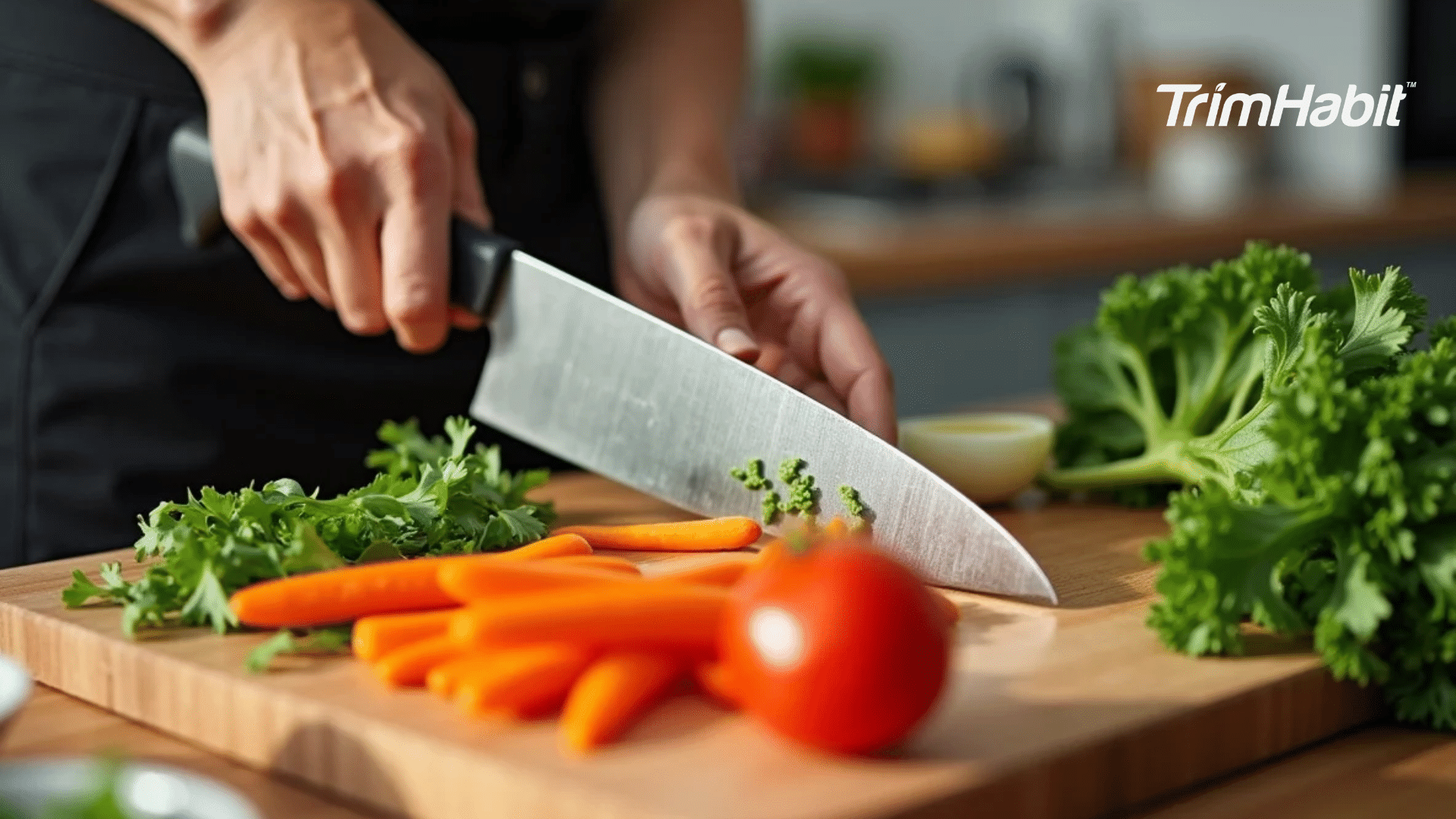
Cooking vegetables softens their texture and can make them more comfortable to eat.
Good cooked vegetable options include:
- Steamed carrots
- Cooked spinach
- Roasted zucchini
- Green beans
- Pumpkin
- Soft-cooked squash
Pair vegetables with lean protein and a moderate portion of carbohydrates for a balanced meal.
If you experience gas, try smaller servings rather than eliminating vegetables completely.
You can gradually increase variety as your digestive symptoms improve.
7. Rice, Toast, and Crackers: Bland Foods for Nausea
Although whole grains are generally recommended for long-term nutrition, plain rice, toast, and crackers can be helpful when nausea makes regular meals difficult.
These bland foods are relatively low in fat and may be easier to tolerate during temporary digestive discomfort.
Consider trying:
- Plain toast
- White rice
- Unsalted crackers
- Plain rice cakes
- A small serving of simple noodles
Eat small amounts slowly and see how your stomach responds.
For people managing diabetes, carbohydrate portions still matter, particularly when eating refined grains.
These foods work best as temporary options for nausea rather than as replacements for nutrient-dense meals throughout the week.
When you feel better, reintroduce proteins, vegetables, and fiber-rich carbohydrates.
8. Tofu, Beans, and Lentils: Plant-Based Nutrition
Plant-based proteins can be valuable additions to your semaglutide diet.
Tofu is particularly versatile because it provides protein and can be prepared with a soft texture.
Beans and lentils offer protein, fiber, iron, and other essential nutrients.
Easy meal ideas include:
- Silken tofu in vegetable soup
- Soft tofu with rice
- Lentil soup
- Mashed beans with whole-grain toast
- Small portions of cooked chickpeas
Because beans and lentils are fiber-rich, they may cause gas or bloating in sensitive individuals.
If you’re already experiencing digestive discomfort, start with tofu or a small portion of well-cooked lentils.
Introduce higher-fiber legumes gradually as tolerated.
9. Soups and Broths: Light Meals With Added Fluids
Soup is one of the easiest meals to prepare when your appetite is reduced.
Broth-based soups provide fluids and can include protein, vegetables, and carbohydrates in manageable portions.
Warm soup may also be more appealing than a heavy meal when you feel nauseated.
Nutritious options include:
- Chicken and vegetable soup
- Turkey and rice soup
- Clear broth with tofu
- Pumpkin soup with added protein
- Mild vegetable soup
Choose lighter preparations rather than creamy soups containing large amounts of butter or heavy cream.
Soup can be helpful when you’re struggling to eat, but it should still provide enough nutrients to contribute to your daily needs.
10. Sweet Potatoes and Whole Grains: Steady Energy
Complex carbohydrates provide energy and help complete a balanced meal.
Sweet potatoes contain fiber, potassium, and beta-carotene, while whole grains offer additional vitamins and minerals.
Good choices include:
- Baked sweet potatoes
- Quinoa
- Brown rice
- Whole-grain bread
- Barley
Combine these foods with lean proteins and vegetables rather than eating oversized portions.
For example, baked fish with a small sweet potato and cooked spinach creates a nutrient-dense meal.
If whole grains cause bloating during periods of nausea, temporarily choose softer, lower-fiber carbohydrates.
Healthy fats from olive oil, avocado, nuts, and seeds can also fit into your diet, but keep portions moderate if fatty foods worsen symptoms.
Sample Semaglutide Injection Day Meal Plan
Planning meals can make injection day feel more manageable, especially when your appetite is unpredictable.
This sample menu emphasizes protein, comfortable portions, and adequate hydration.
Breakfast: Scrambled Eggs and Toast
Start with:
- One or two scrambled eggs
- One slice of whole-grain toast
- A small serving of cooked spinach
- Water or a non-caffeinated beverage
This breakfast provides protein, carbohydrates, and micronutrients without requiring a large portion.
Mid-Morning Snack: Greek Yogurt
If you’re hungry, try:
- Plain Greek yogurt
- A few blueberries or banana slices
- Water
You don’t need to force a snack if you’ve recently eaten and feel satisfied. However, regularly missing meals can make it difficult to meet your nutritional needs.
Lunch: Chicken and Rice Bowl
Prepare:
- Grilled or shredded chicken
- A small serving of rice
- Steamed carrots or zucchini
- A little olive oil if tolerated
Eat slowly and save leftovers if you feel full before finishing.
Afternoon Snack: Banana or Crackers
Choose a light snack depending on how you feel.
A banana provides carbohydrates and potassium, while plain crackers may be preferable if mild nausea develops.
Dinner: Baked Fish With Sweet Potato
End the day with:
- Baked fish
- Mashed or baked sweet potato
- Cooked green beans
- Water
This meal provides protein, complex carbohydrates, and vegetables.
Remember: This is an example, not a prescribed calorie-controlled meal plan. Portion sizes and nutritional requirements vary depending on your health, activity level, and treatment goals.
Foods To Avoid Or Limit On Semaglutide Injection Day
No single food is universally forbidden with semaglutide injections. However, certain foods may trigger or worsen digestive side effects.
Fried and Greasy Foods
High-fat meals can increase the risk of uncomfortable fullness, reflux, or nausea.
Consider limiting:
- Fried chicken
- French fries
- Greasy burgers
- Deep-fried snacks
- Heavy cream sauces
Choose baked or grilled alternatives when possible.
Large, Heavy Meals
Eating too much at once may cause discomfort because semaglutide slows stomach emptying.
Instead of one oversized meal, try smaller meals spaced throughout the day.
Sugary Drinks and Desserts
Sugary beverages can contribute substantial calories without providing much nutritional value.
They can also complicate blood sugar management, particularly for people with diabetes.
Choose water or another unsweetened beverage more often.
Spicy Foods
Spicy dishes may aggravate reflux or nausea in sensitive individuals.
You don’t need to eliminate spices if you tolerate them well. Simply reduce foods that consistently trigger symptoms.
Alcohol
Alcohol can worsen nausea, contribute to dehydration, and affect blood sugar.
If you drink alcohol, ask your healthcare professional whether it is appropriate with your medications and medical history.
How To Manage Semaglutide Side Effects With Food
Even with careful meal planning, digestive symptoms can occur. Different symptoms may require different dietary adjustments.
If You Feel Nauseated
Try these strategies:
- Eat smaller portions more frequently.
- Choose bland, low-fat foods.
- Take small bites and chew thoroughly.
- Avoid strong food odors if they trigger nausea.
- Stay upright after eating.
- Sip fluids throughout the day.
Do not force yourself to finish a meal when you feel uncomfortably full.
If You Experience Constipation
Drink enough fluids, stay active, and gradually increase fiber through foods such as oatmeal, vegetables, and berries. Increase fiber slowly to avoid worsening bloating. Contact your healthcare professional if constipation becomes persistent or painful.
If You Experience Diarrhea
Prioritize fluids and gentle foods such as bananas, rice, toast, and broth-based soups. Avoid fatty foods and anything that worsens your symptoms. Seek medical advice if diarrhea is severe, persistent, or causes signs of dehydration.
How Much Water Should You Drink On Injection Day?
Hydration is important throughout semaglutide treatment, not just when you take your injection.
Nausea, vomiting, and diarrhea can lead to fluid loss, while reduced food intake may also reduce the fluids you normally get from meals.
Helpful hydration habits include:
- Drink water regularly throughout the day.
- Keep a water bottle nearby.
- Take smaller sips if large drinks worsen nausea.
- Include hydrating foods such as soup and fruit.
There is no universal water target appropriate for everyone. Fluid requirements depend on body size, activity, climate, and medical conditions.
If vomiting or diarrhea is significant, ask your healthcare professional whether an oral rehydration solution is appropriate.
When Should You Contact Your Healthcare Provider?
Mild digestive symptoms are relatively common, but some symptoms require medical attention.
Seek urgent medical evaluation for severe or persistent abdominal pain, especially if it radiates toward your back, or for symptoms of a serious allergic reaction.
Contact your healthcare provider promptly if you experience:
- Repeated vomiting or inability to keep fluids down
- Severe or persistent diarrhea
- Signs of dehydration, such as very little urine or pronounced dizziness
- Persistent difficulty eating enough
- Severe constipation or worsening abdominal symptoms
If you use insulin or a sulfonylurea, ask your healthcare team how to recognize and manage low blood sugar.
Final Thoughts
The best foods to eat the day of your semaglutide injection are nutritious, easy to tolerate, and appropriate for your individual dietary needs.
Lean proteins, Greek yogurt, eggs, oatmeal, fruit, cooked vegetables, and light soups are practical choices.
Prioritize smaller balanced meals, consistent hydration, and adequate protein instead of extreme dieting or skipping meals.
Most importantly, pay attention to how your body responds. A sustainable eating routine throughout the week is more valuable than trying to follow a perfect injection-day menu.
With thoughtful food choices and guidance from your healthcare team, you can support your nutritional needs while managing semaglutide treatment more comfortably.