When semaglutide makes you feel full after only a few bites, finishing a normal meal can become difficult. You might start skipping breakfast, eating only a small portion at lunch, or realizing at the end of the day that you have barely eaten. Although reduced food intake is part of how semaglutide supports weight loss, consistently eating too little can leave you short of the nutrients your body needs.
Learning how to eat enough nutrients when semaglutide kills your appetite means making better use of the limited food you can comfortably eat. Protein, iron, calcium, fiber, and other essential nutrients still matter, even when your hunger is noticeably lower. The challenge is getting enough of them without forcing large meals or making nausea and fullness worse.
Why Semaglutide Makes It Harder To Meet Your Nutritional Needs
Semaglutide reduces appetite by acting on glucagon-like peptide-1 (GLP-1) receptors involved in appetite regulation. It affects areas of the brain responsible for hunger and food intake, helping you feel satisfied with smaller amounts of food. The medication can also delay gastric emptying, particularly during the earlier stages of treatment.
These effects can change how you approach everyday meals. You might no longer feel hungry when lunchtime arrives, become full halfway through a sandwich, or find that foods you previously enjoyed are suddenly unappealing. Nausea, constipation, and other gastrointestinal side effects can make eating even less comfortable.
Research helps explain just how much food intake can change. In a randomized controlled trial published in 2021, adults with obesity taking semaglutide 2.4 mg consumed approximately 35% fewer calories during a test meal than participants receiving a placebo. They also reported less hunger, greater fullness, and fewer food cravings1.
However, consuming fewer calories also means you have fewer opportunities to obtain essential nutrients. If you reduce your portions without changing what goes into them, you may end up eating very little protein, avoiding entire food groups, or missing important sources of vitamins and minerals.
A 2025 nutritional advisory on GLP-1 medications specifically identifies inadequate nutrient intake, muscle loss, and potential vitamin and mineral deficiencies as concerns during treatment2. This makes food selection particularly important when your appetite is consistently suppressed.
Put Protein First When You Have Limited Appetite
Protein deserves particular attention because your body needs it to maintain muscle, repair tissues, and produce enzymes and hormones.
During weight loss, your body uses stored fat for energy, but some lean tissue can also be lost. This includes skeletal muscle, which supports movement, physical strength, and everyday activities.
A body composition analysis from the STEP 1 semaglutide trial found reductions in both fat mass and lean body mass among participants receiving semaglutide. Fat mass accounted for a greater proportion of the weight lost, but lean tissue also decreased3.
Eating enough protein can help limit muscle loss during weight reduction, especially when combined with resistance exercise.
Choose Protein Sources That Do Not Require Large Portions
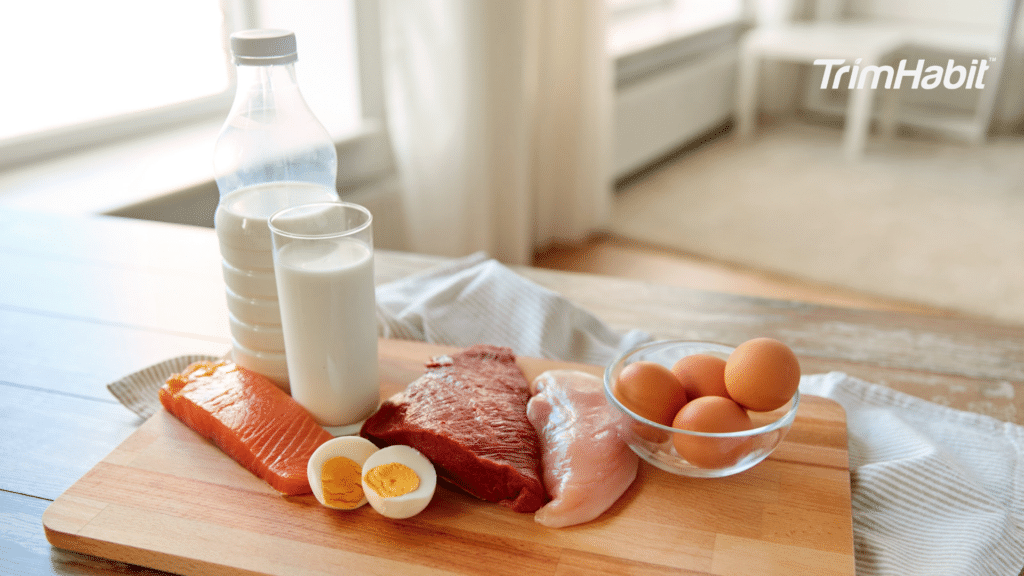
A large chicken breast or a substantial serving of meat might feel overwhelming when your appetite is low. Instead, choose protein sources that provide a useful amount in a smaller serving.
Consider these options:
- Eggs: Two eggs provide approximately 12 grams of protein, along with vitamin B12, choline, and other nutrients. They are also easy to prepare in different ways.
- Greek yogurt: A small container can provide around 15–20 grams of protein, depending on the brand. It also supplies calcium and vitamin B12.
- Cottage cheese: A convenient option that provides protein and calcium without requiring much preparation.
- Fish: Tuna, salmon, and other fish provide protein. Oily fish also contain omega-3 fatty acids.
- Chicken: A modest serving of skinless chicken provides concentrated protein without requiring a large meal.
- Tofu: Provides plant-based protein and can be added to soups, stir-fries, or rice dishes.
- Milk or fortified soy milk: Both can contribute protein, while also providing calcium when appropriately fortified.
You can also combine smaller portions of different protein sources. For example, an egg with a little Greek yogurt may be easier to finish than a large serving of meat.
Distribute Protein Instead of Saving It for Dinner
If you eat very little during breakfast and lunch, getting enough protein at dinner can become difficult. Your appetite may already be low by then, making a large evening meal uncomfortable.
Try including a protein source whenever you eat. Have eggs at breakfast, yogurt between meals, fish at lunch, and tofu or chicken at dinner.
The 2025 nutritional advisory discusses protein intakes of approximately 1.2–2.0 grams per kilogram of body weight daily during active weight reduction. However, this is not a universal requirement. Your appropriate intake depends on factors such as age, body composition, activity level, and kidney health2.
A registered dietitian can help calculate an appropriate daily amount and divide it into portions that fit your appetite.
Choose Foods That Provide More Nutrients In Less Food
When your appetite is significantly reduced, filling your stomach with foods that provide very little nutritional value can leave you struggling to meet your needs.
For example, a few crackers may settle your stomach temporarily, but they provide relatively little protein, vitamins, and minerals. Repeatedly relying on foods like these can make nutritional gaps more likely.
Instead, prioritize foods that provide several nutrients in one serving.
Include Fruits and Vegetables You Can Easily Finish
Fruits and vegetables provide vitamins, minerals, fiber, and other beneficial plant compounds. However, eating large salads or several cups of vegetables may not be appealing when you already feel full.
You can get similar nutritional benefits from smaller servings throughout the day.
Try adding:
- Berries to Greek yogurt for fiber and vitamin C.
- Spinach to scrambled eggs for folate and vitamin K.
- Carrots or squash to soup for beta-carotene.
- A small banana to oatmeal for potassium and vitamin B6.
- Cooked broccoli alongside fish for vitamin C, folate, and fiber.
- Avocado to toast for fiber, potassium, and unsaturated fats.
Preparation also matters. If raw vegetables cause bloating or make you feel uncomfortably full, try steaming or cooking them until tender. A small serving of cooked vegetables may be easier to tolerate than a large raw salad.
Frozen vegetables are another practical option. They require little preparation and can be added directly to soups, rice dishes, and other meals.
Keep Whole Grains in Your Diet
Carbohydrates are still important when you take semaglutide. They provide energy for your brain, muscles, and other tissues.
Whole grains are particularly useful because they provide carbohydrates along with fiber, B vitamins, magnesium, and other minerals.
Good choices include oatmeal, brown rice, quinoa, whole-wheat bread, and whole-grain cereals.
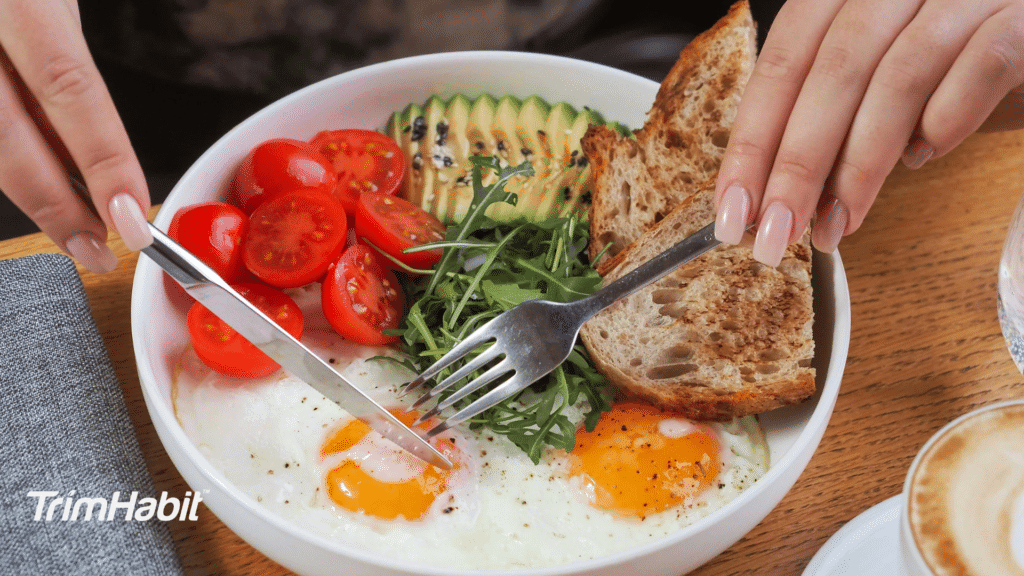
If you struggle to eat a full serving, incorporate smaller amounts into meals that already contain protein. For example, have an egg with whole-grain toast or serve a small portion of brown rice with fish and cooked vegetables.
This allows you to obtain energy and fiber without relying on a large plate of food.
Include Healthy Fats Without Making Meals Too Heavy
Fat is an important part of your diet, even when weight loss is your priority. It provides energy, supports cell function, and helps your body absorb vitamins A, D, E, and K.
However, fatty foods can be difficult to tolerate while taking semaglutide. Some people experience more nausea, reflux, or stomach discomfort after eating greasy or particularly rich meals.
The solution is to choose moderate portions of foods containing unsaturated fats rather than eliminating fat altogether.
Examples include:
- A few slices of avocado with breakfast.
- A teaspoon of olive oil added to cooked vegetables.
- A small handful of almonds or walnuts.
- A spoonful of peanut butter with whole-grain toast.
- Chia or ground flaxseeds mixed into yogurt.
- Salmon or sardines as a protein source.
These foods provide more than just fat. Nuts and seeds also supply minerals, while oily fish provides protein and omega-3 fatty acids.
Pay attention to portion sizes and your digestive response. A small amount of peanut butter may be comfortable, while a large serving of nuts or a heavily fried meal may worsen nausea.
Make Smaller Meals Work Harder
Eating three full meals a day may no longer feel realistic when semaglutide suppresses your appetite. You might feel satisfied after a small breakfast and have little interest in eating again for several hours.
Rather than forcing yourself to finish traditional portions, divide your food intake into smaller meals and snacks.
For example, instead of eating a large breakfast consisting of eggs, toast, and fruit, divide it into two smaller eating occasions. Have an egg with toast in the morning, then eat some yogurt with fruit later.
This gives you additional opportunities to consume nutrients without making one meal feel overwhelming.
Build Small Meals Around More Than One Food Group
A small serving of a single food may not provide enough nutritional variety. Combining two or three foods can make a noticeable difference.
Here are some practical combinations:
- Breakfast: One or two eggs with whole-grain toast.
- Morning snack: Greek yogurt with berries.
- Lunch: A small serving of chicken, brown rice, and cooked vegetables.
- Afternoon snack: Banana with a little peanut butter.
- Dinner: Fish with mashed potatoes and steamed carrots.
You can adjust the portions depending on your appetite. If you cannot finish everything at once, save the remaining food for later.
It may also help to eat protein-rich foods first when your appetite is particularly limited. This gives you a better chance of getting enough protein before you feel too full to finish the rest of your meal.
Use Smoothies and Nutritional Drinks When Solid Food Is Difficult
There may be days when chewing and finishing solid food feels particularly unpleasant. This can happen when nausea is present or when prolonged fullness makes even small meals difficult.
On those days, nutrient-containing beverages can provide another way to increase your intake.
Make Smoothies With More Than Just Fruit
A fruit-only smoothie may provide carbohydrates and vitamins, but it may not contain much protein or fat.
A more complete combination could include:
- One small banana.
- Half a cup of Greek yogurt.
- Half a cup of milk or fortified soy milk.
- A small handful of berries.
- One teaspoon of ground flaxseed.
This combination provides protein, calcium, carbohydrates, fiber, and several vitamins and minerals.
You can adjust the ingredients based on what you tolerate. If a thick smoothie makes you feel too full, use more liquid and drink a smaller amount at a time.
When Nutritional Drinks May Help
If you regularly struggle to consume enough food, a nutritional drink may help provide additional energy, protein, vitamins, and minerals.
However, not every protein shake is a complete meal replacement. Some products contain substantial protein but very little fiber, fat, or other essential nutrients.
Check the nutrition label before choosing one. If you need a drink to replace a meal, look for a product specifically formulated to provide a broader range of nutrients.
A dietitian can also help determine whether you need a complete nutritional supplement or simply an additional source of protein.
Watch Your Intake Of Important Vitamins And Minerals
Eating less can affect more than your protein intake. If your meals become repetitive or you start avoiding certain food groups, you may also miss important vitamins and minerals.
Some nutrients deserve particular attention during periods of reduced food intake.
Iron
Iron helps your body produce hemoglobin, which carries oxygen in your blood. Inadequate iron intake can contribute to iron deficiency and eventually iron-deficiency anemia.
You can obtain iron from lean meat, seafood, beans, lentils, tofu, and fortified cereals.
If you rely mostly on plant-based sources, pair them with vitamin C-rich foods. For example, add tomatoes to lentils or have citrus fruit with a meal containing beans. Vitamin C improves the absorption of non-heme iron found in plant foods.
Vitamin B12
Vitamin B12 supports normal nerve function, red blood cell production, and DNA synthesis.
Fish, meat, eggs, and dairy products are useful sources. Fortified foods can also provide B12 if you eat few animal-based products.
If your appetite has made you avoid most meat, fish, and dairy, pay attention to whether you are still getting enough from other sources.
Calcium and Vitamin D
Calcium is necessary for bone health, muscle contraction, and nerve signaling. Vitamin D helps your body absorb calcium and supports bone and muscle function.
Milk, yogurt, calcium-fortified plant beverages, and calcium-set tofu can contribute calcium.
Vitamin D is found in oily fish, egg yolks, and fortified foods. Your body’s production of vitamin D through sunlight also varies with factors such as sun exposure, skin pigmentation, and age.
If your intake of dairy and fortified foods is low, discuss whether you need an assessment of your calcium and vitamin D intake.
Folate
Folate supports DNA production and normal cell division. It is especially important during periods of rapid cell growth and pregnancy.
Leafy vegetables, beans, lentils, asparagus, and fortified grains provide folate.
Adding a small serving of spinach to eggs or including lentils in soup can help increase your intake without requiring a substantial meal.
Magnesium and Potassium
Magnesium contributes to normal muscle and nerve function, while potassium helps regulate fluid balance, blood pressure, and muscle contractions.
Nuts, seeds, beans, and whole grains provide magnesium. Bananas, potatoes, yogurt, beans, and leafy vegetables supply potassium.
You do not need to eat all these foods every day. The more useful strategy is to include different sources across the week rather than relying on only a few familiar foods.
Stay Hydrated When Your Appetite And Thirst Are Low
When you are eating less, you may also consume less fluid. This can happen when you skip meals, avoid soups and other water-containing foods, or simply forget to drink because you are not thinking about food.
Hydration becomes especially important if you experience vomiting, diarrhea, or constipation while taking semaglutide.
Water supports normal circulation, temperature regulation, digestion, and kidney function. Insufficient fluid intake can contribute to headaches, dizziness, constipation, and dehydration.
Keep a water bottle nearby and drink smaller amounts regularly if drinking a full glass at once makes you uncomfortable.
You can also obtain fluids from:
- Water with lemon or cucumber.
- Unsweetened tea.
- Milk or fortified soy milk.
- Broth-based soups.
- Water-rich fruits such as watermelon and oranges.
If vomiting or diarrhea prevents you from replacing lost fluids, contact your healthcare professional. Dehydration can become serious, particularly when fluid losses continue.
Your individual fluid needs may also differ if you have kidney disease, heart failure, or another condition that requires fluid restrictions.
Adjust Your Food Choices When Nausea Gets In The Way
Nausea can make it difficult to eat even when you recognize that you need food. It is commonly reported during semaglutide treatment and may become more noticeable after increasing your dose.
During these periods, prioritize foods that you can tolerate rather than trying to maintain your usual meals.
Plain toast, oatmeal, crackers, bananas, rice, potatoes, and broth-based soups may feel easier to eat temporarily.
However, these foods should not become your entire diet for several days or weeks. Many provide limited protein and may not supply enough vitamins, minerals, or energy to meet your needs.
As nausea improves, gradually bring back protein sources and a wider range of foods.
A few other adjustments may help:
- Eat slowly instead of trying to finish your food quickly.
- Choose smaller portions rather than large meals.
- Limit greasy or heavily fried foods if they trigger nausea.
- Avoid foods with strong smells if they make you feel sick.
- Drink fluids gradually instead of consuming large amounts with meals.
- Avoid lying down immediately after eating.
If nausea consistently prevents you from eating enough, contact your prescriber. Persistent vomiting, severe abdominal pain, or signs of dehydration should not be dismissed as ordinary medication side effects.
Your healthcare professional can assess your symptoms and determine whether your dose or treatment needs to be adjusted.
Recognize When Your Food Intake Is Too Low
A reduced appetite does not automatically mean you are eating an adequate amount for your body. If you consistently struggle to finish even small meals, your intake may be falling below what you need.
Pay attention to changes in your physical condition, particularly if they continue over several weeks.
Possible warning signs include:
- Persistent fatigue even after adequate sleep.
- Dizziness or frequent lightheadedness.
- Noticeable loss of strength.
- Difficulty completing your usual workouts.
- Poor exercise recovery.
- Unintentional hair shedding.
- Increasing constipation.
- Difficulty concentrating or feeling unusually weak.
These symptoms can have different causes, so they should not automatically be attributed to nutritional deficiencies. However, they are worth discussing with your healthcare professional, especially when they occur alongside substantial reductions in food intake.
You should also seek advice if you regularly skip meals because you never feel hungry or find that nausea prevents you from eating most foods.
A registered dietitian can review your usual intake and identify which nutrients you may be missing. They can also help you increase your food intake without relying on large portions that worsen your symptoms.
Final Thoughts: How To Eat Enough Nutrients When Semaglutide Kills Your Appetite
When semaglutide significantly reduces your appetite, the challenge is not simply eating less. It is making sure that the smaller amounts of food you consume still provide enough protein, fiber, vitamins, minerals, and energy.
Start with protein-rich foods that are easy to finish, such as eggs, Greek yogurt, fish, and tofu. Add small portions of vegetables, fruits, whole grains, and healthy fats to cover other nutritional needs. When solid food becomes difficult, smoothies and nutritionally complete drinks can provide additional support.
Most importantly, do not assume that eating as little as possible will produce better weight-loss results. If your appetite is so suppressed that you regularly struggle to eat, speak with your prescriber or a registered dietitian. Your food intake should support your health while you lose weight, not leave you feeling weak or nutritionally depleted.