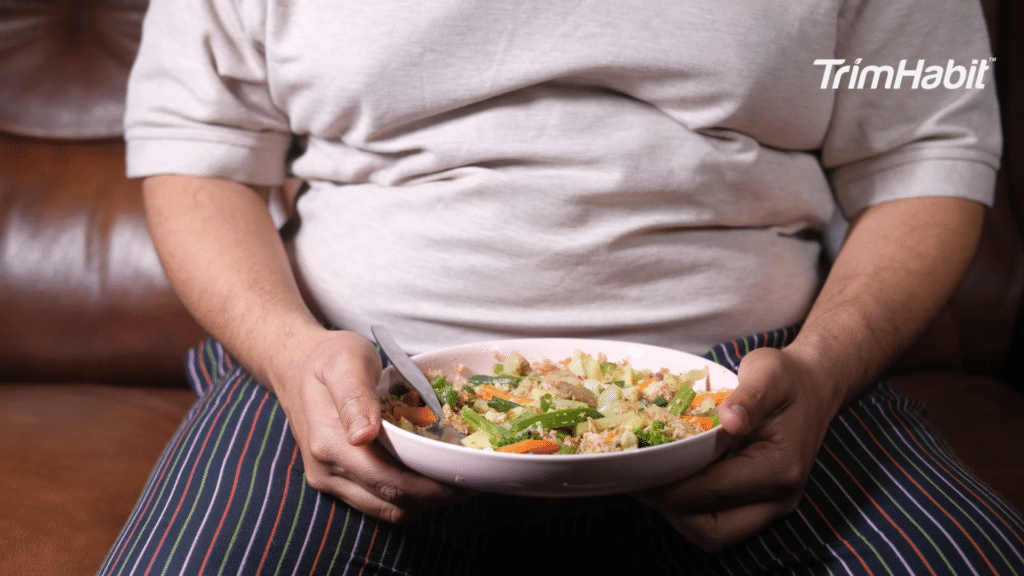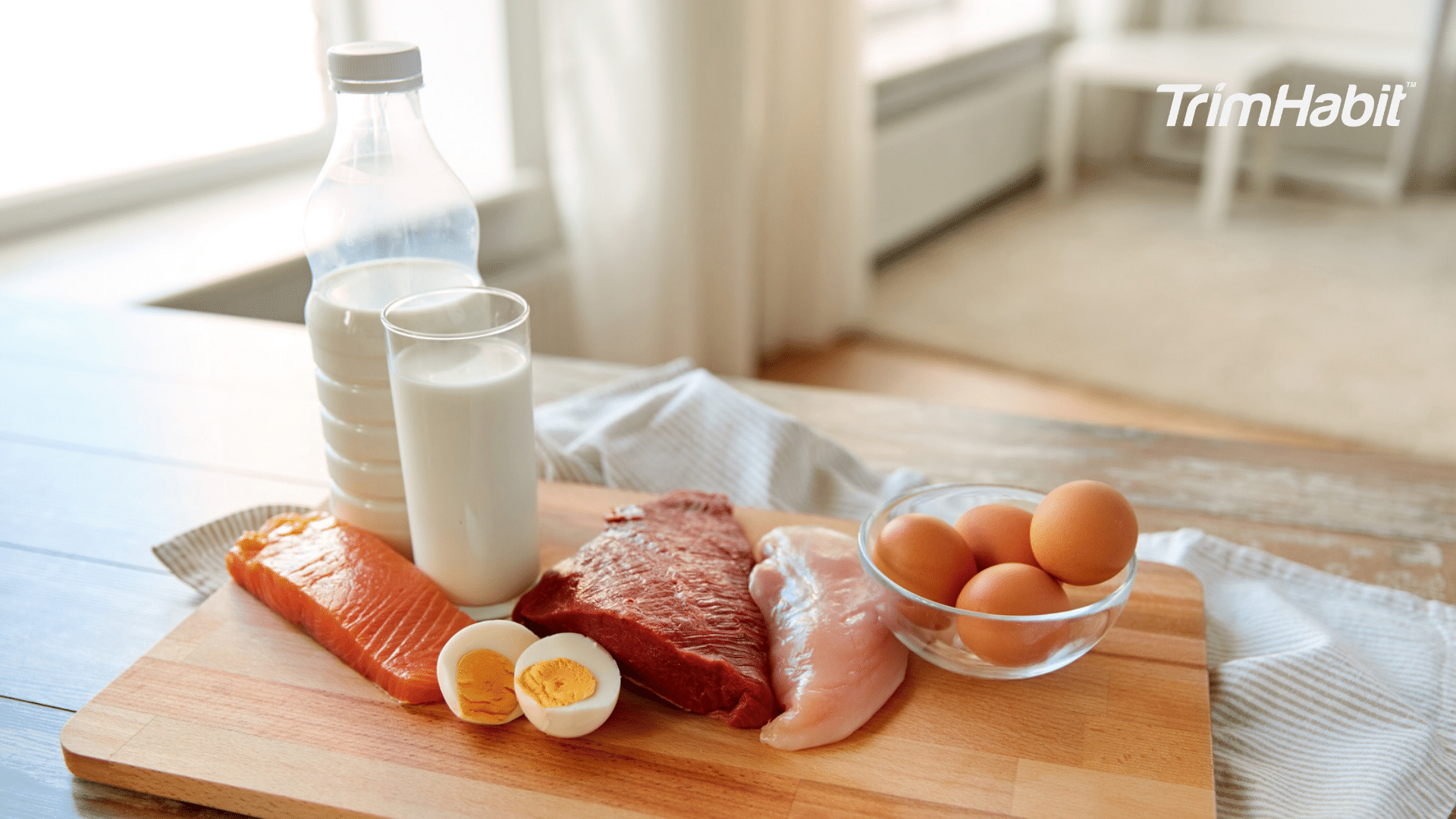
Protein plays an important role in maintaining muscle, supporting recovery, and keeping your body functioning properly while you lose weight. When you take semaglutide, getting enough protein becomes particularly important because reduced appetite and smaller portions can make it harder to meet your daily nutritional needs.
So, how much protein should you eat each day on semaglutide? Your ideal intake depends on factors such as your body weight, age, activity level, muscle mass, and overall health. Although the standard protein recommendation for adults provides a starting point, you may benefit from a higher intake during active weight loss to help preserve lean muscle.
Getting enough protein does not mean eating large portions of meat or relying on protein shakes throughout the day. It involves choosing foods that provide sufficient protein in portions you can comfortably manage, especially if semaglutide affects your appetite or digestion.
This guide explains how to estimate your daily protein requirements, which foods can help you meet them, and how to distribute protein throughout the day to support muscle maintenance during weight loss.
Why Protein Matters When Taking Semaglutide
Semaglutide mimics glucagon-like peptide-1 (GLP-1), a hormone involved in appetite regulation and blood sugar control. It acts on areas of the brain that influence hunger and fullness, helping you feel satisfied with less food. It also slows gastric emptying, which can contribute to prolonged fullness.
These effects can make it easier to reduce your calorie intake. However, they can also make it difficult to consume enough nutrients. You might feel full after a small meal, lose interest in certain foods, or find that your usual portions are suddenly too large.
Protein deserves particular attention because it supports several important functions during weight loss.
1. It Helps Preserve Muscle Mass
When you lose weight, your body sheds both fat mass and some fat-free mass. Fat-free mass includes muscle, bones, organs, and body water, so a reduction does not necessarily mean you have lost the same amount of muscle tissue.
However, muscle loss is an important consideration during weight reduction.
When you consume fewer calories than your body uses, it draws on stored energy. Although much of the weight lost may come from body fat, some lean tissue can also be lost during this process.
Protein provides amino acids that your body uses to maintain and repair muscle tissue. Getting enough protein while eating fewer calories can help reduce muscle loss, particularly when combined with resistance exercise.
Research involving semaglutide has shown reductions in both fat mass and lean body mass during substantial weight loss1. This does not mean semaglutide causes muscle loss in everyone, but it highlights why maintaining adequate protein intake is important.
2. It Supports Strength and Physical Function
Muscle is essential for more than appearance. It helps you walk, climb stairs, lift objects, maintain balance, and perform everyday activities.
Losing too much muscle can affect your strength and physical function. This is particularly relevant as you get older because muscle mass and strength naturally tend to decline with age.
Adequate protein supplies the building blocks your body needs to maintain muscle tissue. When paired with regular strength training, it can help you maintain physical strength as your weight decreases.
3. It Supports Recovery and Other Body Functions
Your body uses protein to produce enzymes, hormones, antibodies, and other substances needed for normal functioning. It also plays a role in tissue repair and maintaining healthy skin, hair, and nails.
If semaglutide significantly reduces your food intake, you may consume less protein without realizing it. Making protein a priority helps you get more nutritional value from the smaller meals you eat.
How Much Protein Should You Eat Each Day On Semaglutide?
There is no single protein target that applies to everyone taking semaglutide. Your requirements depend on your body size, age, activity level, health conditions, and weight-loss circumstances.
A commonly suggested range during active weight loss is approximately 1.2 to 1.6 grams of protein per kilogram of body weight daily. This is higher than the standard recommended dietary allowance (RDA) of 0.8 grams per kilogram for generally healthy adults2,3.
For example, here is how that range translates into daily protein amounts:
| Body weight | Estimated daily protein |
| 50 kg (110 lb) | 60–80 g |
| 55 kg (121 lb) | 66–88 g |
| 60 kg (132 lb) | 72–96 g |
| 65 kg (143 lb) | 78–104 g |
| 70 kg (154 lb) | 84–112 g |
| 75 kg (165 lb) | 90–120 g |
| 80 kg (176 lb) | 96–128 g |
These figures are general estimates rather than individual prescriptions. If you have obesity, calculating protein needs using your current body weight may overestimate the amount you need. A healthcare professional or registered dietitian may instead use adjusted body weight, reference weight, or lean body mass.
Is 0.8 Grams of Protein per Kilogram Enough?
The standard recommendation of 0.8 grams per kilogram is designed to meet the basic protein requirements of most healthy adults. However, it is not necessarily the amount that best supports muscle preservation during an extended period of calorie restriction.
For example, if you weigh 70 kg, the standard recommendation provides approximately 56 grams of protein daily. Using the higher range of 1.2 to 1.6 grams per kilogram gives you an estimated 84 to 112 grams.
The difference matters when your calorie intake is reduced and you want to maintain as much muscle as possible.
However, a higher intake is not automatically better for everyone. Your protein target should account for your health, body composition, and nutritional needs.
How To Calculate Your Daily Protein Needs
You can estimate your protein requirements by multiplying your weight in kilograms by your chosen protein intake per kilogram.
If your weight is in pounds, divide it by 2.2 to convert it into kilograms.
For example, if you weigh 154 pounds:
154 ÷ 2.2 = 70 kg
Using the suggested range:
- 70 × 1.2 = 84 grams
- 70 × 1.6 = 112 grams
This gives you an estimated daily range of 84 to 112 grams.
Keep in mind that this calculation is not appropriate for everyone. If you have obesity, kidney disease, or another condition affecting protein metabolism, your healthcare professional may recommend a different calculation.
Your protein requirements may also change as you lose weight. Rather than reducing your intake every time the number on the scale changes, have your target reassessed based on your changing body composition, activity level, and health.
Best Protein Foods To Eat While Taking Semaglutide
Choosing a variety of protein sources can make it easier to meet your daily requirements without eating the same foods repeatedly.
Since semaglutide may make large meals uncomfortable, prioritize foods that provide a good amount of protein in manageable portions.
1. Eggs
One large egg provides approximately 6 grams of protein. Eggs are also considered a complete protein because they contain all nine essential amino acids your body cannot produce on its own.
You can prepare them boiled, scrambled, or as an omelet with vegetables. Two eggs provide around 12 grams of protein, making them a convenient addition to breakfast or a light meal.
2. Chicken and Turkey
Chicken breast and turkey are lean protein sources that provide substantial amounts of protein without excessive fat.
A 100-gram serving of cooked, skinless chicken breast contains approximately 30 to 31 grams of protein. Turkey breast provides a similar amount.
You can add cooked chicken or turkey to soups, salads, sandwiches, rice bowls, and wraps. Grilled, baked, or boiled preparations may be easier to tolerate if greasy foods worsen your nausea.
3. Fish and Seafood
Fish provides protein, and certain varieties also contain omega-3 fatty acids.
Approximate amounts include:
- Salmon, 100 grams cooked: 22 to 25 grams
- Tuna, 100 grams: 25 to 29 grams
- Cod, 100 grams cooked: 20 to 23 grams
- Shrimp, 100 grams cooked: 20 to 24 grams
Salmon provides protein alongside healthy fats, while white fish offers a leaner alternative. Choose the preparation that feels most comfortable for your digestion.
4. Greek Yogurt and Cottage Cheese
Greek yogurt is a convenient protein source when you do not feel like preparing a full meal. A 170-gram serving of plain Greek yogurt typically provides around 15 to 18 grams of protein, depending on the brand.
Cottage cheese is another option. A half-cup serving generally contains approximately 12 to 14 grams.
Both can be eaten with fruit, oats, or other ingredients. They also provide calcium, which supports bone health.
5. Tofu, Tempeh, and Legumes
Plant-based foods can contribute significantly to your daily protein intake.
Tofu typically provides 10 to 15 grams of protein per 100 grams, while tempeh provides approximately 18 to 20 grams.
Beans, lentils, and chickpeas also provide protein, along with fiber and minerals. One cup of cooked lentils contains approximately 18 grams of protein.
However, legumes can cause gas or bloating, particularly if your digestion is already sensitive. Start with smaller portions and increase them gradually according to your tolerance.
6. Milk and Protein-Enriched Dairy Products
A cup of regular milk provides approximately 8 grams of protein. Some filtered milk and high-protein dairy drinks provide more.
These can be useful when you struggle to eat enough solid food. If regular milk causes digestive discomfort, lactose-free dairy milk can provide a similar amount of protein.
Check product labels because plant-based drinks vary considerably in their protein content.
7. Protein Powder
Protein powder can help fill nutritional gaps when your appetite makes it difficult to meet your daily target.
Whey protein products commonly provide around 20 to 25 grams per serving. Soy, pea, and blended plant-based powders are alternatives if you avoid dairy.
You can mix protein powder with water or milk or add it to oatmeal and smoothies. However, it should supplement regular meals rather than replace most of your food intake.
How To Spread Protein Throughout The Day
Once you have an estimated daily target, the next challenge is reaching it without making your meals too large.
Instead of consuming most of your protein in one sitting, distribute it across breakfast, lunch, dinner, and snacks.
For example, if your target is 90 grams, you could divide it this way:
| Meal | Food | Protein |
| Breakfast | 2 eggs and Greek yogurt | 25 g |
| Lunch | 100 g cooked chicken breast | 31 g |
| Snack | Cottage cheese | 12 g |
| Dinner | 100 g cooked salmon | 23 g |
| Total | 91 g |
The amounts are approximate, but this shows how several manageable portions can add up.
Include Protein at Breakfast
If your appetite is low in the morning, try a boiled egg, Greek yogurt, or a glass of milk instead of forcing yourself to eat a large breakfast.
Starting with a protein-rich option can help you make progress toward your daily target early in the day.
Include a Protein Source at Lunch and Dinner
Add chicken, fish, eggs, lean meat, tofu, or legumes to your main meals. Pair these foods with vegetables and carbohydrates to maintain a balanced diet.
If you tend to feel full quickly, eating the protein portion first can help ensure you consume it before fullness becomes uncomfortable.
Use Snacks to Fill Nutritional Gaps
Snacks can contribute more protein than you might expect. Consider Greek yogurt, cottage cheese, boiled eggs, milk, or edamame between meals.
You do not have to eat snacks on a fixed schedule. Use them when they help you reach your daily requirements.
Can Protein Shakes Help You Get Enough Protein?
Yes. Protein shakes can be useful if reduced appetite makes it difficult to get enough protein from regular meals.
A typical shake provides approximately 20 to 30 grams, depending on the product. Drinking a smaller serving may be more manageable than eating another full meal.
When choosing one, check the protein content, added sugar, and ingredients. Whey concentrate contains some lactose, while whey isolate generally contains less. Soy and pea protein are alternatives if you avoid dairy.
If you experience nausea, avoid drinking a large shake quickly. Try a smaller serving and sip it gradually.
Protein shakes are convenient, but they do not provide all the nutrients found in balanced meals. Continue including whole foods in your diet whenever possible.
What If You Feel Too Full To Eat Enough Protein?
Reduced appetite is one of the main reasons people struggle to meet their protein needs while taking semaglutide.
If regular portions feel too large, a few adjustments may help:
- Choose protein-dense foods. Chicken, fish, eggs, and Greek yogurt provide substantial protein in relatively small portions.
- Eat smaller meals. Divide your food into several manageable eating occasions instead of forcing yourself to finish large portions.
- Choose milder foods when nauseated. Boiled eggs, plain yogurt, soft tofu, and baked fish may be easier to tolerate than heavily seasoned or fried foods.
- Eat slowly. Give yourself time to recognize fullness and avoid eating past the point of comfort.
Avoid focusing on protein at the expense of other nutrients. Your body also needs carbohydrates for energy, dietary fats for essential fatty acids and nutrient absorption, and fiber for digestive health.
If persistent nausea, vomiting, or poor appetite prevents you from eating and drinking enough, contact your healthcare professional. Your symptoms and treatment may need to be reviewed.
Does Eating More Protein Help You Lose Weight Faster?
Protein can support weight management, but eating more does not automatically produce faster weight loss.
Protein has a higher thermic effect than carbohydrates and fats, meaning your body uses more energy to digest and process it. It also contributes to fullness, which may help you feel satisfied after meals.
However, semaglutide supports weight loss primarily through its effects on appetite and energy intake. Protein does not replace these medication effects, nor does it compensate for an overall lack of nutritional balance.
Eating substantially more protein than your body needs will not necessarily improve your results. Focus on meeting an appropriate daily amount rather than trying to consume as much as possible.
Why Strength Training Matters Alongside Protein
Even if you meet your daily protein target, your muscles need regular stimulation to maintain their strength and function.
Resistance training provides this stimulus. Activities such as lifting weights, using resistance bands, and performing body-weight exercises challenge your muscles and encourage them to adapt.
Protein supplies the amino acids needed for muscle repair and maintenance, while resistance exercise helps stimulate muscle protein synthesis.
You can start with manageable activities such as squats, wall push-ups, light dumbbell exercises, or resistance band workouts. Gradually increase the difficulty as your strength improves.
Walking is also beneficial for cardiovascular health, but it does not provide the same muscle-strengthening stimulus as resistance exercise.
Combining adequate protein with regular strength training offers better support for maintaining muscle while losing weight.
Who May Need To Adjust Their Protein Intake?
Although higher protein intake can be useful during weight loss, it is not suitable for everyone.
People with kidney disease: Protein requirements depend on kidney function and treatment status. Some people with chronic kidney disease need to limit protein, while those receiving dialysis may need more. Consult your healthcare professional before increasing your intake.
Older adults: Age-related changes can contribute to declining muscle mass and strength. Adequate protein and resistance exercise are particularly important during weight loss.
People losing weight rapidly: Faster weight reduction can increase concerns about muscle loss and inadequate nutrition. If you are struggling to eat enough, your healthcare professional may need to review your calorie intake, protein consumption, and medication tolerance.
Your protein target should reflect your individual health needs rather than a number recommended for everyone taking semaglutide.
Frequently Asked Questions
Is 100 grams of protein a day enough on semaglutide?
For some people, yes. However, whether 100 grams is appropriate depends on body weight, muscle mass, activity level, and health. It may be more than necessary for someone with lower protein requirements or insufficient for someone with higher needs.
Can you eat too much protein while taking semaglutide?
Yes. Consuming more protein than your body needs does not provide unlimited benefits for muscle maintenance or weight loss. Very high protein intake may also make it harder to include other important foods in your diet. People with kidney disease may need specific restrictions.
Should you eat protein before or after exercise?
Both can contribute to muscle maintenance and recovery. Your total daily protein intake is more important than eating protein at one exact time. Having a protein-containing meal or snack around your workout can help provide amino acids for muscle repair.
Can you build muscle while taking semaglutide?
Yes, it is possible, particularly if you are new to resistance training or returning to exercise after a break. However, building muscle may be more challenging during a calorie deficit. Adequate protein, progressive resistance training, and sufficient overall nutrition can help.
What happens if you do not eat enough protein?
Consistently inadequate protein intake during weight loss may increase the risk of losing muscle along with body fat. Significant muscle loss can affect strength, physical function, and recovery. If you regularly struggle to eat enough, speak with a registered dietitian or healthcare professional.
Are protein bars a good option on semaglutide?
Protein bars can be convenient when you need a quick snack. However, some contain substantial amounts of added sugar, fat, or sugar alcohols that may contribute to digestive discomfort. Check the nutrition label and choose a product you tolerate well.
Final Thoughts
Getting enough protein while taking semaglutide is an important part of maintaining good nutrition during weight loss. Reduced appetite may make it harder to meet your needs, but choosing protein-rich foods and spreading your intake across meals can make the process more manageable.
A daily intake of approximately 1.2 to 1.6 grams per kilogram of body weight is commonly suggested during active weight reduction, although your individual requirements may differ. Your healthcare professional can help determine an appropriate target based on your body composition, activity level, and medical history.
Combine adequate protein with regular resistance exercise and a balanced diet to support muscle maintenance as your weight decreases. The aim is not simply to lose weight, but to give your body the nutrition it needs to maintain strength and function.