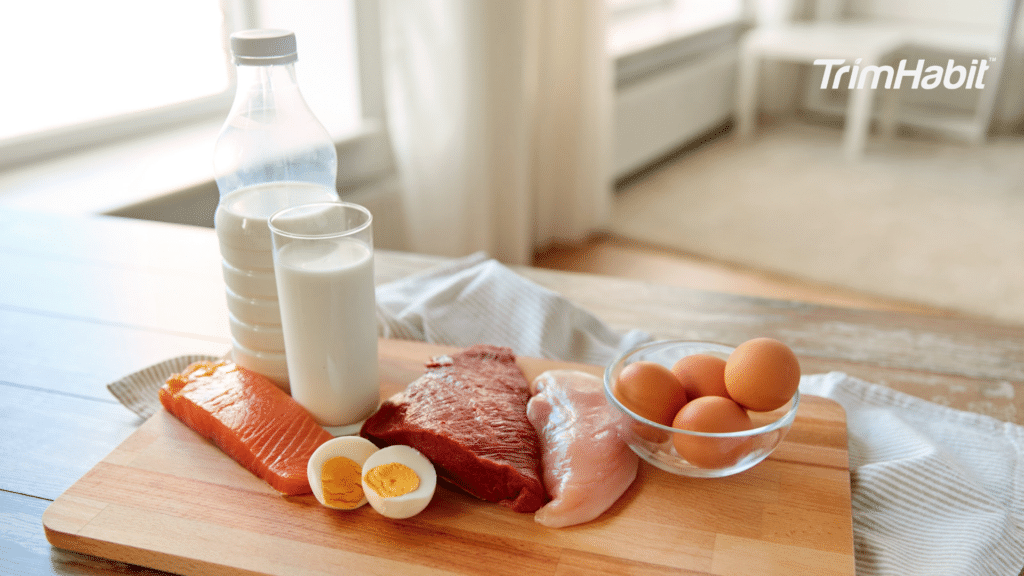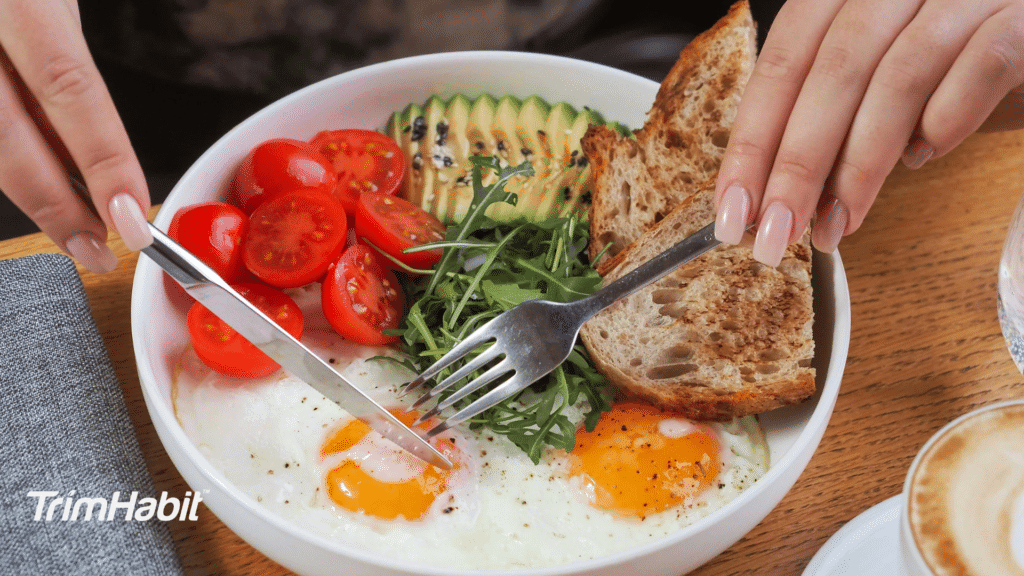
When you take semaglutide, even choosing a snack can become a little more complicated. You might feel full after a small meal, lose interest in food between meals, or find that certain foods no longer appeal to you. While eating smaller portions may contribute to weight loss, it can also make it harder to get enough protein and other essential nutrients.
Protein is particularly important during weight loss because it helps maintain muscle tissue, supports recovery after exercise, and contributes to normal body functions. If your appetite has decreased, relying on three regular meals may not always provide enough protein to meet your daily needs. Adding a few high-protein snacks can help make up the difference without requiring you to eat larger meals.
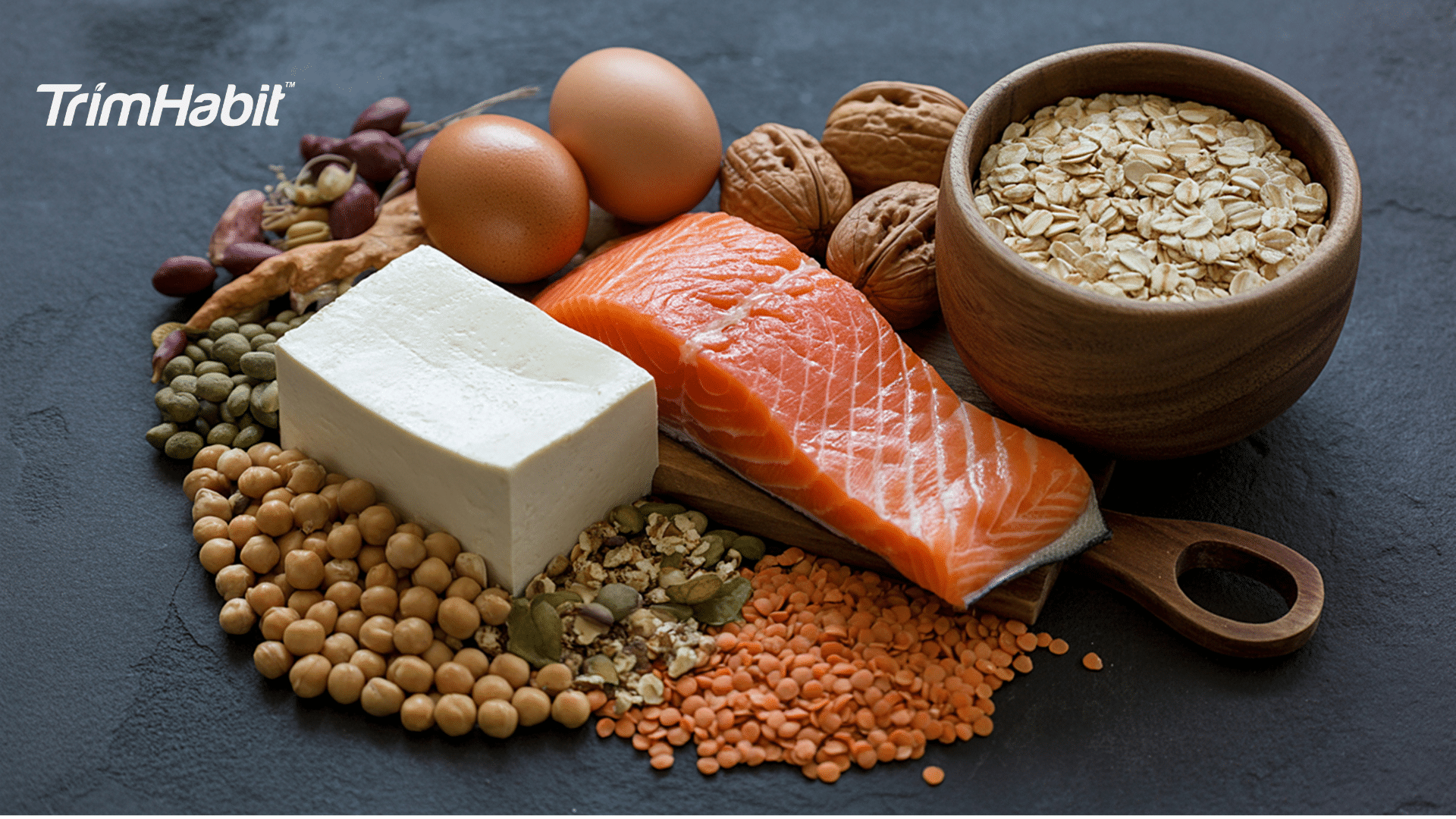
The best high-protein snacks for people taking semaglutide do not have to be expensive protein bars or specially marketed diet products. Everyday foods such as Greek yogurt, cottage cheese, eggs, tuna, and edamame can provide substantial amounts of protein in relatively small servings.
The important part is choosing foods that suit your appetite, nutritional needs, and digestive comfort. Here are some options worth adding to your grocery list, along with practical tips for eating enough protein while taking semaglutide.
Why Protein Matters While Taking Semaglutide
Semaglutide mimics glucagon-like peptide-1 (GLP-1), a hormone involved in appetite regulation and blood sugar control. It can reduce hunger, increase feelings of fullness, and slow stomach emptying. Consequently, you may feel satisfied sooner, eat smaller portions, or have less interest in food between meals.
Although a reduced calorie intake can contribute to weight loss, consistently eating too little can make it difficult to meet your nutritional requirements. Protein is one nutrient that deserves particular attention.
During weight loss, your body can lose both fat and lean tissue, including muscle. Adequate protein provides amino acids that help maintain and repair muscle tissue. This is particularly important if you are losing weight while trying to preserve your strength and physical function.
A 2025 nutritional advisory on GLP-1 treatment identifies adequate protein intake as an important part of preserving muscle during weight loss. It also emphasizes that protein intake should be combined with resistance training because eating more protein alone may not be enough to prevent muscle loss1.
This is where snacks can help. If you struggle to finish a protein-rich lunch, for example, a serving of Greek yogurt or a boiled egg later in the afternoon can contribute additional protein without requiring another full meal.
12 Best High-Protein Snacks For People Taking Semaglutide
You do not have to prepare elaborate recipes to increase your protein intake. Many convenient foods already provide useful amounts of protein and require little preparation.
The following options include dairy, eggs, seafood, legumes, and other everyday ingredients. Protein amounts are approximate and can vary by brand, serving size, and preparation.
1. Greek Yogurt
Approximate protein: 15–20 grams per 170-gram serving
Greek yogurt is a convenient choice when you want something creamy, relatively light, and rich in protein. It contains more protein than many conventional yogurts because much of the liquid whey is removed during straining.
A small container of plain Greek yogurt can provide around 15–20 grams of protein, depending on the product. It also supplies calcium, which supports bone health.
Choose plain or unsweetened varieties and add fresh berries, sliced banana, or a small amount of chopped nuts for additional nutrients and flavor. If you find plain yogurt too tart, a little honey can make it more enjoyable.
Another advantage is that you can eat it gradually. Start with a few spoonfuls if your appetite is limited rather than feeling obligated to finish a large bowl.
2. Cottage Cheese
Approximate protein: 12–14 grams per ½ cup
Cottage cheese provides a substantial amount of protein in a relatively small serving. It contains casein, a milk protein that is digested more slowly than whey.
Its mild flavor also makes it easy to combine with sweet or savory ingredients. Try it with cucumber, cherry tomatoes, or whole-grain crackers for a savory snack. If you prefer something sweeter, pair it with pineapple or fresh berries.
Check the nutrition label because protein and sodium content can differ between brands. If you are watching your sodium intake, compare products before purchasing.
Cottage cheese is particularly useful when you want something more substantial than a drink but do not feel like preparing a full meal.
3. Hard-Boiled Eggs
Approximate protein: 6 grams per large egg
Hard-boiled eggs are inexpensive, easy to prepare, and convenient to store. One large egg provides approximately 6 grams of complete protein, meaning it contains all nine essential amino acids your body needs.
Eggs also provide vitamin B12, choline, and other nutrients involved in normal body functions.
You can prepare several eggs ahead of time and refrigerate them for convenient snacks. Eat one or two depending on your appetite and protein requirements. Pairing an egg with whole-grain toast or a few vegetable slices adds carbohydrates and fiber.
If eggs feel too heavy on days when you experience nausea, try a smaller portion or choose another protein source until your appetite improves.
4. Tuna
Approximate protein: 20–25 grams per 100-gram serving
Tuna is a convenient source of lean protein that requires very little preparation. A small serving can provide approximately 20–25 grams of protein, making it useful when you want to increase your intake without eating a large amount of food.
Mix tuna with a little plain Greek yogurt, lemon juice, and black pepper for a simple spread. Serve it with whole-grain crackers or cucumber slices.
If you purchase canned tuna, compare products packed in water and oil. Water-packed tuna generally contains less fat.
Pay attention to the type of tuna you choose because mercury levels vary between species. Canned light tuna is generally lower in mercury than albacore or white tuna. It is also better to include different seafood options in your diet rather than relying on tuna every day.
5. Edamame
Approximate protein: 9 grams per ½ cup of shelled edamame
Edamame, or young soybeans, provides plant-based protein along with fiber, folate, and iron.
A half-cup serving of shelled edamame provides around 9 grams of protein. You can purchase frozen edamame, steam it, and add a little salt or seasoning.
Edamame is a useful alternative when you want something savory instead of another dairy-based snack. However, its fiber content may contribute to gas or bloating, particularly if your digestion is already sensitive.
If you are experiencing abdominal discomfort or constipation, start with a smaller serving and see how your body responds.
6. String Cheese
Approximate protein: 6–8 grams per stick
String cheese is useful when you want something that requires no cooking or preparation. One mozzarella stick typically provides around 6–8 grams of protein, depending on its size and brand.
It also contains calcium and can be paired with an apple, whole-grain crackers, or fresh vegetables.
Its individual packaging makes portion sizes easy to manage. You can take one stick when you want a quick snack without opening a large container of food.
If rich or fatty foods tend to worsen your nausea, consider lower-fat varieties and smaller portions. Your tolerance may vary depending on the day and your digestive symptoms.
7. Protein Smoothies
Approximate protein: 15–30 grams per serving
A protein smoothie can be easier to consume than solid food when your appetite is particularly low. It also gives you the flexibility to combine protein with fruits and other nutrient-rich ingredients.
For a simple smoothie, blend milk or unsweetened soy milk with plain Greek yogurt and a small amount of banana or berries. The amount of protein will depend on the ingredients and quantities you use.
You can also add protein powder if you have difficulty meeting your daily requirements through food. However, supplements are not essential if your regular meals and snacks already provide enough protein.
Pay attention to serving size. Drinking a large smoothie quickly may leave you feeling uncomfortable, especially if you experience prolonged fullness. Start with a smaller glass and drink it slowly.
8. Roasted Chickpeas
Approximate protein: 7–8 grams per ½ cup
Roasted chickpeas offer a crunchy alternative to conventional snack foods. They contain plant protein, fiber, iron, and other nutrients.
You can prepare them at home by draining and drying canned chickpeas, adding a small amount of olive oil and seasoning, and roasting them until crisp.
A half-cup serving provides approximately 7–8 grams of protein. While this is less than what you would get from tuna or Greek yogurt, chickpeas contribute both protein and fiber.
One consideration is their fiber content. Eating a large serving may increase gas or bloating, particularly if your digestion is already sensitive. Start with a smaller portion instead of eating a large handful at once.
9. Peanut Butter on Whole-Grain Toast
Approximate protein: 8–10 grams per serving
Peanut butter provides plant-based protein, unsaturated fats, and some fiber. Although it is more calorie-dense than many other snack options, a small serving can contribute useful nutrients.
Spread one to two tablespoons of peanut butter over a slice of whole-grain toast. Add banana slices if you want a little natural sweetness.
This combination provides carbohydrates alongside protein and fat, making it a convenient snack before or after physical activity.
However, peanut butter is relatively high in fat. If fatty foods tend to worsen your nausea or make you feel uncomfortably full, use a thinner spread or choose another snack.
10. Salmon on Whole-Grain Crackers
Approximate protein: 10–15 grams per 50-gram serving of salmon
Salmon provides protein along with omega-3 fatty acids, vitamin B12, and vitamin D.
You can serve a small portion of cooked salmon over whole-grain crackers with cucumber or a little cream cheese. This creates a convenient snack without requiring much additional preparation.
Smoked salmon is another option, although it can contain considerable sodium. It also requires careful refrigeration. Pregnant people and those at higher risk of foodborne illness should follow medical advice regarding refrigerated smoked seafood.
If you prefer a lower-sodium option, freshly cooked salmon is a good alternative.
11. Roasted Soybeans
Approximate protein: 12–15 grams per ¼ cup, depending on the product
Roasted soybeans are a compact snack that provides more protein than many conventional crunchy snacks. They also contain fiber, iron, and unsaturated fats.
Their crunchy texture makes them a useful option if you want something savory instead of another yogurt or smoothie.
Check the ingredient list when purchasing packaged roasted soybeans. Some products contain considerable added salt, oil, or flavoring ingredients.
Because they are relatively dense and contain fiber, a small handful may be enough. Eating a large portion quickly may cause discomfort if you are sensitive to high-fiber foods.
12. Milk or High-Protein Milk
Approximate protein: 8 grams per cup of regular cow’s milk
Milk is one of the simplest ways to add protein without preparing a separate snack. A cup of regular cow’s milk provides approximately 8 grams of protein, along with calcium and vitamin B12.
If you want more protein in a similar volume, some high-protein milk products contain additional milk protein. Their nutritional content varies, so check the label rather than relying on the product name.
Unsweetened soy milk is another option, typically providing around 7–8 grams of protein per cup. Other plant-based milks, such as almond and oat milk, generally contain considerably less unless additional protein has been added.
Milk can be consumed on its own or blended with fruit for a quick snack. If regular milk causes bloating or digestive discomfort, lactose-free milk may be easier to tolerate.
How To Choose Snacks When Your Appetite Is Low
Not every high-protein snack will feel equally comfortable while taking semaglutide. A food that works well for someone else may leave you feeling overly full, bloated, or nauseated.
Rather than choosing snacks based only on their protein content, consider how much you can comfortably eat and how your digestion responds.
Pay attention to portion sizes. When your appetite is reduced, a snack with 15 grams of protein in a small serving may be more practical than one that requires you to eat a large amount of food. Greek yogurt, cottage cheese, eggs, and tuna are useful examples.
Consider fat content and preparation. Fat is an important part of a balanced diet, but large amounts of dietary fat can make some people feel more uncomfortable when stomach emptying is delayed. If greasy or rich foods worsen your nausea, try simpler preparations. For example, choose plain Greek yogurt instead of a rich dessert-style yogurt or freshly cooked fish instead of fried fish.
You do not have to eliminate dietary fat. Find portions and preparations that you can tolerate.
Increase fiber gradually. Some high-protein snacks, including chickpeas, edamame, nuts, and seeds, also provide fiber. Fiber supports normal bowel function, but increasing your intake too quickly can contribute to bloating and gas. If you experience constipation, introduce higher-fiber snacks gradually and drink enough fluids.
Choose snacks with additional nutrients. Protein is important, but it should not be the only nutrient you consider. Yogurt, eggs, edamame, and salmon also supply vitamins and minerals. Eating different protein sources during the week can help you get a wider range of nutrients.
When Is the Best Time To Eat High-Protein Snacks?
There is no specific time when you must eat protein snacks while taking semaglutide. Their usefulness depends more on your appetite, meal pattern, and ability to meet your daily protein requirements.
However, certain situations may make them particularly helpful.
Between smaller meals: If you eat less at breakfast or lunch because you feel full quickly, a protein-rich snack between meals can help compensate for the smaller portions. For example, you might have Greek yogurt in the afternoon if your lunch contained very little protein.
After physical activity: If you participate in strength training, walking, or other forms of exercise, a protein-containing snack can contribute to your recovery and daily intake. You do not have to consume it immediately after exercising. Getting enough protein across the day is more important than following a strict post-workout window.
When solid meals feel unappealing: On days when nausea or reduced appetite makes regular meals difficult, a small smoothie or serving of yogurt may be easier to tolerate than a full plate of food. Choose something you can comfortably consume rather than forcing yourself to finish a large portion.
When there are long gaps between meals: Reduced hunger can sometimes make you go several hours without eating. A planned snack can help prevent your intake from becoming consistently inadequate.
If you are comfortably meeting your nutritional needs through meals, additional snacks may not be necessary.
How Much Protein Do You Need While Taking Semaglutide?
Your daily protein requirement depends on factors such as body size, age, activity level, health status, and whether you are actively losing weight.
For generally healthy adults, the recommended dietary allowance is approximately 0.8 grams of protein per kilogram of body weight per day. This is a basic reference for preventing inadequate intake, not necessarily the amount that will suit everyone undergoing weight loss2.
Higher amounts, such as 1.2–1.6 grams per kilogram per day, have been proposed for people actively losing weight3. However, these figures should not automatically be applied to everyone taking semaglutide. For people with obesity, calculating protein requirements using actual body weight may overestimate individual needs.
A healthcare professional or registered dietitian can help determine an appropriate daily amount based on your circumstances.
You also do not have to obtain all your protein from snacks. Breakfast, lunch, and dinner should contribute most of your daily intake when possible. Snacks simply help fill the gaps.
For example, if your daily target is 90 grams, you might obtain 20 grams from breakfast, 25 grams from lunch, 30 grams from dinner, and another 15 grams from a snack. The distribution can vary according to your appetite and meal preferences.
If you have kidney disease or another condition that affects protein requirements, seek individualized advice before increasing your intake.
Can High-Protein Snacks Help Prevent Muscle Loss?
They can contribute, but they are not enough on their own.
When you lose weight, some reduction in lean body mass can occur alongside fat loss. This can happen with different forms of calorie restriction, not just semaglutide treatment.
Eating enough protein provides the amino acids your body uses to maintain and repair muscle tissue. However, your muscles also need physical stimulation to maintain their strength and function.
Resistance training provides that stimulus. Activities such as lifting weights, using resistance bands, or performing bodyweight exercises can help preserve muscle during weight loss.
The 2025 GLP-1 nutritional advisory emphasizes combining adequate protein intake with structured strength training rather than relying on protein alone1.
You do not necessarily need an intense exercise routine. Your activity should match your fitness level, physical abilities, and medical circumstances. If you are new to resistance training, a qualified fitness professional can help you begin safely.
What If Protein Snacks Make You Feel Nauseated Or Bloated?
Digestive symptoms can make eating difficult while taking semaglutide. Nausea, vomiting, constipation, diarrhea, and abdominal discomfort are among the reported gastrointestinal side effects. Semaglutide also delays gastric emptying, which can contribute to prolonged feelings of fullness4.
If certain snacks make these symptoms worse, consider adjusting your choices and portions.
- For nausea: Try smaller portions of mild foods, such as plain yogurt, eggs, or a simple protein smoothie. Avoid forcing yourself to eat rich or heavily seasoned foods when they worsen your symptoms.
- For bloating: Reduce portions of high-fiber foods such as chickpeas and edamame temporarily. Reintroduce them gradually as tolerated.
- For constipation: Include fluids and fiber-rich foods as tolerated. Yogurt, eggs, and tuna provide protein, while fruits, vegetables, oats, and legumes contribute fiber.
- For diarrhea: Choose foods that are easier for you to tolerate and maintain fluid intake. Temporarily reducing foods that worsen your symptoms may help.
If you cannot keep food or fluids down, experience persistent vomiting, or develop severe or persistent abdominal pain, contact your healthcare professional promptly. Do not dismiss significant or worsening symptoms as simply part of adjusting to the medication.
Frequently Asked Questions
Are protein shakes good for people taking semaglutide?
Yes. Protein shakes can be useful when reduced appetite makes it difficult to get enough protein from regular meals. Choose products with a reasonable protein content and limited added sugar. A shake can supplement your diet, but it should not replace every meal.
Can you eat protein bars while taking semaglutide?
Yes, provided you tolerate them. Protein bars are convenient, but their nutritional content varies. Some contain large amounts of sugar alcohols, added fiber, or fat, which may contribute to bloating, gas, or digestive discomfort. Check the ingredient list and choose a product that agrees with your stomach.
Should you eat protein snacks every day?
Not necessarily. You can include them when your meals do not provide enough protein or when smaller meals leave you needing additional nutrition. If you already meet your daily requirements through regular meals, you may not need extra snacks.
Is it better to eat protein before carbohydrates?
Eating protein-rich foods first can be helpful when your appetite is limited. It increases the likelihood that you will consume protein before feeling too full to finish your meal. However, you should still include carbohydrates in your diet because they provide energy and other important nutrients.
Make Protein Easier To Fit Into Your Day
Eating enough protein while taking semaglutide does not have to involve complicated recipes, expensive supplements, or oversized meals. Simple foods such as Greek yogurt, eggs, cottage cheese, tuna, and edamame can provide useful amounts of protein in manageable portions.
Pay attention to what you can comfortably eat, especially when your appetite is low or digestive symptoms are present. Rotate different protein sources, prepare a few snacks ahead of time, and spread your protein intake across meals and snacks rather than trying to get everything at once.
Protein is only one part of meeting your nutritional needs during weight loss. A varied diet, adequate hydration, and regular strength training also contribute to maintaining muscle and supporting your health while taking semaglutide.