If semaglutide has made you less hungry, getting enough protein may be more difficult than it used to be.
How much protein do you really need on semaglutide depends on factors such as your body size, activity level, and health needs. Knowing your protein needs can help you make more balanced choices, even when you are eating less.
You do not need to rely on large portions to get enough protein. Choosing protein-rich foods that fit comfortably into smaller meals can make it easier to meet your needs while losing weight.
Why Is Protein Important On Semaglutide?
Eating less may be one of the reasons semaglutide helps with weight loss, but it can also make it surprisingly easy to fall short on protein. When your appetite is smaller, a meal that once felt normal may no longer provide enough food to meet your nutritional needs.
Semaglutide is a glucagon-like peptide-1 receptor agonist. For weight management, it is prescribed with a reduced-calorie eating pattern and increased physical activity. It can reduce hunger, improve eating control, and help you feel satisfied with less food.
Protein deserves particular attention during this time because it helps support lean muscle tissue during weight loss. A joint clinical advisory on GLP-1 medications reported substantial reductions in energy intake and emphasized choosing nutrient-dense foods that provide adequate protein and other essential nutrients1.
Protein Helps Preserve Lean Tissue
Semaglutide can make it easier to eat less, but weight loss does not come entirely from body fat. Some lean tissue may also be lost during weight reduction, making it important to preserve muscle, strength, and physical function.
In a body composition analysis from the STEP 1 semaglutide trial, most of the measured weight loss came from fat mass, while lean body mass also decreased2. Because lean mass includes muscle, water, organs, and other nonfat tissue, this does not mean all of the lean mass lost was muscle. Still, it shows why preserving lean tissue matters during treatment.
Protein provides the amino acids your body needs to maintain and repair muscle tissue, making adequate protein intake an important part of weight loss on semaglutide.
Protein Supports Strength and Recovery
Muscle helps you walk, lift, climb stairs, maintain balance, exercise, and remain independent as you age. Protein supports strength, muscle repair, and recovery while helping maintain muscle mass and support energy levels during recovery. Protein also contributes to enzymes, hormones, immune proteins, skin, hair, and structures throughout the body.
If calorie and protein intake become too low, you may notice weakness, reduced exercise performance, slower recovery, or difficulty completing normal activities. These symptoms have many possible causes, so persistent changes should be discussed with your healthcare provider.
Protein Makes Limited Appetite Count
Semaglutide may make you feel full before finishing a meal by reducing appetite and overall food intake. Eating the protein portion first can help you use your reduced appetite strategically and promote satiety, a practical approach included in the joint GLP-1 nutrition advisory.
How Much Protein Do You Really Need On Semaglutide?
There is no FDA-required protein intake for semaglutide, and the prescribing information does not specify a fixed amount. Current targets are informed by broader evidence on nutrition, weight loss, lean mass preservation, aging, and exercise.
Practical Target: 80 to 120 Grams Daily
A daily target range of 80 to 120 grams is proposed in the 2025 joint advisory on nutritional support during GLP-1 therapy3. It is easier to follow than a detailed body-composition formula and may suit many adults.
The lower end may be appropriate for a smaller person with less lean mass and limited activity. The upper end may better suit someone with more lean mass, regular resistance training, older age, a higher calorie allowance, or regular exercise tied to specific protein goals. These are general considerations rather than strict rules, and adjusting protein intake based on body size, activity, and goals can make a huge difference in results.
Personalized Target: 1.5 Grams per Kilogram of Lean Mass
If you have a reliable assessment of your lean body mass, multiply your lean mass in kilograms by 1.5 to estimate how many grams of protein you may need each day.
Formula: Lean body mass in pounds ÷ 2.2 × 1.5 = grams of protein per day
| Estimated Lean Body Mass | Approximate Daily Protein |
|---|---|
| 100 lb | 68 g |
| 120 lb | 82 g |
| 140 lb | 95 g |
| 160 lb | 109 g |
| 180 lb | 123 g |
This can be more realistic than multiplying a high current body weight by a large protein factor. Using actual weight without adjustment may create unnecessarily high targets for some people with obesity. That is different from using per-kilogram-of-body-weight or daily targets, which can overshoot needs for some people. The advisory notes that lean mass may be a better basis, although no single calculation method is ideal for everyone.
What About 1.2 to 1.6 Grams per Kilogram?
You may see 1.2 to 1.6 grams per kilogram per day recommended during active weight loss. This range has been proposed to support lean-mass retention, particularly for active people. However, the result depends on which type of weight you use in the calculation, such as actual weight, ideal weight, adjusted weight, or lean weight.
For a person with a high current body weight, multiplying that weight by 1.6 can produce a target that is difficult to meet and may displace other nutrients. A registered dietitian can choose the appropriate method and revise the goal as weight, appetite, and activity change.
Is 0.8 Grams per Kilogram Enough?
The adult Recommended Dietary Allowance is 0.8 grams per kilogram daily. For a 150-pound adult, that is about 55 grams. This recommendation is intended to meet the basic protein needs of healthy adults, not to maximize muscle retention during substantial calorie restriction.
It can serve as a minimum reference, but many people actively losing weight may benefit from a higher individualized goal. More is not automatically better, and extremely high intakes are unnecessary for most adults.
What Changes Your Protein Needs?
Your semaglutide dose does not directly determine your protein requirement. These factors matter more:
Body Size and Lean Mass
Someone with more muscle and lean tissue generally needs more protein than someone with a smaller frame. This is why scale weight alone can be misleading.
Age
Adults may become less responsive to small servings of protein as they age. Older adults may benefit from a higher total intake and meaningful protein servings throughout the day. Research reviews commonly discuss approximately 25 to 30 grams of high-quality protein per meal for older people, although total intake and tolerance remain important4.
Physical Activity
Resistance training gives the body a signal to maintain muscle during weight loss. Active adults, particularly those who lift weights or perform challenging body weight exercises, may also need more protein than adults with lower activity levels.
Muscle strengthening activities that work all major muscle groups at least twice a week can support muscle maintenance. People with pain, limited mobility, or other medical concerns may need guidance from a qualified professional before starting.
Rate of Weight Loss
Faster weight loss usually reflects a larger calorie deficit and may increase the risk of losing lean tissue. Contact your prescriber if you regularly cannot eat balanced meals, your weight drops much faster than expected, or your strength and function decline.
Medical Conditions
Kidney disease can affect how much protein is appropriate. People with chronic kidney disease may need to limit protein, while those receiving dialysis may need more. Protein needs should be individualized with guidance from a healthcare professional or renal dietitian.
How Should You Divide Protein During The Day?
You do not need to eat your entire target at dinner. Spreading protein intake evenly across smaller meals and snacks is often easier when appetite is reduced.
A 90-gram day could look like this:
- Breakfast: 20 grams
- Lunch: 25 grams
- Snack: 15 grams
- Dinner: 30 grams
A 120-gram day might include three 30-gram meals and two 15-gram snacks.
These are flexible examples. Research suggests that a more balanced distribution may stimulate muscle protein synthesis more consistently than eating very little protein early and most of it at dinner. However, total daily intake, food quality, tolerance, and consistency matter more than perfect timing, and this pattern can also support hormone function and steadier energy levels5.
Best Protein Sources While Taking Semaglutide
Choose foods that provide meaningful protein without requiring a large portion. Approximate values vary by brand and preparation; USDA FoodData Central can be used to check specific items.
| Food | Typical Serving | Approximate Protein |
| Greek yogurt | ¾ to 1 cup | 15–20 g |
| Cottage cheese | 1 cup | 24–28 g |
| Chicken or turkey breast | 3 oz cooked | 22–26 g |
| Fish or shrimp | 3 oz cooked | 18–25 g |
| Eggs | 2 large | 12–13 g |
| Firm tofu | ½ cup | 10–20 g |
| Edamame | 1 cup cooked | about 17 g |
| Lentils | 1 cup cooked | about 18 g |
| Protein shake | 1 serving | 20–30 g |
Animal-Based Options
Fish, seafood, eggs, dairy, and lean poultry provide concentrated protein in small portions. Choose preparations you tolerate. Greasy or heavily fried foods may be difficult during periods of nausea.
Plant-Based Options
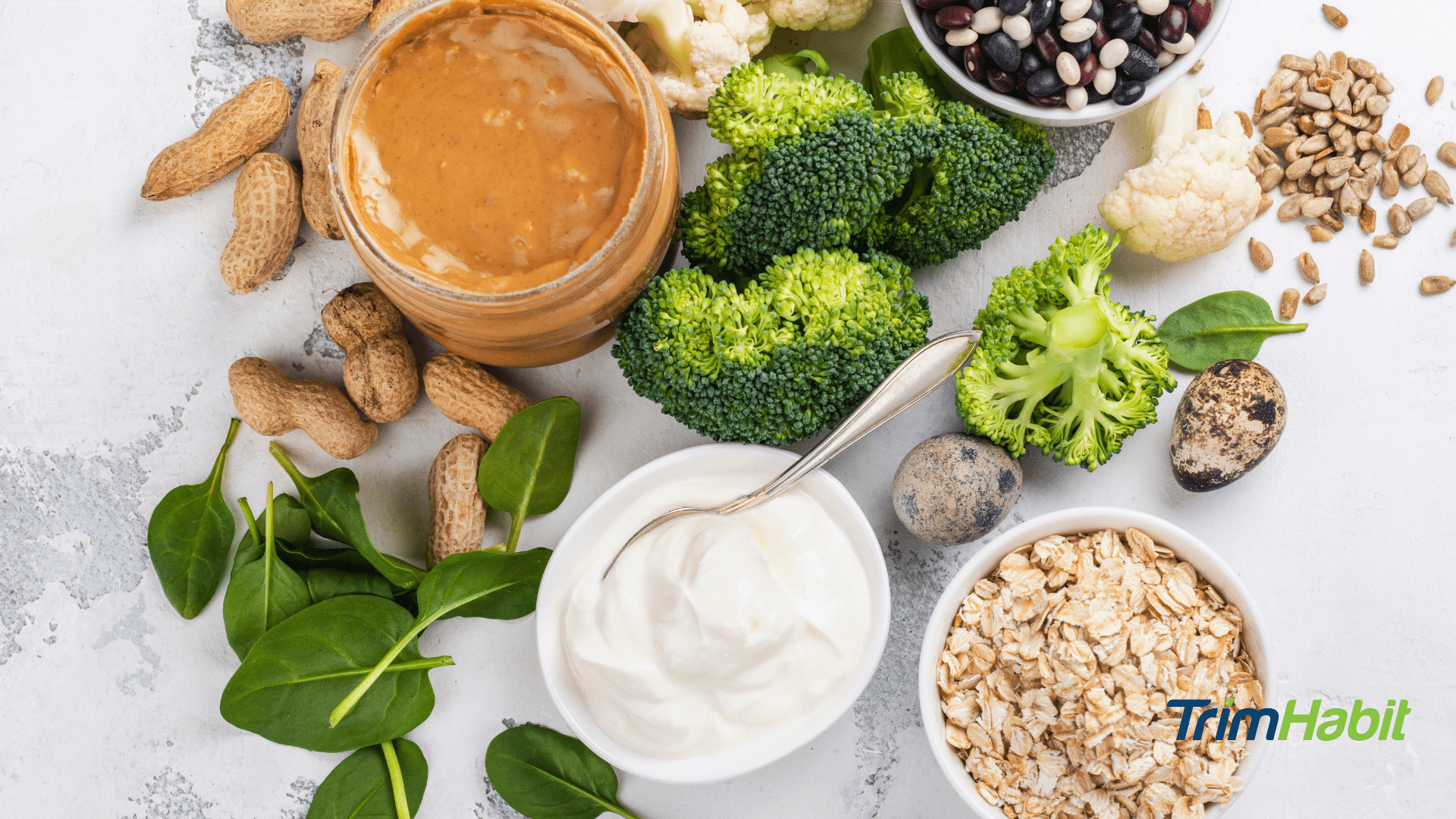
Tofu, tempeh, edamame, beans, lentils, peas, soy milk, nuts, seeds, and whole grains all contribute. Plant-based eaters do not need to combine specific proteins at every meal, but variety across the day helps provide essential amino acids.
Beans and lentils also provide fiber. Increase portions gradually if you are experiencing bloating or constipation.
Protein Powders and Shakes
Protein supplements can help when a full meal feels difficult, but they are optional. A product providing roughly 20 to 30 grams per serving can fill a genuine gap.
Check for added sugar, caffeine, excessive vitamin doses, and sugar alcohols that may worsen digestive symptoms. People with kidney disease or other dietary restrictions should consult their clinician before using concentrated protein supplements.
How Can You Meet Your Goal With A Low Appetite?
A low appetite can make meeting your protein goal challenging, especially when semaglutide causes early fullness or nausea. Focusing on smaller portions, protein-rich foods, and convenient options can help you get enough protein without forcing large meals.
Eat Protein First
Starting a meal with eggs, yogurt, tofu, fish, poultry, beans, or another protein rich food can make it easier to get enough protein before feeling full. This can be especially helpful when semaglutide has reduced appetite and meal portions are smaller.
Eat Smaller Meals More Often
Three large meals may feel impossible. Try three small meals and one or two planned snacks. A 10- to 15-gram snack can make a meaningful difference.
Choose Easy-to-Tolerate Foods
Greek yogurt, cottage cheese, chilled shakes, eggs, tuna, tofu, or blended soups may be easier when strong smells or heavy meals trigger nausea.
Keep Convenient Options Ready
Prepare individual portions of cooked chicken, boiled eggs, yogurt, cottage cheese, tuna packets, edamame, or roasted chickpeas. Low appetite often makes convenience especially important.
Add Protein Without Much Extra Volume
Mix powdered milk or an appropriate protein powder into oatmeal, yogurt, soup, or a smoothie. Add tofu to soup, eggs to rice, Greek yogurt to sauces, or beans to a small salad.
Protect Hydration and Fiber
Getting enough protein is important, but it should not come at the expense of fluids, fruits, vegetables, and other fiber rich foods. Semaglutide can cause gastrointestinal side effects such as nausea, vomiting, diarrhea, and constipation, and not getting enough fluids can make dehydration and constipation worse. The FDA label also warns about acute kidney injury associated with volume depletion and severe gastrointestinal reactions. Persistent vomiting or diarrhea, difficulty keeping fluids down, or signs of dehydration warrant a call to the prescribing healthcare professional.
Common Protein Mistakes On Semaglutide
Getting enough protein on semaglutide matters, but eating more than you need does not provide extra benefits. Avoiding a few common mistakes can make it easier to meet your protein needs while supporting muscle and getting a wider range of nutrients.
Using Current Weight Without Context
Multiplying actual body weight by a high factor can overestimate needs in some people with obesity. Lean mass, adjusted weight, or clinical judgment may produce a more realistic goal.
Relying Only on Bars and Shakes
Protein bars and shakes can be convenient, especially when appetite is low, but relying on them too heavily can limit the variety of the diet. Whole foods such as eggs, dairy, fish, poultry, beans, and soy foods can provide protein along with fiber, vitamins, minerals, healthy fats, and other beneficial plant compounds.
Skipping Strength Training
The joint advisory notes that higher protein intake alone is unlikely to preserve muscle optimally without structured resistance exercise. Safe options may include chair squats, wall push-ups, resistance-band exercises, or supervised weight training.
Ignoring Persistent Side Effects
Do not force large protein meals if you have repeated vomiting, severe abdominal pain, or an inability to maintain fluids. Current Wegovy prescribing information includes warnings for pancreatitis, gallbladder disease, kidney injury due to volume depletion, and severe gastrointestinal reactions. Seek medical guidance for severe or persistent symptoms.
Summary
For many adults, 80 to 120 grams of protein per day may be a reasonable starting range. When reliable body composition information is available, about 1.5 grams per kilogram of lean body mass per day can provide a more individualized estimate. The standard RDA of 0.8 grams per kilogram covers basic protein needs, but some people may need more during active weight loss.
Rather than trying to hit a perfect number every day, consistent protein intake is more practical. Including protein at meals and using small protein rich snacks when needed can help meet daily needs. Protein should also remain part of a varied diet that includes fruits, vegetables, whole grains, healthy fats, and other nutrient dense foods.