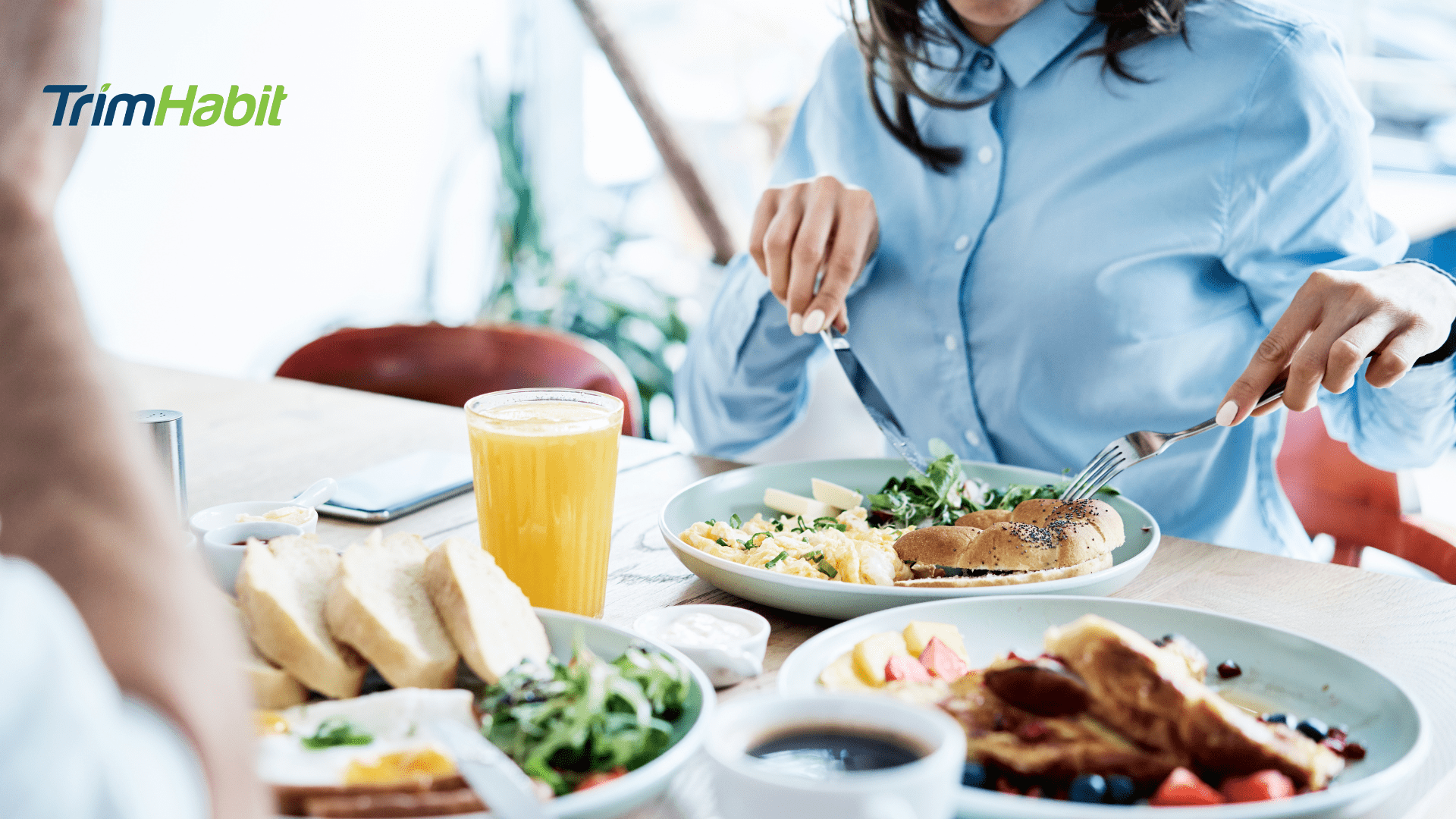
Eating out at restaurants without overeating on semaglutide can feel challenging, especially when restaurant portions are large and tempting foods are everywhere. Semaglutide may help reduce appetite and increase feelings of fullness, but dining out can still make it easy to eat more than your body comfortably needs.
The good news is that you do not have to avoid restaurants or give up your favorite meals while taking semaglutide. With a few practical strategies, you can enjoy dining out while staying aligned with your weight-loss goals and minimizing uncomfortable side effects.
Why Restaurant Meals Can Feel Different On Semaglutide
Semaglutide changes more than the number on the scale. It can also change hunger, fullness, food interest, and how comfortable certain meals feel.
Semaglutide Can Make You Feel Full Sooner
Semaglutide is a GLP-1 receptor agonist. One of its effects is delayed gastric emptying, meaning food may remain in the stomach longer1. This can contribute to earlier and longer-lasting feelings of fullness.
That can become more noticeable at restaurants, where a meal may include several courses or components, such as bread, appetizers, an entrée, sides, drinks, and dessert. The amount of food can add up quickly, even when each item is eaten in a relatively small amount.
As a result, you may reach comfortable fullness earlier in the meal and stay full longer afterward than you did before taking semaglutide.
Restaurant Portions Can Outpace Your New Appetite
Restaurant portions can feel much larger on semaglutide because your appetite may be smaller and you may feel full sooner. Meals that once seemed like a normal serving can suddenly feel like more food than you want or need.
You may notice that:
- You feel satisfied after eating only part of the meal.
- The food becomes less appealing as you get full.
- You naturally slow down or stop eating sooner.
- You feel full for longer after the meal.
This can make the usual restaurant experience feel different. A portion that once matched your appetite may now exceed it, so you can reach comfortable fullness while there is still a substantial amount of food left on the plate.
Rich Foods May Be Harder to Tolerate
Restaurant meals are often richer and higher in fat than everyday meals, with ingredients such as butter, oil, cream, cheese, and fried coatings. On semaglutide, these meals may feel more difficult to tolerate because semaglutide slows stomach emptying and can affect appetite and digestion.
For some people, a rich restaurant meal may therefore lead to:
- Nausea or queasiness
- Bloating or uncomfortable fullness
- Reflux or heartburn
- Feeling overly full for longer than expected
This does not mean everyone taking semaglutide will react to rich foods in the same way. Tolerance varies, but the combination of richer food, larger portions, and slower stomach emptying can make restaurant meals feel noticeably different.
Eating Out At Restaurants Without Overeating On Semaglutide
A little planning can make restaurant meals easier to navigate, especially when semaglutide has changed your appetite or how well you tolerate certain foods.
Check the Menu Ahead of Time
Looking at the menu before you arrive gives you a chance to see the available meals, portion sizes, and how different dishes are prepared. This can make ordering easier when you are actually at the restaurant.
Avoid Arriving Extremely Hungry
Semaglutide can reduce hunger, which may make it easy to unintentionally eat very little earlier in the day. However, arriving at a restaurant extremely hungry can still make it harder to eat comfortably.
You may be more likely to:
- Eat quickly
- Order more food than you need
- Choose richer foods impulsively
- Pay less attention to how much you are eating
If you know dinner will be late, a small snack earlier in the day may help you avoid arriving overly hungry.
Consider the Whole Meal
A restaurant meal can include much more than the entrée. Bread, appetizers, sides, drinks, and dessert can all contribute to the same meal.
This can matter on semaglutide because your appetite may not accommodate the same amount of food as before. Rich additions such as creamy sauces, cheese, butter, and fried toppings can also make a meal heavier and may be harder for some people to tolerate.
Pay Attention While You Eat
Restaurant meals can make it easy to keep eating because food remains in front of you, courses continue to arrive, and other people may still be eating. Paying attention to your appetite can help you recognize changes as the meal progresses.
Slow Down and Check In
Eating quickly can make it harder to notice when your appetite is changing. Taking your time between bites gives you an opportunity to notice whether you are still hungry or simply continuing because there is food left.
You might notice that:
- You are naturally eating more slowly.
- The food becomes less appealing.
- Your desire to keep eating decreases.
- You feel satisfied even though food remains.
The portion served at a restaurant does not necessarily correspond to the amount your body wants at that moment.
Special Situations That Make Overeating More Likely
Certain restaurant settings make portion awareness harder, even when appetite is lower.
Buffets
Buffets can encourage people to eat based on variety rather than hunger.
Try this approach:
- Look at all the options before filling your plate.
- Choose foods you actually want rather than trying everything.
- Start with one modest plate.
- Prioritize protein and vegetables.
- Sit down and eat slowly.
- Wait before returning for more.
- Skip foods you only chose because they were included in the price.
Do not measure value by how much food you can finish.
Celebrations and Holidays
Birthday dinners, holidays, and vacations can create pressure to eat differently.
Instead of trying to fit everything into one meal, decide what matters most.
For example, you might choose:
- A favorite appetizer and lighter entrée
- A main course and shared dessert
- A favorite entrée without the bread basket
- A small amount of several special foods
One restaurant meal does not determine your long-term progress.
Social Pressure to Finish Food
Friends or family may notice that you eat less than before.
You do not owe anyone a detailed explanation.
Simple responses include:
- “I’m full, but it was really good.”
- “I’m saving the rest for later.”
- “I don’t need any more right now.”
- “I’ll take the rest home.”
Your comfort matters more than clearing the plate.
What To Do If You Overeat On Semaglutide
Even with good planning, you may occasionally eat more than you feel comfortable with.
Respond to the discomfort rather than punishing yourself.
Stop Eating When You Notice Discomfort
If you notice:
- Nausea
- Pressure
- Bloating
- Reflux
- Excessive fullness
- Stomach discomfort
Stop eating and give your stomach time. Do not continue simply because food remains.
Stay Hydrated Without Chugging
Sip fluids as tolerated rather than drinking a large amount all at once.
This is especially important if you have experienced:
- Vomiting
- Diarrhea
- Reduced fluid intake
- Hot weather
- Heavy exercise
Significant fluid loss can contribute to dehydration.
Keep the Next Meal Simple
You do not need to compensate by starving yourself the next day.
When hunger returns, choose a smaller, familiar meal that you know is comfortable.
Examples may include:
- Eggs and toast
- Yogurt and fruit
- Soup with protein
- Chicken and rice
- Fish and vegetables
- Oatmeal with yogurt
Return to your usual routine instead of swinging between overeating and excessive restriction.
Know When Symptoms Need Medical Attention
Semaglutide can cause gastrointestinal side effects, but severe symptoms should not automatically be blamed on overeating.
Contact your healthcare professional if symptoms are severe, persistent, or worsening.
Seek prompt medical attention for symptoms such as:
- Severe or persistent abdominal pain
- Repeated vomiting
- Inability to keep fluids down
- Signs of significant dehydration
- Severe abdominal swelling
- Symptoms that are rapidly worsening
- Severe pain that may extend toward the back
Follow any specific warning instructions given by your prescriber.
A Simple Restaurant Formula To Remember
You do not need to memorize a long set of rules every time you go out. The goal is simply to make a few choices that account for your appetite, the size of restaurant portions, and how the meal may feel on semaglutide.
Pick, Portion, Pause
Use these three steps:
- Pick: Choose a meal centered on protein with vegetables or another nutrient-dense side.
- Portion: Decide whether a full entrée makes sense. Share, order smaller, or plan to take leftovers home.
- Pause: Eat slowly and check your hunger before continuing.
This approach is flexible enough for:
- Date nights
- Family dinners
- Work lunches
- Vacations
- Celebrations
- Fast-casual restaurants
- Takeout meals
Frequently Asked Questions
Can You Eat at Restaurants While Taking Semaglutide?
Yes. Semaglutide does not require you to avoid restaurants. What may change is how you experience a typical restaurant meal. Larger portions, richer preparations, multiple courses, and eating on a set schedule may feel different when your appetite is reduced or your stomach empties more slowly.
What Is the Best Restaurant Food to Eat on Semaglutide?
There is no single “best” restaurant food for everyone taking semaglutide. The better choice depends on your appetite, digestive tolerance, and nutritional needs. A meal that feels comfortable and satisfying for you may be very different from what works for someone else, particularly if certain foods tend to trigger nausea, reflux, bloating, or prolonged fullness.
Should You Avoid Fatty Foods on Semaglutide?
Not necessarily. Fat is still part of a balanced diet, but very rich or high-fat restaurant meals may feel heavier for some people taking semaglutide. Since semaglutide slows gastric emptying, a large, fatty meal may contribute to longer-lasting fullness or worsen digestive symptoms such as nausea, bloating, or reflux in people who are already prone to them.
What If I Can Only Eat a Few Bites?
A smaller appetite can occur with semaglutide, but regularly managing only a few bites at a time is different from simply feeling satisfied sooner. Consistently limited food or fluid intake can make it difficult to meet your nutritional and hydration needs. Contact your prescriber if this happens regularly, especially if you are also vomiting, unable to drink enough, or having symptoms that interfere with daily activities.
Should I Skip Meals Before Going Out to Dinner?
Intentionally skipping meals all day is generally not necessary just because you plan to eat at a restaurant. Going into dinner extremely hungry may also make it harder to eat at a comfortable pace. If there will be a long gap between meals, follow the eating pattern recommended by your clinician or dietitian rather than trying to “save” calories for dinner.
Can I Have Dessert on Semaglutide?
Yes. Semaglutide does not mean dessert is off limits. The main consideration is whether you still want it and whether it sits comfortably after the rest of the meal. You may find that a few bites are enough when dessert is served after an appetizer, entrée, and other sides.
Final Thoughts
Eating at restaurants on semaglutide does not have to mean giving up favorite meals or following a strict set of rules. You may simply notice that familiar restaurant portions, richer dishes, and longer meals feel different than they did before.
The key is to recognize these changes without turning every meal into a test of what you can or cannot eat. Restaurant meals can still be enjoyable and fit into your routine while taking semaglutide.
If nausea, vomiting, severe abdominal pain, dehydration, or difficulty eating and drinking enough becomes persistent, talk with your healthcare provider.