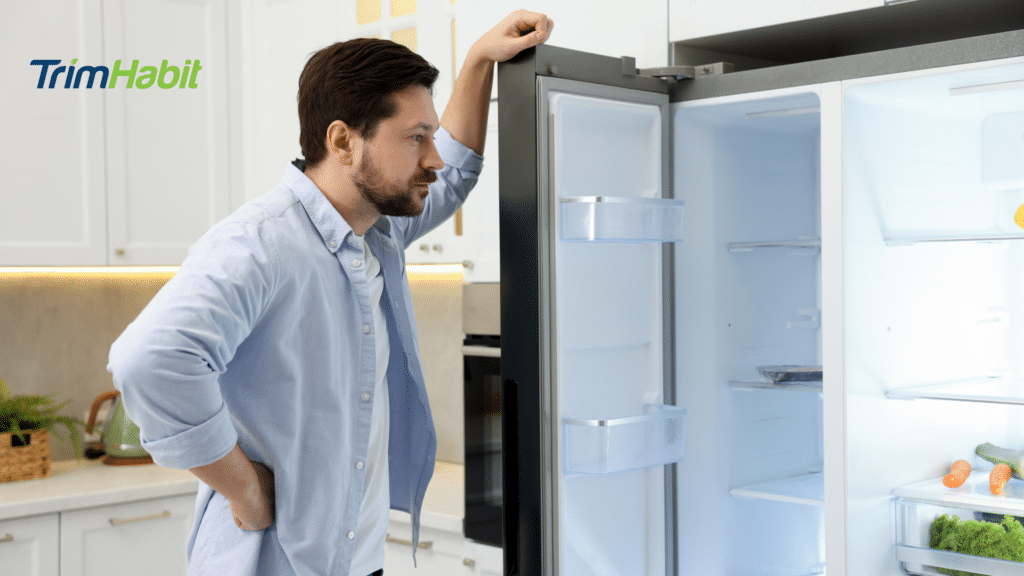
How to build habits that last beyond semaglutide treatment starts with using the treatment period as an opportunity to create routines that can continue even after the medication is reduced or stopped. Semaglutide may help control appetite and support weight loss. Still, long-term success often depends on the daily choices that follow, including balanced eating, regular movement, quality sleep, stress management, and consistent self-monitoring.
Building lasting habits does not require making every change at once. Small, realistic actions that fit your lifestyle are more likely to become sustainable over time. This article explains how to turn short-term progress into practical routines that support weight management, overall health, and confidence beyond semaglutide treatment.
What Is Semaglutide For Weight Loss
Semaglutide is a prescription medication belonging to a class of drugs called glucagon-like peptide-1 receptor agonists, or GLP-1 receptor agonists. It mimics the activity of GLP-1, a hormone naturally released in the digestive system after eating1.
Depending on the specific product, semaglutide may be prescribed to:
- Improve blood sugar control in adults with type 2 diabetes.
- Support long-term weight management in eligible adults and adolescents.
- Reduce cardiovascular risk and support heart health in certain high-risk adults by lowering the risk of heart attack, stroke, or cardiovascular death.
- Reduce the risk of worsening kidney disease in some adults with type 2 diabetes.
- Treat certain patients with metabolic dysfunction-associated steatohepatitis, or MASH.
Semaglutide is available in injectable and oral forms. Brand names include Ozempic, Wegovy, and Rybelsus, although each product has different approved uses, strengths, and dosing instructions. They should not be substituted or combined unless directed by a qualified healthcare professional.
Semaglutide should only be used under medical supervision. Patients should not start, stop, restart, or change their dose without consulting the healthcare professional who prescribed it.
Why Habits Matter After Semaglutide Treatment
Semaglutide can change how easily you manage portions, cravings, and hunger while you are taking it. When those effects become less pronounced after a dose reduction or treatment ends, the eating patterns that once felt manageable may require more effort. You may notice that you are serving yourself larger portions, snacking more often, or feeling hungry between meals again.
This is where your usual routines become important. Regular meals can help prevent you from going into the next meal overly hungry. Keeping filling foods available makes it easier to put together a satisfying meal when appetite increases. Staying active helps you maintain energy expenditure and preserve muscle, while consistent sleep can support appetite regulation.
The goal is not to recreate the appetite suppression you had on semaglutide. It is to have practical routines in place for the point when hunger and food-related thoughts become more noticeable again.
How To Build Habits That Last Beyond Semaglutide Treatment
The habits you build while taking semaglutide can make the transition after treatment easier, especially when changes in appetite or hunger start to become more noticeable. Rather than trying to overhaul everything at once, focus on a few routines you can realistically keep doing without relying on the medication. The following habits can help you maintain a consistent approach to eating, activity, and other parts of your daily routine:
Choose Small Habits You Can Repeat
A habit is easier to follow when it is clear. “Eat healthier” is vague. “Add a vegetable to dinner five nights this week” is specific. “Build exercise routines you can repeat each week” is clearer. “Walk for ten minutes after lunch on weekdays” tells you what to do.
Start below your maximum effort. A routine that works only on your best day is unlikely to last. Create a minimum version that still counts:
- Walk for 10 minutes when you cannot complete a full workout, and build toward 7,000 to 10,000 steps per day for better health over time.
- Prepare one balanced meal when weekly meal preparation is not possible.
- Do one set of strength exercises when time is limited.
- Go to bed 15 minutes earlier instead of changing your entire sleep schedule.
Build an Eating Pattern That Works Without Semaglutide
The goal is not to copy the smallest portions you ate while taking semaglutide. Your appetite may change, and consistently undereating can make a plan difficult to sustain. Instead, build meals that are filling, flexible, and part of a balanced diet built mostly from whole foods. These healthy habits are part of building sustainable habits that can support long-term success after semaglutide.
Create Predictable Meal Times
Regular meals may help you avoid eating very little early in the day and becoming intensely hungry at night. Some people do well with three meals, while others prefer meals plus a planned snack. Let your medical needs, work schedule, culture, activity, and hunger patterns guide the routine.
Avoid skipping meals as punishment after overeating. One larger meal does not require restriction the next day. Return to your usual routine at the next eating opportunity.
Include Protein and Fiber-Rich Foods
Protein can make meals more substantial and support muscle maintenance when paired with appropriate activity. Options include eggs, fish, poultry, lean meat, Greek yogurt, cottage cheese, tofu, tempeh, beans, and lentils.
Fiber-rich foods include vegetables, fruit, beans, whole grains, nuts, and seeds. Increase fiber intake gradually if you are prone to bloating, constipation, or digestive discomfort, and drink fluids as needed and per your medical guidance.
Use this simple meal-building formula:
- Choose a protein source.
- Add vegetables or fruit.
- Include a fiber-rich carbohydrate when appropriate.
- Add a satisfying source of fat.
- Adjust portions according to hunger, activity, and medical needs.
Prepare for Increased Hunger
Plan for hunger instead of trying to eliminate it. Keep convenient foods available, such as yogurt, boiled eggs, fruit, soup, tuna, whole-grain crackers, vegetables with dip, or a sandwich with a protein filling.
When hunger increases, ask:
- Did I eat enough at my previous meal?
- Was the meal low in protein or fiber?
- Have I gone too long without eating?
- Am I tired, stressed, bored, or physically hungry?
- Would a planned snack help more than further restriction?
Relearn Hunger and Fullness Signals With Mindful Eating
Semaglutide can change how hunger and fullness feel. After treatment, these signals may become stronger or less predictable, and relearning them can take time.
Physical hunger often develops gradually and may include stomach sensations, lower energy, irritability, or difficulty concentrating. Emotional or environmental triggers may appear suddenly after stress, boredom, food advertising, or exposure to food.
Before eating, pause briefly and notice what is happening. This is not a test. If you are hungry, eat. If the urge is mainly emotional, you may still choose to eat, but the pause gives you more information.
During meals, slow down enough to notice when the food becomes less satisfying, or you begin to feel comfortably full. You do not need to stop at a perfect number on a hunger scale. The goal is to reduce automatic eating and respond to your body with curiosity.
For a recurring trigger, create an “if-then” plan:
When I want to snack after a stressful meeting, I will first take a five-minute break. If I am still hungry, I will eat my planned snack.
This approach does not ban food. It creates a brief space between a trigger and your response.
Build a Sustainable Movement Routine
Exercise should support your health, not punish you for eating. Choose activities that improve strength, mobility, endurance, mood, or confidence.
Current U.S. guidance recommends that adults work toward at least 150 minutes of moderate-intensity aerobic activity each week and perform muscle-strengthening activities on at least two days. Inactive people can begin with smaller amounts and build gradually.
Every day activity matters too. Walk during calls, take short movement breaks, or walk after meals. Create a minimum weekly plan and a backup option for disrupted days.
For example, a basic weekly plan might include:
- Monday: 20-minute walk
- Wednesday: Beginner strength routine
- Friday: 20-minute walk
- Saturday: Beginner strength routine
- Backup activity: 10-minute indoor walk or mobility session
Seek individualized guidance if pain, cardiovascular disease, balance problems, weakness, or another condition affects your ability to exercise safely.
Protect Sleep and Manage Stress
Healthy weight management involves more than what you eat or how often you exercise. Sleep and stress can also affect your appetite, energy, and eating patterns, making them worth building into your routine.
Create a repeatable wind-down routine that helps you transition out of the day. Dim the lights, step away from stimulating work before bed, prepare what you need for the next morning, and keep your sleep and wake times as consistent as possible. Most adults need around seven to nine hours of sleep each night, but sleep quality matters too. Poor or insufficient sleep can affect appetite regulation and make high-calorie foods more appealing. Persistent snoring, choking during sleep, severe daytime sleepiness, or ongoing insomnia should be discussed with a healthcare professional.
Stress can also influence eating habits. Rather than expecting yourself to never stress-eat, have a few alternatives ready for difficult days. Taking a short walk, calling someone, listening to music, journaling, doing a few minutes of breathing exercises, or stepping away from the situation can give you other ways to cope when food is not really what you need.
These tools will not remove every urge. They simply give you more than one way to respond.
Design Your Environment to Support Your Habits
Make helpful choices visible and convenient. Keep walking shoes near the door, store ready-to-eat foods at eye level, schedule workouts, and prepare ingredients before busy days.
Make less helpful choices less automatic. Portion snacks into a bowl, turn off food-delivery notifications, and keep trigger foods in a less visible place.
Plan for disrupted routines, too. Before travel, holidays, long workdays, or social events, decide what “good enough” will look like.
You might pack a snack, eat a balanced meal before leaving, choose a short hotel-room workout, or return to your normal routine after a celebration without compensating.
Your environment does not have to be perfect. Small changes that make healthier choices easier to reach and impulsive choices a little less convenient can make a difference over time.
Track Progress Without Becoming Obsessed
Tracking can help you see what is working, but it should not take over your day. Choose a few things that matter to your goals, such as weight trends, waist measurements, meal consistency, exercise, strength, energy, sleep, hunger, cravings, or blood pressure. Blood glucose may also be tracked when medically indicated.
You also do not need to weigh yourself every day. Weight naturally moves up and down because of changes in fluid, food intake, and other short-term factors, so one reading does not tell you much on its own. If the scale causes anxiety, consider weighing yourself weekly, less often, or skipping it altogether.
Track your habits, too. A week with no change on the scale can still be a good week if you prepared more meals at home, stayed active, slept better, or handled hunger more comfortably.
If tracking starts making you skip meals, weigh yourself repeatedly, avoid social situations, or tie your self-worth to a number, it may be time to step back and talk with a healthcare professional.
Expect Setbacks and Plan Your Recovery
A lasting habit is not one you perform perfectly. It is one you know how to restart. When a routine slips, return at the next realistic opportunity instead of waiting for Monday or a new month.
Review what happened without blame. Ask yourself:
- Was the habit too difficult?
- Did my schedule change?
- Was I sleeping poorly?
- Did my appetite shift, or did other body changes after treatment make this harder than expected?
- Was I dealing with illness, pain, or stress?
- Did I have access to the foods or resources I needed?
Then adjust the system. Make the habit smaller, change the time, prepare food earlier, ask for help, or schedule a clinical follow-up.
For example, if a 45-minute workout repeatedly feels impossible, replace it with a 15-minute routine. If evening hunger leads to unplanned eating, review whether your breakfast and lunch are satisfying enough. If meal preparation keeps falling apart on Sundays, move it to another day or prepare only one ingredient at a time.
Self-criticism rarely provides useful information. Curiosity does.
Build a Maintenance Support Team
Long-term support can involve your prescriber, primary care professional, registered dietitian, behavioral therapist, obesity-medicine specialist, diabetes educator, or qualified exercise professional, depending on your needs. Follow-up visits may include reviewing changes in weight, blood pressure, blood sugar, appetite, digestive symptoms, mental health, and other medications. Your care team can also help you adjust your eating, activity, or treatment plan when your needs change.
Friends and family can help when you make specific requests. Ask someone to walk with you, share meal preparation, avoid comments about your body, or check in about your routine in ways that support long-term success rather than only the scale.
Contact your healthcare professional if you experience:
- Rapid or distressing weight changes
- Significantly increased hunger
- Worsening blood sugar levels
- Persistent vomiting or diarrhea
- Signs of dehydration
- Severe or persistent abdominal pain
- Depression or anxiety
- Binge-eating behaviors
- Other new or concerning symptoms
Do not restart semaglutide on your own. FDA prescribing information provides product-specific directions for missed doses and reinitiating treatment, so professional guidance is important.
A 30-Day Habit-Building Plan After Semaglutide
Trying to change everything at once can become overwhelming. Use the following 30-day plan for building sustainable habits through gradual lifestyle modifications, not quick fixes. These steps are meant to support sustainable wellness and sustainable success after treatment changes.
Week 1: Observe and Add Structure
Record your hunger patterns, establish a basic meal schedule, choose one daily movement habit, and arrange any needed medical follow-up.
Do not attempt to correct everything you notice. The purpose of this week is to understand your current routine.
Week 2: Improve Meal Satisfaction
Add protein and produce to your main meals, prepare two dependable snacks, and practice eating one daily meal without screens or work.
Notice which meals keep you satisfied and which ones leave you hungry soon afterward.
Week 3: Strengthen Movement and Recovery
Complete one or two beginner strength sessions, choose a consistent bedtime cue, and test two non-food stress-management tools.
Choose activities that feel realistic enough to continue beyond this initial month.
Week 4: Review and Adjust
Keep the habits that worked, simplify difficult ones, and create backup plans for weekends, travel, overtime, illness, and social events.
At the end of 30 days, choose only a few habits to continue. A short routine you repeat is more valuable than an elaborate plan you abandon.
Final Thoughts On Building Healthy Habits Beyond Semaglutide
Building healthy habits beyond semaglutide is less about following a strict routine and more about having habits you can continue when appetite, hunger, or your daily schedule changes. Regular meals, movement, sleep, stress management, and a supportive environment can give you structure without requiring everything to be perfect.
You may need to adjust your approach over time. Some habits will work well right away, while others may need to change as your appetite, weight, activity level, or circumstances change. If maintaining your progress becomes difficult, you do not have to figure it out on your own. Your healthcare team can help you decide what adjustments make sense and whether additional support or treatment is appropriate.