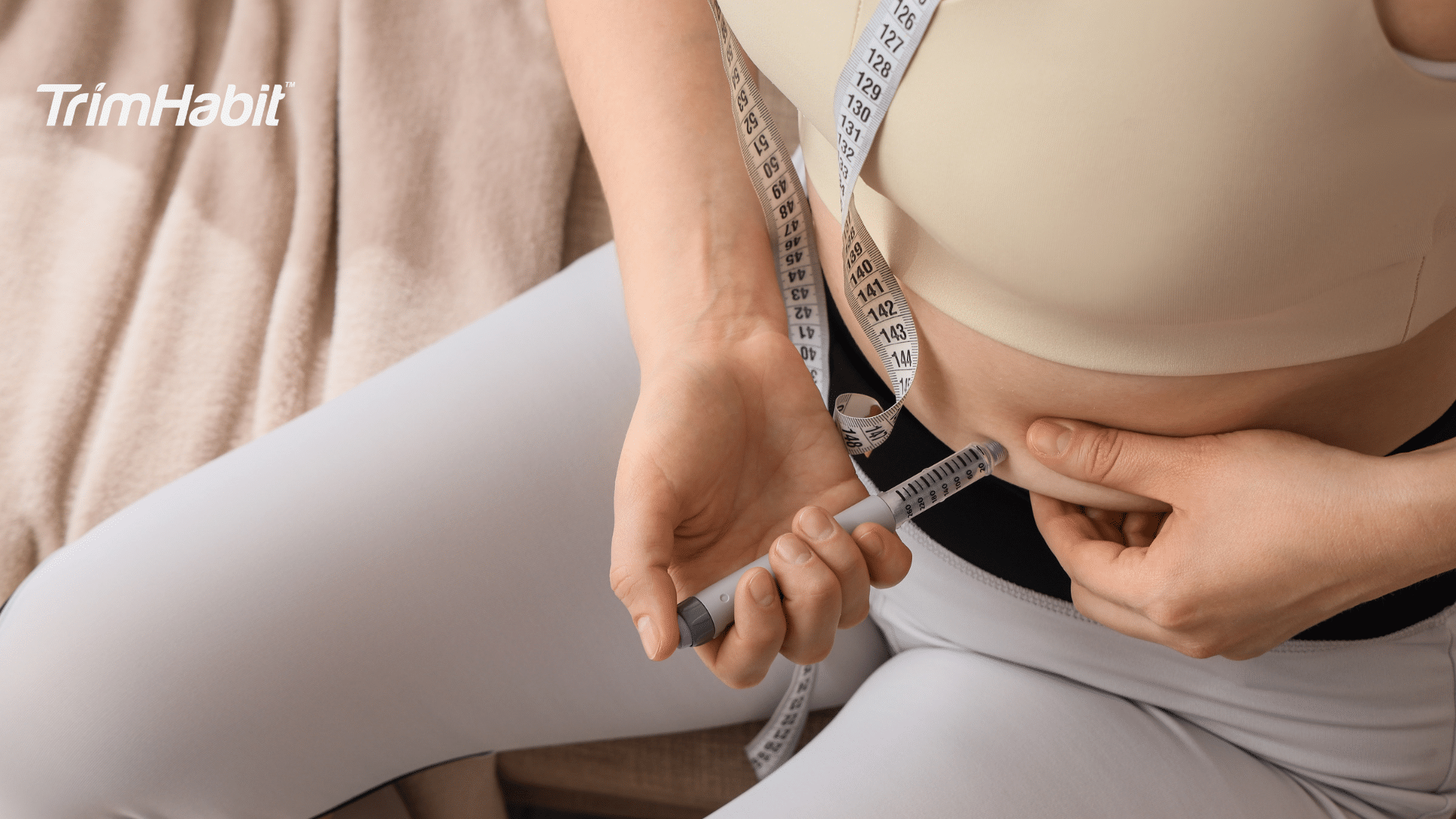
If you’re eating less, feeling full faster, and experiencing fewer cravings since starting semaglutide, you might still be wondering, why am I not losing weight even though semaglutide is reducing my appetite?
It can be frustrating to notice changes in your hunger and eating habits without seeing much difference on the scale. Although semaglutide helps reduce appetite and increase feelings of fullness, eating less doesn’t always lead to immediate or noticeable weight loss.
Several factors can explain this difference. Your calorie intake may still be higher than you realize, while water retention, constipation, changes in physical activity, and your body’s response to treatment can also affect your weight. These factors can make it difficult to see changes on the scale, even when your appetite has decreased.
A slower rate of weight loss doesn’t automatically mean semaglutide isn’t working. You may need more time to see noticeable results, particularly during the early stages of treatment or while your dose is being gradually increased. Looking at what else may be affecting your weight can help you understand why the scale isn’t moving as expected. Below, we’ll discuss the most common reasons this happens and what you can do about them.
How Does Semaglutide Reduce Appetite And Help With Weight Loss?
Semaglutide belongs to a class of medications called glucagon-like peptide-1 (GLP-1) receptor agonists. It mimics a naturally occurring hormone that regulates appetite, blood sugar, and digestion.
The medication supports weight management through several mechanisms:
- Reduces hunger signals: Semaglutide acts on brain pathways that regulate appetite, helping you feel less hungry.
- Increases fullness: You may feel satisfied after eating smaller portions.
- Reduces food cravings: Some people experience less interest in snacking or thinking about food.
- Slows stomach emptying: Especially during early treatment, food may leave your stomach more slowly, which can contribute to fullness.
- Improves blood sugar regulation: Semaglutide stimulates glucose-dependent insulin release and reduces inappropriate glucagon secretion.
These effects make it easier for many people to reduce their overall food intake. However, appetite suppression and fat loss are not the same process.
Weight loss generally occurs when your body uses more energy than it receives from food and drinks over time.
Semaglutide can help you maintain this calorie deficit, but feeling full doesn’t guarantee that one exists.
This distinction explains why you might experience significant changes in appetite without immediately seeing a lower number on the scale.
Reasons Semaglutide Isn’t Leading To Weight Loss
1. You’re Still Taking a Low Starting Dose
One of the most common reasons for slow weight loss is that you’re still in the early stages of treatment.
Semaglutide is typically introduced at a low dose and gradually increased to improve tolerability.
For example, the usual Wegovy injection schedule begins with:
- Weeks 1–4: 0.25 mg once weekly.
- Weeks 5–8: 0.5 mg once weekly.
- Weeks 9–12: 1 mg once weekly.
- Weeks 13–16: 1.7 mg once weekly.
- Week 17 onward: A prescribed maintenance dose.
Your healthcare provider may adjust this schedule depending on tolerability and treatment needs.
Even at 0.25 mg, some people experience noticeable appetite suppression. However, the starting dose is intended for treatment initiation rather than long-term weight management.
Different semaglutide products also have different approved doses and instructions.
What you can do: Continue following your prescribed treatment schedule. Don’t increase your dosage on your own simply because your weight hasn’t changed.
2. You’re Eating Smaller Portions but Still Consuming Too Many Calories
One of the biggest misconceptions about semaglutide is that eating less automatically means consuming fewer calories.
Food volume and calorie content aren’t always closely related.
For example, a small meal with creamy sauces, cheese, and fried foods can have more calories than a larger meal built around vegetables, lean protein, and whole grains.
Calorie-dense foods that can contribute more energy than expected include:
- Fried foods and pastries
- Cheese and creamy sauces
- Nuts and nut butters
- Desserts and chocolate
- Foods prepared with substantial amounts of oil
These foods aren’t necessarily forbidden, but portion size and overall dietary patterns still matter.
What you can do: Consider keeping a short-term food diary to identify eating patterns. Focus on balanced meals instead of simply trying to eat the smallest possible amount.
3. You’re Drinking More Calories Than You Realize
Semaglutide may significantly reduce your appetite for solid foods, but liquid calories can still add up quickly.
Beverages don’t always provide the same lasting fullness as a balanced meal.
Common sources of liquid calories include:
- Sweetened coffee and flavored lattes
- Regular soda and fruit juice
- Milkshakes and sweetened smoothies
- Alcoholic beverages
- High-calorie protein shakes with added ingredients
For instance, skipping breakfast because you’re not hungry but drinking a large sweetened coffee may still contribute considerable calories.
Small snacks consumed throughout the day can have a similar effect.
What you can do: Choose water or unsweetened beverages more often. If you drink smoothies or protein shakes, consider how they fit into your daily nutrition rather than treating them as calorie-free additions.
4. Water Retention Is Hiding Your Fat Loss
Sometimes, you’re making progress even when the scale suggests otherwise.
Your total body weight includes more than body fat. It also reflects fluids, muscle, food, and digestive contents.
Temporary water retention can occur because of:
- Higher sodium intake
- Hormonal changes or menstruation
- Starting a new exercise program
- Increased carbohydrate intake
- Changes in sleep or daily routines
You may lose some body fat without seeing an immediate change on the scale because temporary water retention can mask the difference. Weight can also fluctuate from day to day, making short-term changes less reliable.
What you can do: Compare weight trends over several weeks rather than focusing on individual readings.
You can also monitor waist measurements, clothing fit, and other indicators of progress.
5. Constipation Is Affecting Your Scale Weight
Constipation is a recognized side effect of semaglutide.
Because semaglutide affects gastrointestinal function, some people experience less frequent bowel movements, bloating, or abdominal discomfort.
Reduced food intake, inadequate hydration, and insufficient dietary fiber may contribute.
When stool accumulates in your digestive tract, your scale weight can temporarily remain elevated.
Common signs include:
- Having fewer bowel movements than usual
- Passing hard or dry stools
- Feeling bloated or uncomfortable
- Straining during bowel movements
- Feeling as though your bowels haven’t emptied completely
Constipation doesn’t mean you’ve gained body fat, but it can make your weight-loss progress harder to interpret.
What you can do: Drink adequate fluids, gradually incorporate fiber-rich foods, and maintain regular movement.
Seek medical advice if constipation is persistent or severe, especially if accompanied by vomiting or significant abdominal pain.
6. Your Metabolism Has Adjusted to Weight Loss
If you’ve already lost weight on semaglutide but recently stopped seeing progress, metabolic adaptation may be contributing.
As your body becomes smaller, it generally requires fewer calories to maintain its weight. For example, someone who has lost a substantial amount of body weight may expend less energy during everyday activities. Your body can also undergo additional physiological adaptations during weight loss.
Consequently, a calorie intake that previously supported weight loss may eventually approach your maintenance needs. This is one reason weight-loss plateaus can occur even when you haven’t intentionally changed your eating habits.
However, metabolic adaptation doesn’t mean your body has permanently stopped burning fat.
What you can do: Review your activity, nutritional needs, and overall progress with your healthcare provider or registered dietitian.
Avoid drastically cutting calories in an attempt to force the scale downward.
7. You’re Not Moving Enough Throughout the Day
Although semaglutide reduces appetite, physical activity remains an important part of weight management.
Some people unintentionally become less active when their calorie intake decreases.
You might experience:
- Lower energy levels
- Less motivation to exercise
- More time spent sitting
- Reduced daily walking
- Difficulty maintaining previous workout routines
Even small reductions in everyday movement can influence how much energy your body uses.Physical activity also helps preserve strength and muscle during weight loss.
Adults should generally aim for:
- 150 minutes of moderate-intensity aerobic activity weekly
- At least two days of muscle-strengthening exercise
Activities such as walking, swimming, cycling, or resistance training can help you work toward these recommendations.
What you can do: Begin with manageable activity and gradually increase your consistency. If you’re experiencing significant fatigue or dizziness, discuss those symptoms before intensifying exercise.
8. You’re Not Eating Enough Protein or Balanced Meals
When semaglutide significantly reduces hunger, meeting your nutritional needs can become challenging.
You may feel satisfied after a few bites or find yourself unintentionally skipping meals.
Although a calorie deficit supports weight loss, inadequate nutrition can contribute to fatigue, weakness, and difficulty maintaining muscle.
Insufficient protein intake is particularly concerning during weight reduction because some of the weight loss may come from lean tissue.
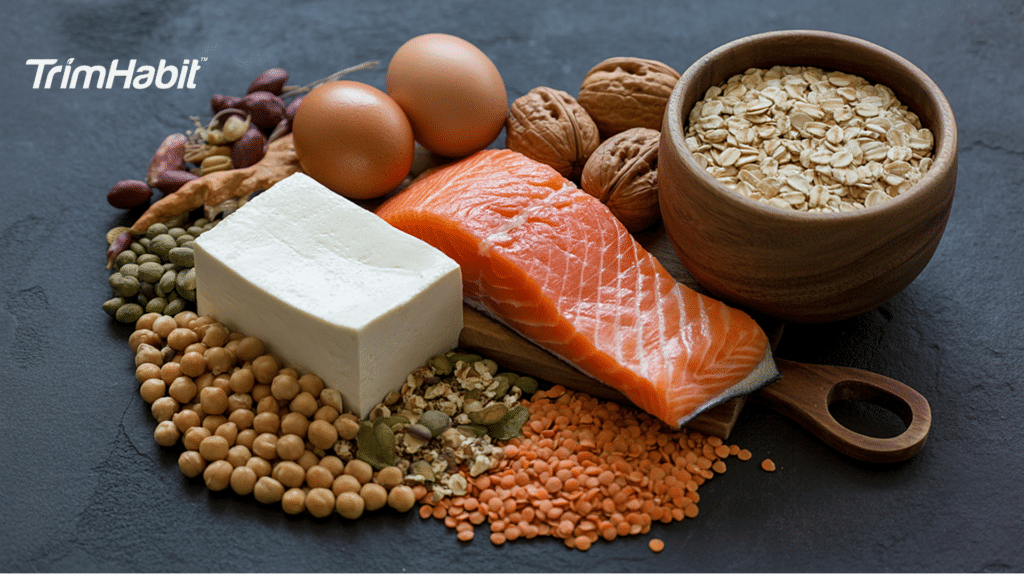
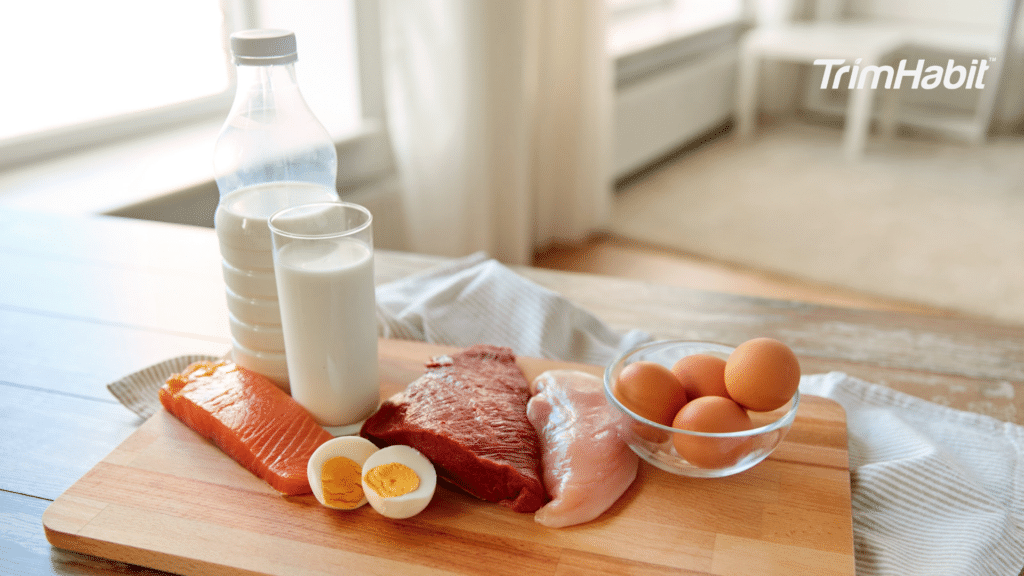
Protein-rich foods include:
- Eggs and poultry
- Fish and seafood
- Lean meat
- Greek yogurt
- Beans and lentils
- Tofu and other soy products
Try building smaller, balanced meals that include protein, fruits or vegetables, and other nutrient-rich foods.
What you can do: Prioritize adequate nutrition instead of eating as little as possible. A registered dietitian can help you determine an appropriate protein target based on your health and needs.
9. Poor Sleep and Stress Are Affecting Your Routine
Sleep and stress influence several behaviors involved in weight management.
When you consistently sleep poorly, you may feel more tired, move less, and find it harder to maintain healthy eating routines.
Stress can also influence food choices and activity patterns, even when medication reduces physical hunger.
Potential signs that your routine needs attention include:
- Frequently sleeping fewer hours than you need
- Feeling exhausted during the day
- Relying on convenient, calorie-dense foods
- Skipping exercise because of fatigue
- Experiencing persistent emotional stress
Semaglutide can influence appetite signals, but it doesn’t eliminate the effects of sleep deprivation or chronic stress.
What you can do: Establish consistent sleep habits, maintain a realistic activity routine, and identify manageable ways to reduce stress.
10. An Underlying Health Condition or Another Medication May Be Involved
Certain medical conditions can make weight management more complicated.
These may include:
- Hypothyroidism: An underactive thyroid can reduce energy expenditure and contribute to weight gain.
- Polycystic ovary syndrome (PCOS): Hormonal and metabolic changes can make weight management more challenging for some people.
- Type 2 diabetes: People with diabetes may experience different average weight-loss responses to semaglutide.
- Sleep disorders: Conditions affecting sleep quality may indirectly interfere with weight-management routines.
Some medications can also influence weight, including certain antidepressants, antipsychotics, corticosteroids, and diabetes treatments.
This doesn’t necessarily mean semaglutide won’t work, but additional factors may need attention.
What you can do: Ask your healthcare provider to review your medical history and current medications if progress remains limited despite consistent treatment.
Never stop prescribed medication without professional guidance.
11. Your Body Responds Differently to Semaglutide
People don’t all experience the same results with semaglutide.
Clinical trials demonstrate meaningful average weight loss, but individual responses vary.
In the STEP 1 clinical trial, participants without diabetes who received semaglutide 2.4 mg alongside lifestyle intervention lost an average of approximately 14.9% of their starting weight after 68 weeks1.
In the STEP 2 trial involving participants with type 2 diabetes, average weight loss with the same weekly dose was approximately 9.6% after 68 weeks2.
Your response may depend on factors such as:
- Starting body weight
- Diabetes status
- Treatment dose and duration
- Medication tolerability
- Nutrition and physical activity
- Individual biological differences
What you can do: Focus on your own progress rather than comparing your results with someone else’s transformation.
If weight loss remains limited after an adequate trial at your prescribed maintenance dose, discuss treatment effectiveness with your clinician.
How Long Does It Take To Lose Weight On Semaglutide?
There isn’t a single timeline that applies to everyone. Some people begin to notice weight changes in the first several weeks, while others experience more results after several months.
The early phase of treatment is primarily focused on gradually introducing the medication and assessing tolerability.
A general way to think about the process is:
- First month: Appetite may decrease, but weight changes can be modest or inconsistent.
- Months two and three: Some people begin developing a clearer downward trend as treatment continues.
- Months four to six: Progress may become more noticeable, although individual results vary.
- Beyond six months: Weight loss can continue, slow, or plateau depending on treatment response and other factors.
These are illustrative stages, not guaranteed milestones.
If you haven’t lost meaningful weight after approximately 12 weeks on a full therapeutic dose, the National Institute of Diabetes and Digestive and Kidney Diseases recommends discussing whether the medication should be continued or your plan changed.
That assessment is different from judging effectiveness during the initial dose-escalation period.
What To Do When Semaglutide Reduces Appetite But Not Weight
The most useful approach is to examine your treatment and everyday habits systematically.
1. Track Your Weight Consistently
Choose a consistent weighing routine instead of interpreting every daily fluctuation.
Helpful practices include:
- Weighing yourself under similar conditions
- Recording your measurements over time
- Comparing weekly averages rather than single readings
- Monitoring waist circumference if appropriate
Remember that short-term fluctuations don’t always reflect changes in body fat.
2. Review Your Eating Habits
Consider whether your overall calorie intake matches your weight-management goals.
Pay attention to:
- Calorie-dense foods
- Sweetened beverages
- Frequent snacking
- Protein intake
- Meal consistency
- Fiber-rich foods
You don’t need to eliminate entire food groups or follow an excessively restrictive diet.
A sustainable, nutritionally balanced eating pattern is more useful than trying to minimize every meal.
3. Support Your Muscles With Exercise
Regular movement can help preserve muscle and support long-term weight management. Try combining aerobic activities with resistance exercises appropriate for your fitness level.
Even short walks can be a practical starting point.
4. Check Your Medication Routine
Review whether you’re following the prescribed instructions correctly.
For example:
- Are you taking the medication at the correct frequency?
- Have you missed doses?
- Are you using the prescribed strength?
- Are you following the instructions for your specific injection or oral product?
- Have side effects caused interruptions in treatment?
Different semaglutide formulations have different administration requirements.
Don’t double your dose or change your dosing schedule without consulting your healthcare provider.
5. Speak With Your Healthcare Provider
If your weight remains unchanged despite consistent treatment, a professional review can help determine the next step.
Your provider may assess:
- Your weight trend and treatment duration
- Medication effectiveness and tolerability
- Nutritional intake and physical activity
- Possible underlying medical conditions
- Whether your current treatment plan remains appropriate
Sometimes the most effective adjustment is to improve the surrounding lifestyle plan rather than increase medication.
When Should You Be Concerned About Not Losing Weight?
A brief weight-loss stall usually isn’t an emergency.
However, you should schedule a medical review if:
- Your weight hasn’t changed meaningfully after sufficient time on your prescribed maintenance dose.
- You’re experiencing persistent nausea, constipation, or other side effects.
- You’re struggling to consume enough food or fluids.
- Your weight is increasing unexpectedly.
- You’re feeling unusually weak, exhausted, or unwell.
Seek urgent medical assessment for severe or persistent abdominal pain, especially if accompanied by vomiting. Semaglutide has important warnings involving pancreatitis, gallbladder disease, and dehydration-related kidney problems.
Sudden severe symptoms should never be dismissed as ordinary weight-loss side effects.
Final Thoughts: Why Am I Not Losing Weight Even Though Semaglutide Is Reducing My Appetite?
If semaglutide is reducing your appetite but you’re not losing weight, it doesn’t automatically mean your treatment has failed.
The explanation may involve something relatively simple, such as water retention, constipation, or hidden calories. In other cases, the issue may involve your dosage, metabolic adaptation, activity level, medical conditions, or individual treatment response.
The most important thing is to look beyond hunger levels and evaluate your overall progress.
Focus on balanced nutrition, consistent activity, appropriate medication use, and realistic long-term expectations.
Semaglutide can be a valuable tool for weight management, but its effectiveness isn’t measured by how little you feel hungry.