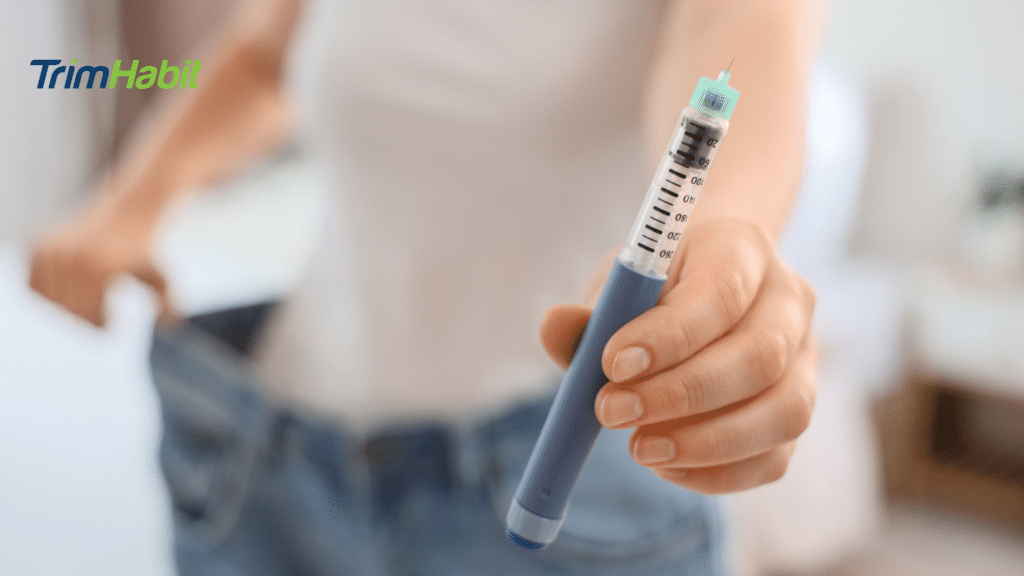
You may notice that your appetite is easier to manage in the first few days after your semaglutide injection, but becomes harder to control as the next dose approaches. You might feel hungry sooner after meals, think about food more often, or find yourself reaching for snacks even when you’ve been eating regularly.
If this sounds familiar, you may be wondering what to do when semaglutide wears off before your next shot.
Semaglutide has a long half-life, meaning it stays in your body well beyond the day of your injection. However, that doesn’t mean you will experience the same appetite-related effects every day. Changes in hunger can happen, but they don’t automatically mean the medication has stopped working or that you need a higher dose. Before making any changes to your treatment, it helps to understand what could be affecting your appetite and what you can do between injections to manage it.
Does Semaglutide Really Wear Off Before The Next Injection?
Semaglutide is a glucagon-like peptide-1 (GLP-1) receptor agonist. It helps regulate blood sugar, affects appetite and fullness signals, and slows stomach emptying. Injectable forms, including Ozempic and Wegovy, are designed for once-weekly use, although their approved uses and dosing schedules differ1.
Semaglutide has an elimination half-life of about one week. This means that roughly half of the drug in your body is eliminated over that period. However, it does not suddenly disappear when you reach day seven. Its concentration decreases gradually between injections rather than dropping to zero before your next scheduled dose.
Even so, you may notice changes in your appetite as the week progresses. Some people experience stronger appetite suppression in the first few days after an injection and notice more hunger as their next dose approaches. This does not necessarily mean the medication has stopped working or that your dose needs to increase. Appetite can fluctuate for several reasons, and hunger alone does not tell you whether semaglutide is still having an effect.
It also takes time for semaglutide levels to stabilize. With consistent weekly injections, the medication generally reaches steady-state exposure after approximately four to five weeks. If you have recently started treatment or increased your dose, your experience may change as your body adjusts to the medication.
Signs You May Notice Near The End Of Your Semaglutide Week
The phrase “semaglutide wearing off” usually describes a change in how a person feels rather than a confirmed loss of medication activity. Commonly reported experiences include:
- Feeling hungry sooner after a meal than earlier in the week
- Thinking about food more often or noticing returning “food noise”
- Wanting larger portions to feel satisfied
- Having stronger evening cravings or an urge to snack
- Finding it harder to maintain familiar meal routines
- Feeling that fullness does not last quite as long
These changes do not necessarily mean your blood sugar is uncontrolled or that your weight-loss progress has stopped. Hunger is influenced by many factors, and occasional increases in appetite are expected even during successful treatment.
However, if you have diabetes and notice higher glucose readings, or if your appetite change is sudden and persistent, contact your healthcare team.
Why Does Semaglutide Feel Less Effective Before Your Next Shot?
1. Drug Levels Naturally Change During the Week
A once-weekly injection provides long-lasting exposure, not a perfectly flat amount of medication every hour. Levels rise after dosing and gradually decline between injections. Some people may be more sensitive to these changes than others.
The takeaway is not to shorten your dosing interval on your own. Instead, watch for a consistent pattern and share it with your prescriber.
2. You Are Still on a Starting Dose
Semaglutide treatment typically begins at a low dose to help your digestive system adjust. For example, 0.25 mg weekly is an initial dose for the injectable products, rather than a typical long-term maintenance dose. Dose increases happen gradually under a clinician’s direction.
If you are early in treatment, modest appetite suppression does not necessarily mean you are doing anything wrong. Do not speed it up just because you feel hungry.
3. You Are Eating Too Little Earlier in the Week
When semaglutide reduces your appetite, skipping meals may seem easy. But going all day on coffee, a few bites of food, or a very small lunch can leave you genuinely hungry later. As your appetite returns, your body may push you to make up for what you missed.
That is one reason it helps to eat adequate, nourishing meals even on days when your appetite feels minimal. Sustainable weight management should not rely on completely ignoring hunger.
4. Your Sleep, Stress, or Routine Has Changed
Poor sleep, emotional stress, long workdays, irregular mealtimes, and changes in activity can all influence hunger.
Before concluding that semaglutide is wearing off, ask whether anything else changed that week. Sometimes adjusting your routine is more helpful than changing medication.
5. Your Treatment Needs a Review
If you have been on the same dose for a while, your experience may change as your weight, eating habits, other medications, or health needs change. In some cases, the current dose may not be the best fit for your treatment goals.
That decision requires an individual medical review. Stronger appetite suppression is not always the right goal, particularly if you already struggle with nausea, constipation, low food intake, or other side effects.
What To Do When Semaglutide Wears Off Before Your Next Shot
1. Keep Your Injection Schedule Consistent
Start with the simplest question: Have you been taking your injection on the correct day? A calendar reminder can help you avoid unintentional delays. Record the product name, dose, injection day, and whether the full injection was delivered according to the pen instructions.
Ozempic and Wegovy injections are generally administered once weekly. Their official instructions allow certain changes to injection day when enough time separates doses, but that flexibility should not become a way to take extra medication whenever hunger returns.
If you suspect that a pen malfunctioned or a dose was incomplete, ask your pharmacist or prescriber what to do. Do not automatically repeat an injection, because you may have received more medication than you realize.
2. Build Meals Around Protein and Fiber
You do not need to eliminate hunger to make progress. Instead, choose foods that help you feel satisfied while meeting your nutrition needs. Protein supports muscle maintenance, while fiber-rich foods add volume and can contribute to a sense of fullness.
Try including a protein source, produce, and a fiber-containing carbohydrate at most meals. Examples include eggs with whole-grain toast and fruit, chicken with vegetables and brown rice, or lentil soup with a side of yogurt.
Increase fiber gradually if you are prone to bloating or constipation, and drink fluids regularly. Because semaglutide can cause digestive symptoms, an extremely high-fiber meal may feel uncomfortable.
3. Avoid Skipping Meals to “Save” Calories
It may be tempting to eat almost nothing for the first few days after your shot, then try to resist increased hunger later. This cycle can make the end of the week unnecessarily difficult.
Instead, aim for predictable meals and snacks suited to your appetite and treatment plan. A smaller breakfast, balanced lunch, and manageable dinner can work better than an entire day of restriction followed by uncontrolled grazing.
If large meals are uncomfortable, try smaller, more frequent meals. People with diabetes should coordinate meal timing with their medications, especially when taking insulin or medicines that can cause low blood sugar.
4. Plan Ahead for Your Hungriest Days
If you repeatedly feel hungrier on the same days, make those days easier rather than relying on willpower. Keep quick, satisfying foods available, such as Greek yogurt, cottage cheese, fruit, beans, eggs, or a sandwich with lean protein.
It can also help to decide on meals before a busy evening begins. Having dinner ingredients ready or packing a substantial lunch reduces the chances of grabbing whatever is available when hunger hits.
The goal is to respond to hunger thoughtfully and avoid the all-or-nothing mindset that can turn a normal shift in appetite into frustration.
5. Drink Enough Fluids
Thirst and hunger can sometimes be confused, but water is not a replacement for food. If you have been drinking less because of nausea or reduced appetite, dehydration may contribute to fatigue, headaches, or feeling generally unwell.
Sip water regularly throughout the day, and consider fluids with meals and snacks. If you are vomiting or have diarrhea, dehydration becomes a greater concern, especially if you also have kidney problems or take certain other medications.
Contact your healthcare professional if you cannot keep fluids down, feel faint, or notice signs of significant dehydration. Do not try to manage persistent symptoms by simply drinking more water.
6. Track the Pattern for Two to Four Weeks
A short symptom log can provide clearer information than trying to remember how you felt. Record your injection day, prescribed dose, appetite changes, meal patterns, side effects, and any relevant blood sugar readings.
You might notice that hunger reliably increases on day six. Or you may discover that cravings coincide with poor sleep, skipped lunches, or stressful shifts. Either finding gives you useful information to discuss with your healthcare team.
Avoid obsessively tracking every bite if doing so increases anxiety around food.
Should You Take Semaglutide Early If You Feel Hungry?
Do not take an additional dose or move your injection earlier solely because you feel your appetite returning. Taking too much semaglutide can increase the risk of significant nausea, vomiting, abdominal symptoms, dehydration, and other complications.
The official U.S. prescribing instructions for injectable Ozempic and Wegovy permit changing the weekly injection day under specific timing rules, generally requiring more than 48 hours between doses. That is an allowance for schedule changes, not a recommendation to shorten your interval repeatedly or to split doses for better appetite control.
If your current schedule is difficult or you keep experiencing end-of-week hunger, ask your prescriber whether an approved schedule change makes sense. Never add a second weekly injection, increase the milligrams, or combine semaglutide products unless explicitly directed by the clinician managing your care.
If you use a compounded semaglutide product, get specific instructions from your licensed prescriber and pharmacist. Products may have different concentrations, and confusion between milligrams, milliliters, and syringe units has caused serious dosing errors. Never calculate an extra dose yourself.
Could You Need A Higher Semaglutide Dose?
Possibly, but hunger alone cannot tell you whether your dose should change. The right dose depends on which product you use, how long you have been on it, your treatment goals, blood sugar results when relevant, tolerability, and other health considerations.
It is also important to understand that Ozempic and Wegovy are not interchangeable, dose-for-dose. They contain the same active ingredient but have different labeled indications and dosing options. Follow the instructions for your specific prescription, not a dosing plan you found in an online forum.
What If You Missed A Semaglutide Shot?
Missing a dose is different from simply feeling hungrier before the next scheduled one. The correct action depends on the specific medication.
For U.S. Ozempic injections, the label says to take a missed dose as soon as possible within five days of the missed injection. If more than five days have passed, skip it and resume your usual weekly schedule.
For U.S. Wegovy injections, the instructions depend on how close the next scheduled dose is. If it is more than 48 hours past the scheduled time, take the missed dose as soon as possible. If it is less than 48 hours away, skip the missed injection and resume your normal schedule. If you miss two or more consecutive injections, speak with your clinician about whether your dose needs to be restarted or stepped up gradually again.
These instructions apply to the named U.S. injection products; oral semaglutide and products marketed in other countries may have different directions. Consult your own product label and pharmacy rather than guessing.
When To Contact Your Healthcare Provider
Occasional hunger is not an emergency, but ongoing changes deserve attention if they interfere with your treatment. Contact your prescriber if you notice any of the following:
- Strong hunger or food cravings consistently return well before each injection
- Your glucose readings repeatedly rise above the targets set by your diabetes team
- You suspect missed, incorrectly administered, or damaged doses
- You experience significant nausea, vomiting, constipation, or difficulty eating enough
- Your weight or blood sugar trend changes substantially despite following your plan
- You want to change your dose, injection day, or medication
Seek urgent medical attention for severe or persistent abdominal pain, especially if it extends to your back, or for signs of a serious allergic reaction. Repeated vomiting, inability to keep fluids down, or severe dehydration also need prompt assessment.
If you have diabetes, sudden intense hunger accompanied by shakiness, sweating, or confusion may indicate low blood sugar rather than medication wearing off. Check your glucose if possible and follow your prescribed hypoglycemia action plan. Semaglutide can increase low-blood-sugar risk when combined with insulin or certain other diabetes medicines.
Frequently Asked Questions
Is It Normal to Feel Hungry on Day 5 or 6 of Semaglutide?
Some people report more hunger or cravings later in the injection week. This does not mean semaglutide is fully out of your system. If the pattern is consistent or makes it difficult to manage blood sugar or eating habits, review it with your prescriber.
Why Am I Still Hungry After My Semaglutide Shot?
Semaglutide does not remove hunger completely. You may be on an introductory dose, need more time to respond, or simply need adequate food, sleep, and hydration. Persistent hunger should be considered alongside your dose, treatment duration, nutrition, and health goals.
Can I Split My Weekly Semaglutide Dose Into Two Injections?
Do not split your dose without explicit instructions from your prescriber. Once-weekly approved injection schedules are not automatically equivalent to self-designed twice-weekly plans, and altering them may create dosing or safety problems.
Does Semaglutide Stop Working After a Few Months?
Not necessarily. Appetite sensations and the rate of weight loss may change over time, and weight-loss plateaus are common. A plateau or occasional hunger does not necessarily mean the medication has stopped working. Your clinician can review your longer-term weight, glucose, and health trends.
Can I Change My Semaglutide Shot Day?
The U.S. labels for the injectable Ozempic and Wegovy allow the weekly day to be changed as long as the required interval between injections is maintained. Ask your healthcare team before making any changes to address recurring hunger, and follow the directions for your specific product and location.
Will Eating More Before My Next Injection Ruin My Progress?
No single day of increased hunger determines your long-term outcome. Focus on balanced meals, consistent routines, and overall trends rather than compensating with skipped meals or extra medication. If increased appetite becomes difficult to manage, get support instead of blaming yourself.
Final Thoughts
When semaglutide seems to wear off before your next shot, the most useful response is not to rush into another injection. Notice the pattern, maintain your prescribed schedule, and support your appetite with adequate protein, fiber, hydration, sleep, and realistic meal planning.
If end-of-week hunger keeps returning, bring a brief record to your healthcare provider. Together, you can determine whether it is a normal fluctuation, a nutrition or routine issue, or a reason to reassess your treatment. The goal is steady, safe progress, not feeling completely free of hunger every day.