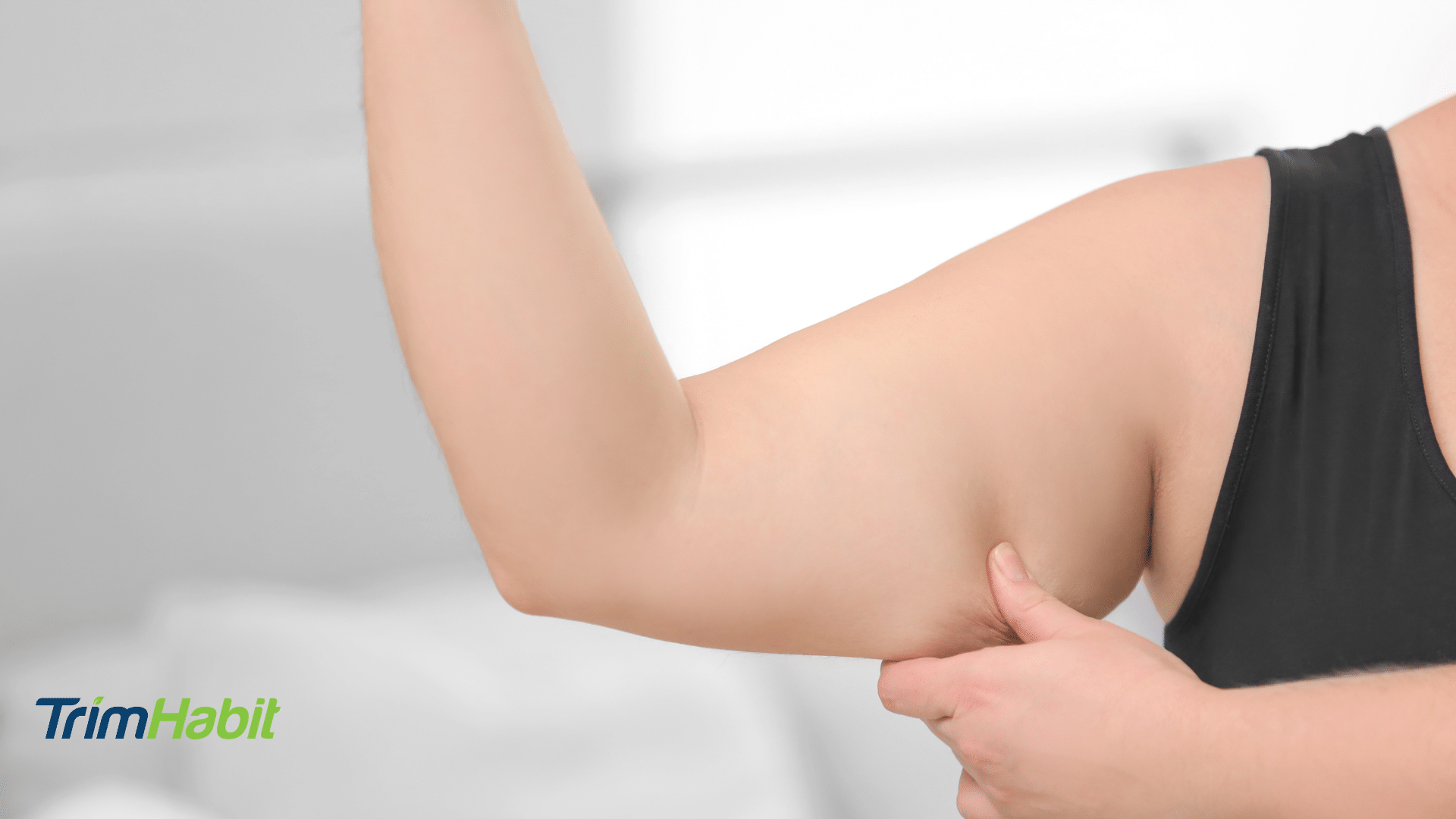
Losing a significant amount of weight can change more than the number on the scale. If you are taking semaglutide and losing weight quickly, you may notice loose or less firm skin around areas such as your abdomen, arms, thighs, or face.
Knowing how to manage loose skin during rapid weight loss on semaglutide can help you understand what changes to expect and what may help as your body adjusts. Factors such as age, genetics, the amount of weight lost, the rate of weight loss, and skin elasticity can all affect how noticeable loose skin becomes.
Why Does Loose Skin Happen During Semaglutide Weight Loss?
Your skin is designed to stretch and contract as your body changes. It contains structural proteins such as collagen and elastin that help give it strength, flexibility, and resilience.
When you gain weight, the skin gradually expands to accommodate the increased body size. If the skin remains stretched for an extended period, its ability to fully contract after weight loss may diminish.
As you lose body fat, there is also less tissue underneath the skin to fill the same amount of space. The result can be skin that looks:
- Loose
- Wrinkled
- Saggy
- Crepey
- Deflated
- Less firm than before
Significant weight loss from any method, including dietary changes, bariatric surgery, increased physical activity, or GLP-1 medications, can leave excess skin.
Semaglutide itself should therefore not automatically be blamed for loose skin. Rather, the visible changes are largely due to the loss of the volume that previously supported the stretched skin.
Facial changes can sometimes be especially noticeable. When facial fat decreases substantially, the cheeks, temples, jawline, and area around the mouth may appear more hollow or less supported. This can make fine lines, wrinkles, or sagging more visible.
What Determines How Much Loose Skin You Will Have?
Two people can lose the same amount of weight and have completely different experiences with loose skin.
Several factors can influence how your skin responds.
Age
Skin gradually loses collagen and elasticity as you get older. Younger skin may have a greater ability to adapt to changes in body size, although age alone does not determine whether someone will develop loose skin.
Amount of Weight Lost
The greater the loss of body volume, the more noticeable excess skin may become.
Someone losing 15 pounds may have a very different experience from someone losing 75 or 100 pounds.
How Long You Carried Extra Weight
Skin that has remained stretched for many years may not contract as easily as skin that was stretched for a shorter period.
Genetics
Genetics can influence:
- Collagen production
- Skin thickness
- Elasticity
- Fat distribution
- How quickly your skin shows signs of aging
Sun Exposure
Years of excessive ultraviolet exposure can break down collagen and elastin, potentially reducing the skin’s ability to remain firm.
Smoking
Smoking is associated with accelerated skin aging and collagen damage, which may make skin quality worse over time.
Previous Weight Changes
Repeated cycles of weight gain and loss may stretch the skin multiple times.
Pregnancy, hormonal changes, previous obesity, and stretch marks may also influence how the skin looks after weight loss.
Ultimately, some factors are within your control, and others are not. That is why managing loose skin should focus less on achieving “perfect” skin and more on supporting healthy body composition and realistic long-term results.
How To Manage Loose Skin During Rapid Weight Loss On Semaglutide
Prioritize Resistance Training While Losing Weight
One of the most helpful steps you can take during weight loss is resistance training.
When you lose weight, not every pound necessarily comes from body fat. Some lean tissue can also be lost, especially when calorie intake is significantly reduced.
Losing too much muscle may make certain parts of the body appear softer or more deflated.
Maintaining or building muscle will not remove excess skin, but stronger underlying muscles may improve your overall shape while supporting:
- Strength
- Balance
- Mobility
- Bone health
- Metabolic health
- Long-term weight maintenance
Useful forms of resistance training may include:
- Free weights
- Resistance bands
- Weight machines
- Bodyweight squats
- Lunges
- Modified push-ups
- Rows
- Step-ups
- Hip bridges
Beginners do not need an extreme bodybuilding program.
A consistent routine that gradually challenges major muscle groups is more important than lifting very heavy weights immediately.
Eat Enough Protein During Semaglutide Treatment
Semaglutide commonly reduces appetite, which can make it easier to maintain a calorie deficit. However, significantly reduced hunger can sometimes make it difficult to eat enough protein and other essential nutrients.
Protein is especially important during weight loss because it supports:
- Muscle maintenance
- Muscle recovery
- Tissue repair
- Immune function
- Normal metabolic processes
- Overall strength
Try to include a meaningful source of protein with your meals instead of reaching the end of the day and realizing you have eaten very little.
Examples of protein-rich foods include:
- Eggs
- Chicken
- Turkey
- Fish
- Lean meat
- Greek yogurt
- Cottage cheese
- Milk
- Tofu
- Tempeh
- Lentils
- Beans
- Edamame
Protein needs vary depending on your:
- Body size
- Age
- Activity level
- Medical conditions
- Kidney function
- Overall calorie intake
- Weight-loss goals
There is no single protein target that is appropriate for everyone taking semaglutide.
If your appetite has become so low that it is difficult to meet your nutritional needs, talk with your healthcare provider or a registered dietitian instead of forcing yourself to follow an arbitrary high-protein target.
Don’t Try To Lose Weight As Fast As Possible
It can be exciting to see the scale move quickly, but faster weight loss should not become the goal by itself.
Semaglutide should be taken according to the dosing plan prescribed by your healthcare professional.
Avoid trying to speed up your results by:
- Taking additional semaglutide
- Increasing your dose early
- Severely restricting calories
- Skipping most meals
- Combining multiple weight-loss medications without medical supervision
- Using unapproved “fat-burning” supplements
- Excessively exercising while under-eating
There is also no guarantee that deliberately losing weight more slowly will completely prevent loose skin.
People sometimes hear that slow weight loss gives the skin enough time to “catch up,” but skin elasticity is influenced by many other factors, including genetics, age, previous stretching, and total weight loss.
Instead of focusing on the fastest possible weekly loss, focus on maintaining adequate nutrition, strength, hydration, and a sustainable treatment plan.
Contact your healthcare provider if you experience:
- Persistent vomiting
- Frequent diarrhea
- Inability to eat enough
- Significant weakness
- Dizziness
- Rapid unexplained muscle loss
- Signs of dehydration
- Weight loss that is much faster than expected
Stay Well Hydrated
Water will not tighten large amounts of excess skin, but adequate hydration supports normal skin function and overall health.
Semaglutide can sometimes cause gastrointestinal side effects such as nausea, vomiting, diarrhea, or reduced appetite. These can make it harder for some people to consume enough fluids.
Helpful hydration habits may include:
- Drinking fluids regularly throughout the day
- Keeping water nearby
- Drinking additional fluids around exercise when appropriate
- Eating water-rich foods such as fruits, soups, and vegetables
- Monitoring for signs of dehydration
Possible signs of inadequate hydration include:
- Dark urine
- Dry mouth
- Dizziness
- Headache
- Weakness
- Reduced urination
People with kidney disease, heart failure, or other conditions requiring fluid restrictions should follow their healthcare provider’s specific recommendations instead of automatically increasing fluid intake.
Build A Nutrient-Dense Diet
Your skin and muscles need more than protein.
A nutrient-dense diet provides vitamins, minerals, essential fats, fiber, and antioxidants needed for normal body function.
Certain nutrients are particularly relevant to skin and tissue health.
Vitamin C
Vitamin C contributes to normal collagen production.
Food sources include:
- Citrus fruits
- Strawberries
- Kiwi
- Bell peppers
- Tomatoes
- Broccoli
Zinc
Zinc contributes to normal tissue repair and wound healing.
Sources include:
- Meat
- Seafood
- Dairy products
- Beans
- Nuts
- Seeds
Healthy Fats
Healthy fats support normal skin function and overall nutrition.
Useful sources may include:
- Olive oil
- Avocado
- Nuts
- Seeds
- Fatty fish
Protein
Protein provides amino acids needed throughout the body, including for muscles and connective tissue.
Rather than relying heavily on supplements marketed specifically for loose skin, aim for a varied diet that includes:
- Vegetables
- Fruits
- Protein-rich foods
- High-fiber carbohydrates
- Whole grains when appropriate
- Healthy fats
This is especially important when semaglutide substantially reduces your appetite because every meal becomes an opportunity to give your body the nutrients it needs.
If you frequently skip meals because you have almost no appetite or experience symptoms such as significant fatigue, weakness, or hair loss, speak with your healthcare provider.
Take Care Of Your Skin
Healthy skincare will not eliminate large folds of excess skin, but it can improve comfort, hydration, and the appearance of dry or crepey skin.
A basic skincare routine may include:
- Washing with a gentle cleanser
- Avoiding very hot showers
- Applying moisturizer after bathing
- Using fragrance-free products if your skin is sensitive
- Protecting exposed skin from the sun
- Avoiding harsh scrubbing
Applying moisturizer while the skin is slightly damp can help trap moisture.
Ingredients such as ceramides, glycerin, and hyaluronic acid may help support hydration and the skin barrier.
Protect Your Skin From The Sun
Sun protection matters because ultraviolet radiation contributes to collagen breakdown and premature skin aging.
Helpful habits include:
- Wearing broad-spectrum SPF 30 or higher sunscreen
- Reapplying sunscreen when outdoors for extended periods
- Wearing hats or protective clothing
- Seeking shade during the strong midday sun
- Avoiding intentional tanning
Sun protection cannot reverse significant loose skin, but it can help prevent additional damage to collagen and skin elasticity.
Prevent Irritation In Skin Folds
Loose skin can become more than a cosmetic concern when folds rub against each other repeatedly.
Areas such as the abdomen, breasts, groin, upper thighs, or arms may trap sweat and moisture.
This can contribute to:
- Chafing
- Redness
- Odor
- Itching
- Rashes
- Skin breakdown
- Fungal or bacterial infections
To reduce irritation:
- Gently wash skin folds regularly.
- Dry the area thoroughly.
- Wear breathable clothing.
- Change sweaty clothing after exercise.
- Avoid heavily fragranced products on irritated skin.
- Consider supportive clothing when exercising.
- Avoid repeatedly scratching or scrubbing irritated areas.
See a healthcare provider if you develop persistent redness, pain, drainage, foul odor, open sores, or a rash that does not improve.
Give Your Skin Time After Weight Loss
Your appearance on the day you reach your target weight is not necessarily your final result.
Your body can continue changing as you:
- Maintain your new weight
- Build or preserve muscle
- Exercise consistently
- Improve your nutrition
- Allow your skin and tissues time to adapt
This is why cosmetic decisions generally should not be rushed while you are actively losing a significant amount of weight.
If you still have substantial weight to lose, having skin-removal surgery too early may result in more loose skin as your body continues changing.
A stable weight also helps a plastic surgeon more accurately evaluate which areas may benefit from treatment.
Do Collagen Supplements Help Loose Skin?
Collagen supplements are heavily marketed for skin health, especially among people experiencing weight-loss-related skin changes.
Some research suggests certain collagen peptides may support modest improvements in measures such as skin hydration or elasticity1.
However, supplements should not be expected to remove or dramatically tighten significant excess skin.
Collagen powder cannot physically eliminate a large abdominal fold after major weight loss.
If you want to try collagen supplements, treat them as optional nutritional products rather than a cure for loose skin.
You should also speak with your healthcare provider before taking supplements if you:
- Take multiple medications
- Have kidney problems
- Are pregnant or breastfeeding
- Have food allergies
- Have another medical condition affecting your diet
Do Skin-Tightening Creams Work?
Creams can help moisturize the skin and temporarily make its surface appear smoother or more hydrated.
Some products containing retinoids or other active ingredients may also improve aspects of skin texture or fine lines.
However, creams cannot remove significant excess skin.
Be cautious of products promising to:
- “Melt away” loose skin
- Permanently tighten severe sagging
- Replace surgery
- Restore all lost collagen within days
- Eliminate excess skin without weight stabilization
These claims are often unrealistic.
What About Non-Surgical Skin-Tightening Treatments?
People with mild to moderate skin laxity sometimes explore treatments involving:
- Radiofrequency
- Ultrasound
- Laser treatments
- Microneedling
- Other energy-based devices
Some treatments may stimulate collagen remodeling or create modest tightening in selected patients.
However, the results vary.
Non-surgical procedures generally cannot reproduce the degree of improvement possible with surgery when a person has a large amount of excess skin.
For facial changes following significant weight loss, a dermatologist or plastic surgeon may also discuss options such as:
- Dermal fillers
- Fat transfer
- Laser treatments
- Skin resurfacing
- Energy-based tightening procedures
- Surgical lifting procedures
The right treatment depends on whether your main concern is lost volume, wrinkles, skin laxity, or a combination of these changes.
When Is Skin-Removal Surgery An Option?
For significant excess skin after major weight loss, surgery provides the most definitive way to physically remove extra tissue.
Possible procedures include:
- Abdominoplasty or tummy tuck
- Arm lift
- Thigh lift
- Lower body lift
- Breast lift
- Neck lift
- Facial lifting procedures
The type of surgery depends on which areas are affected and your individual goals.
Good candidates generally need to have:
- A relatively stable weight
- Good overall health
- Realistic expectations
- Adequate nutrition
- No uncontrolled medical conditions
- A clear understanding of surgical scars and recovery
Skin-removal surgery is not a minor treatment.
Potential risks can include:
- Bleeding
- Infection
- Scarring
- Fluid accumulation
- Poor wound healing
- Changes in sensation
- Blood clots
- The need for additional procedures
Discuss the risks and benefits with a board-certified plastic surgeon.
When Loose Skin Becomes A Medical Concern
For some people, loose skin is mainly a cosmetic issue. For others, it can interfere with daily life.
Speak with a healthcare provider if excess skin causes:
- Frequent rashes
- Recurrent infections
- Open sores
- Painful chafing
- Difficulty keeping folds clean and dry
- Difficulty exercising
- Limited mobility
- Significant discomfort while walking
- Persistent skin inflammation
Keeping records or photos of recurring skin problems may also be helpful if you eventually discuss reconstructive or skin-removal procedures with your healthcare team.
Can You Completely Prevent Loose Skin On Semaglutide?
No. There is no reliable way to prevent loose skin completely after substantial weight loss. How much you develop depends largely on your skin’s elasticity, age, genetics, how much weight you lose, and how long your skin has been stretched.
You can still support your body during weight loss by:
- Eating enough protein to help preserve muscle
- Doing resistance training to maintain muscle mass
- Staying adequately hydrated
- Protecting your skin from sun damage and avoiding smoking
These habits support muscle and skin health, but they cannot guarantee that excess skin will not develop. If you have significant loose skin, it may become less noticeable over time, but substantial excess skin may not fully tighten on its own.
Final Thoughts
Loose skin can happen after substantial weight loss on semaglutide, particularly when the skin has been stretched for a long time. It is not something you can completely control, and protein, exercise, hydration, or skincare cannot guarantee that excess skin will disappear.
Some loose skin may become less noticeable as your weight stabilizes and your body adjusts. If significant excess skin remains and causes discomfort or affects how you move, talk with a healthcare professional about your options.