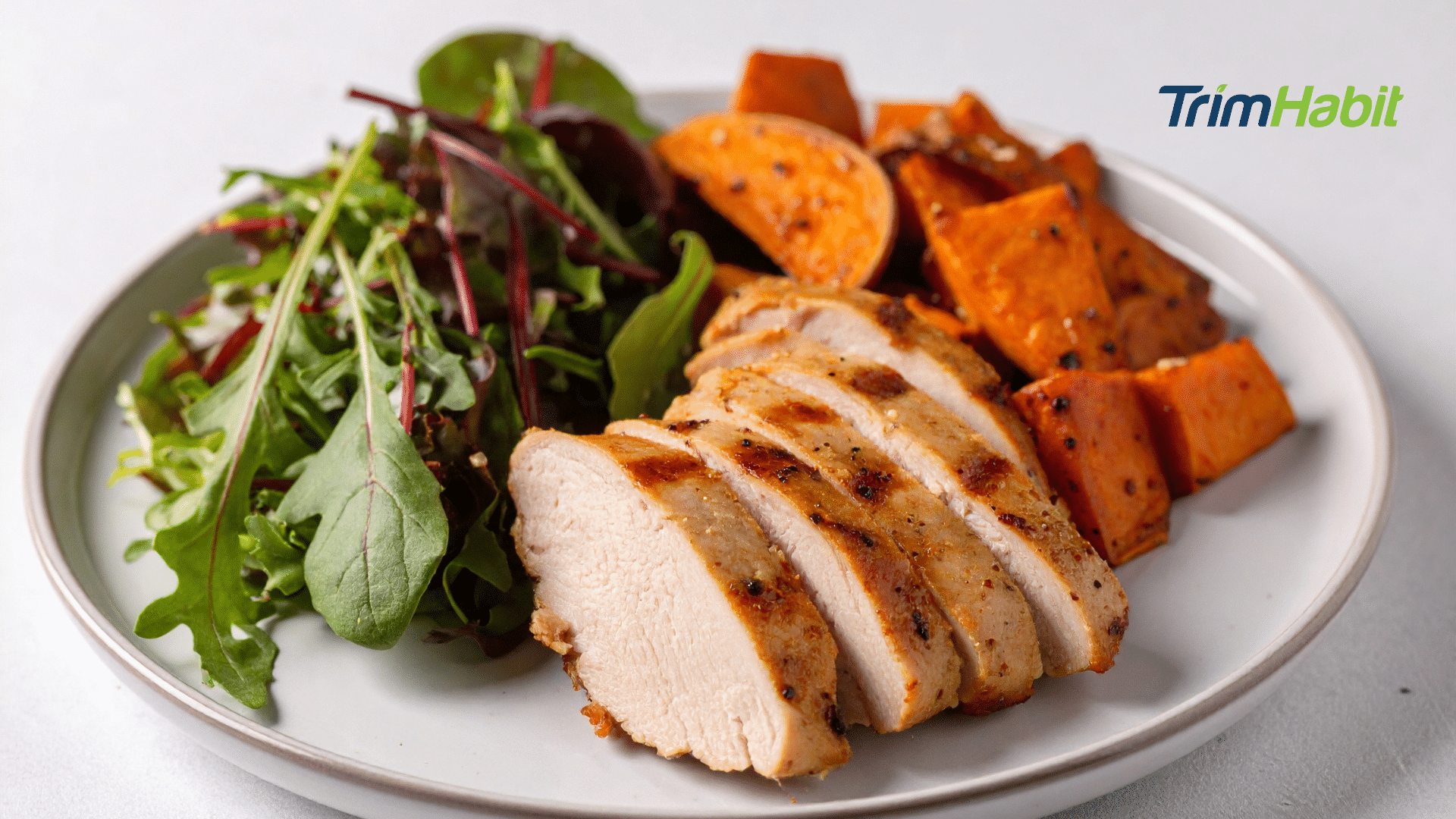
Dinner can be harder to figure out when you’re taking semaglutide. Your appetite may be smaller, and meals that once felt manageable might leave you feeling too full. At the same time, you still need enough protein to support your body during weight loss.
Finding easy high-protein dinners for semaglutide weight loss doesn’t have to mean preparing complicated meals or eating chicken every night. A few simple recipes using everyday ingredients can give you more variety while helping you meet your nutritional needs.
Why Protein Matters When You’re Taking Semaglutide
Semaglutide works by mimicking glucagon-like peptide-1 (GLP-1), a hormone involved in blood sugar regulation and appetite control. It helps increase feelings of fullness, reduces hunger, and slows stomach emptying.
These effects can make it easier to eat less, which contributes to weight loss. However, a smaller appetite can also make it harder to consume enough protein and other essential nutrients.
This matters because weight loss does not come exclusively from body fat. Some lean body mass, which includes muscle, is also lost during weight reduction1. The amount varies between individuals and depends on factors such as the rate of weight loss, dietary intake, and physical activity.
Protein provides amino acids that your body uses to maintain and repair muscle tissue. Getting enough throughout the day can help support muscle preservation, particularly when combined with resistance exercises such as weight training.
Dinner is an opportunity to contribute a substantial amount toward your daily protein needs, especially if breakfast and lunch were relatively small.
How Much Protein Should Your Dinner Contain?
There is no single protein requirement that applies to everyone taking semaglutide. Your needs depend on your body weight, age, activity level, health conditions, and rate of weight loss.
General nutrition guidance for adults commonly uses 0.8 grams of protein per kilogram of body weight per day as a minimum reference. During active weight loss, higher amounts may be appropriate to support muscle preservation. Some clinical recommendations suggest approximately 1.2 to 1.6 grams per kilogram daily, although this range should be individualized2.
For people using obesity medications, a daily intake of at least 60 grams is commonly recommended, with higher amounts considered according to individual needs.
Rather than trying to get all your protein at dinner, distribute it across breakfast, lunch, and dinner. A dinner containing approximately 25 to 35 grams of protein can be a practical starting point for many adults.
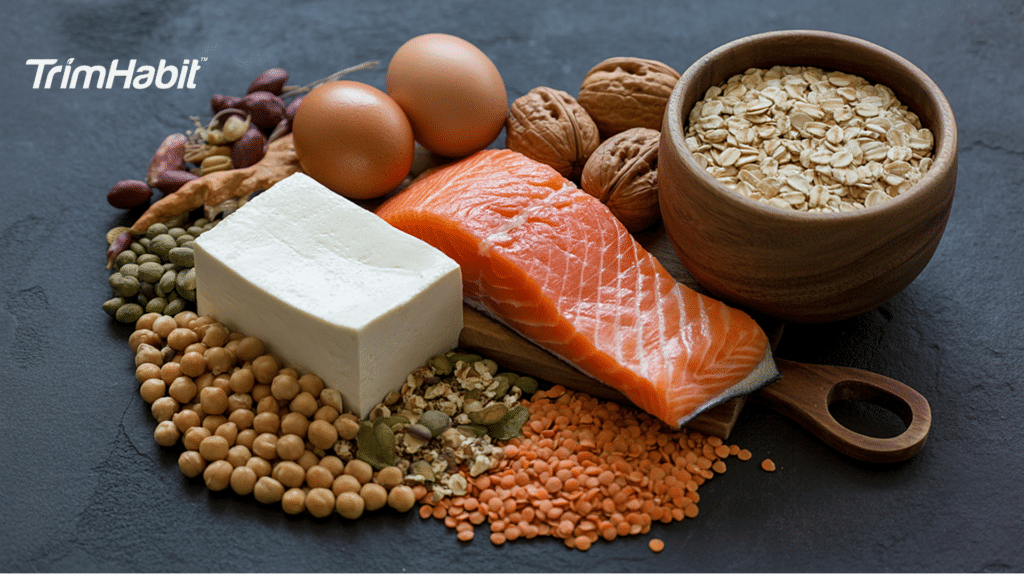
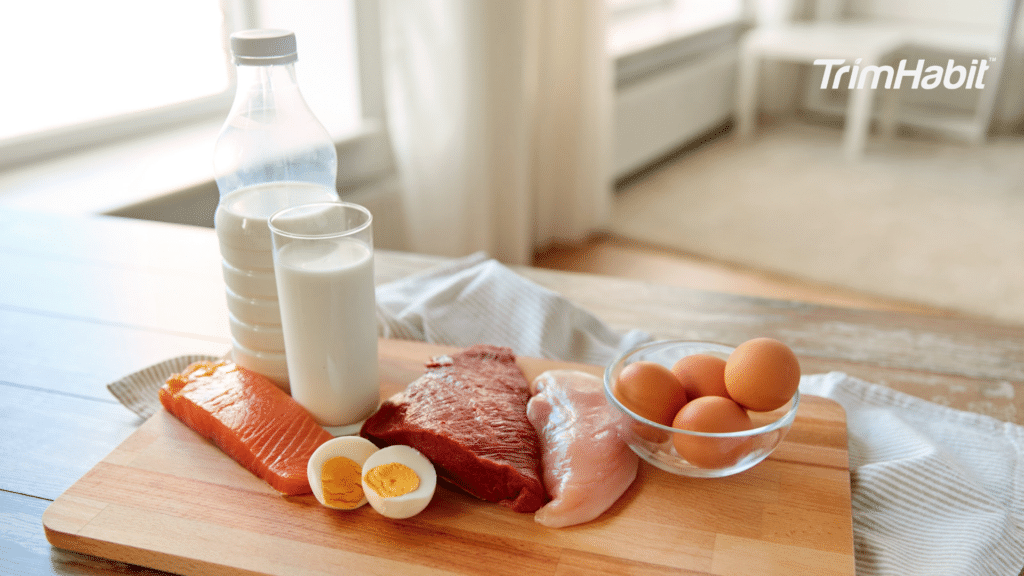
For example, you could get protein from:
- 100 grams of cooked chicken breast: approximately 31 grams
- 100 grams of cooked salmon: approximately 22 grams
- Two large eggs: approximately 12 to 13 grams
- 150 grams of firm tofu: approximately 18 to 24 grams, depending on the brand
- One cup of cooked lentils: approximately 18 grams
- 170 grams of plain Greek yogurt: approximately 17 to 18 grams
These amounts are estimates. Actual protein content varies by preparation, serving size, and product.
If you have kidney disease or another condition that affects protein requirements, discuss an appropriate daily target with your healthcare professional before increasing your intake.
12 Easy High-Protein Dinners For Semaglutide Weight Loss
The following dinner ideas use familiar ingredients and simple cooking methods. Each meal combines a protein source with other foods that provide fiber, vitamins, minerals, and energy.
Portions can be adjusted according to your appetite. You can also prepare smaller servings and save the rest for another meal rather than forcing yourself to finish a large plate.
1. Grilled Chicken With Roasted Vegetables
Grilled chicken breast is one of the easiest ways to add lean protein to dinner. It cooks relatively quickly, works with different seasonings, and pairs well with vegetables that provide fiber and essential nutrients.
For this meal, season a chicken breast with garlic, black pepper, paprika, lemon juice, and a little olive oil. Grill or pan-cook until the center reaches a safe internal temperature of 165°F (74°C).
Serve it with roasted zucchini, carrots, and broccoli. You can also add a small portion of brown rice or roasted potatoes if you want more carbohydrates.
A 100-gram serving of cooked chicken breast provides approximately 31 grams of protein. The vegetables contribute fiber and micronutrients, while the rice or potatoes provide additional energy.
Why it works on semaglutide: The meal is easy to portion and does not rely on heavy sauces or excessive oil. You can prepare the chicken and vegetables in advance, making dinner easier on evenings when your appetite is low.
If broccoli tends to cause bloating, use cooked zucchini, carrots, or green beans instead.
2. Baked Salmon With Sweet Potatoes
Salmon is a particularly useful dinner option because it provides both protein and omega-3 fatty acids. These fats support normal cardiovascular function and form part of a balanced eating pattern.
To prepare it, place a salmon fillet in a baking dish and season with lemon juice, garlic, black pepper, and a small amount of olive oil. Bake at 400°F (200°C) until the fish is cooked through.
Serve with roasted sweet potato and steamed green beans.
A 100-gram cooked salmon portion provides approximately 22 grams of protein. Sweet potatoes contribute carbohydrates, fiber, and beta-carotene, which your body converts into vitamin A.
Why it works on semaglutide: Salmon provides several nutrients in a relatively small serving. You can get protein, healthy fats, and important micronutrients without needing a large dinner.
One consideration is the fat content. Although salmon contains beneficial unsaturated fats, a large portion may feel too rich if you are experiencing nausea. Start with a smaller serving and adjust according to your tolerance.
3. Ground Turkey and Vegetable Rice Bowl
A ground turkey rice bowl is an easy way to prepare a balanced dinner without spending much time in the kitchen.
Cook lean ground turkey in a skillet with garlic, onion, black pepper, and a little low-sodium soy sauce. Add diced carrots, zucchini, and spinach. Allow the vegetables to soften before serving everything over a small portion of cooked brown rice.
For additional flavor, add fresh lemon juice or a little ginger.
A 100-gram serving of cooked lean ground turkey can provide approximately 27 to 29 grams of protein, depending on the fat content.
Why it works on semaglutide: You can control the portions of each ingredient and adjust the amount of rice according to your appetite. The combination also provides protein, carbohydrates, and vegetables in one convenient dish.
If you experience bloating, cook the vegetables thoroughly and use a smaller amount of onion or other ingredients that tend to trigger your symptoms.
4. Garlic Shrimp With Zucchini Noodles
If you prefer lighter dinners, garlic shrimp with zucchini noodles is a good alternative to heavier pasta dishes.
Shrimp is naturally high in protein and relatively low in fat. Cook peeled shrimp in a skillet with minced garlic, lemon juice, black pepper, and a small amount of olive oil.
Once the shrimp turns opaque and reaches an internal temperature of 145°F (63°C), remove it from the pan. Add spiralized zucchini and cook briefly until tender but not watery.
You can finish the dish with fresh parsley and a little grated Parmesan cheese.
A 100-gram serving of cooked shrimp provides approximately 24 grams of protein.
Why it works on semaglutide: Shrimp provides a substantial amount of protein without requiring a large serving. Zucchini also adds volume and nutrients without making the dish particularly heavy.
If zucchini noodles leave you hungry, add a small portion of whole-wheat pasta or another carbohydrate source. A satisfying dinner should provide enough energy, not just protein.
5. Chicken and Vegetable Soup
Soup can be especially appealing when your appetite is reduced or you do not feel like eating a heavy meal.
For a simple chicken soup, simmer chicken breast in low-sodium broth with carrots, celery, potatoes, and a little garlic. Once the chicken is cooked, shred it into smaller pieces and return it to the pot.
Add spinach toward the end of cooking and season with black pepper and fresh herbs.
A serving containing approximately 100 grams of cooked chicken can provide around 31 grams of protein, depending on how much chicken you include.
Why it works on semaglutide: The soft texture and warm broth may be easier to tolerate than a large, rich meal. You can also control the amount of chicken, vegetables, and broth in each serving.
However, soup should not become an excuse to eat too little. A broth-based bowl with only a few pieces of chicken may not provide enough protein or energy to function as a complete dinner.
Include a meaningful portion of chicken and some potatoes, rice, or whole-grain bread to make the meal more substantial.
6. Tofu and Vegetable Stir-Fry
You do not have to eat meat at every dinner to meet your protein needs. Tofu is a versatile plant-based option that absorbs seasonings and works well with vegetables.
Cut firm tofu into cubes and pat it dry before cooking. Pan-fry with a small amount of olive or sesame oil until lightly golden.
Add broccoli, carrots, bell peppers, and snap peas. Season with ginger, garlic, and a modest amount of low-sodium soy sauce.
Serve with brown rice or quinoa.
Depending on the type and amount used, 150 grams of firm tofu can provide approximately 18 to 24 grams of protein. Quinoa adds a little more protein along with carbohydrates and fiber.
Why it works on semaglutide: Tofu provides protein without requiring meat, and you can prepare it using relatively simple ingredients. It is also easy to portion and combine with different vegetables.
If beans, broccoli, or other high-fiber ingredients cause digestive discomfort, adjust the vegetables rather than eliminating plant-based protein altogether.
7. Baked Cod With Quinoa and Spinach
Cod is a lean fish that provides high-quality protein without the richer fat content of some other seafood.
Season a cod fillet with lemon juice, garlic, paprika, and black pepper. Bake at 400°F (200°C) until the fish flakes easily and reaches an internal temperature of 145°F (63°C).
Serve with cooked quinoa and sautéed spinach.
A 100-gram cooked portion of cod provides approximately 20 to 23 grams of protein. Quinoa contributes additional protein, carbohydrates, and minerals.
Why it works on semaglutide: This combination offers protein and other nutrients without relying on fried ingredients or creamy sauces. It is also relatively simple to prepare.
If you have difficulty eating a full portion, start with the fish and eat the remaining ingredients as your appetite allows. You can also prepare a smaller serving of quinoa and add more if needed.
8. Lean Beef and Vegetable Lettuce Wraps
Lean beef can fit into a balanced eating pattern when you choose appropriate portions and avoid relying on processed meat products.
For this dinner, cook lean ground beef with garlic, ginger, grated carrots, and finely chopped mushrooms. Season with a little low-sodium soy sauce and black pepper.
Spoon the mixture into washed lettuce leaves and serve with a small portion of brown rice.
A 100-gram serving of cooked lean ground beef generally provides around 25 to 27 grams of protein, although the amount varies with the cut and fat content.
Why it works on semaglutide: Lettuce wraps make it easy to serve smaller portions without preparing an elaborate meal. The beef provides protein, while the vegetables add fiber and micronutrients.
Choose leaner cuts and use only a modest amount of cooking oil. If raw lettuce is uncomfortable during periods of nausea, serve the beef over cooked vegetables instead.
9. Egg and Cottage Cheese Vegetable Scramble
Eggs are useful when you need a quick dinner but do not have time to cook meat or fish.
Whisk two eggs with a few spoonfuls of cottage cheese. Cook the mixture in a nonstick skillet over low to medium heat, stirring gently.
Add spinach, diced tomatoes, and mushrooms. Serve with whole-grain toast or a small roasted potato.
Two large eggs provide approximately 12 to 13 grams of protein. Half a cup of cottage cheese can contribute another 12 to 14 grams, depending on the brand.
Together, these ingredients can provide approximately 25 grams of protein before counting the other foods.
Why it works on semaglutide: The ingredients are inexpensive, easy to find, and quick to prepare. You can also adjust the serving size without changing the recipe.
This is a practical dinner for evenings when your appetite is particularly low. However, eggs alone may not provide enough food for everyone, so include a carbohydrate source and vegetables to make the meal more complete.
10. Chicken and Black Bean Burrito Bowl
A burrito bowl offers a convenient combination of protein, fiber, and carbohydrates.
Start with cooked chicken breast, black beans, brown rice, diced tomatoes, and lettuce. Add a small amount of avocado and season with lime juice, cumin, and cilantro.
A 100-gram serving of cooked chicken provides approximately 31 grams of protein. Half a cup of black beans contributes around 7 to 8 grams.
Together, they provide approximately 38 to 39 grams of protein before counting the rice and other ingredients.
Why it works on semaglutide: The ingredients provide different nutrients in one meal. Chicken and beans supply protein, while beans and vegetables contribute fiber. Rice provides energy that helps make the bowl more satisfying.
However, black beans contain fermentable carbohydrates that may cause gas or bloating in some people. If you experience digestive discomfort, start with a smaller serving, rinse canned beans thoroughly, or substitute a different protein source.
You can also leave out spicy salsa if it aggravates heartburn or nausea.
11. Baked Chicken Meatballs With Tomato Sauce
Homemade chicken meatballs are an easy alternative to traditional beef or pork meatballs, especially if you want a dinner you can prepare in batches.
Combine lean ground chicken with one egg, a small amount of breadcrumbs, minced garlic, parsley, and black pepper. Shape into small meatballs and bake at 400°F (200°C) until the center reaches 165°F (74°C).
Serve with a moderate amount of tomato sauce and whole-wheat pasta. Add cooked zucchini or spinach for extra vegetables.
The protein content depends on the amount of chicken used, but a serving made with approximately 100 grams of cooked ground chicken can provide around 25 to 28 grams.
Why it works on semaglutide: Meatballs are easy to divide into smaller portions, and you can prepare several servings at once. The tomato sauce also adds flavor without requiring a heavy cream-based sauce.
If acidic foods trigger reflux, use a smaller amount of tomato sauce or choose a mild alternative.
12. Tuna and White Bean Salad Bowl
A tuna and white bean bowl is a useful dinner when you want something that requires very little cooking.
Combine canned tuna in water with rinsed white beans, diced cucumber, tomatoes, and fresh parsley. Add lemon juice, black pepper, and a small amount of olive oil.
Serve over leafy greens or with whole-grain toast.
A 100-gram serving of canned tuna can provide approximately 23 to 26 grams of protein, depending on the variety. Half a cup of white beans adds approximately 7 to 8 grams.
Why it works on semaglutide: This dinner provides protein from two different sources, along with fiber from the beans and vegetables. It is also convenient when you do not feel like preparing a hot meal.
Choose canned tuna with lower sodium when possible. Because some tuna varieties contain more mercury than others, vary your seafood choices rather than relying on tuna every day.
What Should You Include In A Balanced Semaglutide Dinner?
High-protein dinners should provide more than protein alone. Your body still needs carbohydrates, fats, fiber, vitamins, and minerals while you are losing weight.
A useful way to build dinner is to include three main components.
1. A protein source
Choose chicken, turkey, fish, shrimp, eggs, tofu, lean beef, Greek yogurt-based sauces, or beans. Protein should have a clear place in your meal rather than being limited to a small garnish.
2. Vegetables or another fiber-rich food
Add cooked vegetables, leafy greens, beans, or other produce that you tolerate well. These foods provide fiber and micronutrients that may become harder to obtain when your overall food intake decreases.
3. A source of carbohydrates and healthy fats
Include brown rice, potatoes, quinoa, whole-grain pasta, or whole-grain bread. Add moderate portions of olive oil, avocado, nuts, or seeds when appropriate.
Carbohydrates are not something you need to eliminate to lose weight while taking semaglutide. They provide energy and can make meals more satisfying.
Likewise, dietary fat supports normal body functions and helps your body absorb fat-soluble vitamins. The amount you include should reflect your nutritional needs and digestive tolerance.
Foods To Limit If You Experience Digestive Discomfort
You do not need to follow a highly restrictive diet while taking semaglutide. However, certain foods may aggravate nausea, reflux, bloating, or other gastrointestinal symptoms.
Pay attention to how you feel after eating rather than automatically removing entire food groups.
Some common triggers include:
- Greasy and fried foods: Fried chicken, heavily buttered dishes, and greasy takeout meals may worsen nausea or make you feel overly full.
- Very spicy meals: Chili-heavy sauces and spicy seasonings may aggravate reflux or stomach discomfort.
- Large amounts of creamy sauces: Rich cheese sauces, cream-based pasta, and heavy dressings can be difficult to tolerate.
- Large servings of high-fiber foods: Beans, cruciferous vegetables, and raw salads may cause gas or bloating, particularly when you increase your intake quickly.
- Large meals close to bedtime: Eating a substantial dinner shortly before lying down may worsen reflux for some people.
You do not have to avoid every food on this list. Your tolerance may change during treatment, particularly when your dose increases.
If symptoms are persistent, severe, or interfere with your ability to eat and drink, contact your healthcare professional. Severe or persistent abdominal pain, repeated vomiting, or signs of dehydration require prompt medical attention.
Frequently Asked Questions
Can You Eat Chicken Every Day While Taking Semaglutide?
Yes, chicken can be part of your regular eating pattern while taking semaglutide. It provides high-quality protein and is relatively easy to prepare using different cooking methods.
However, eating chicken every day is not necessary. Including fish, eggs, tofu, beans, dairy, and other protein sources gives you more variety and helps provide a wider range of nutrients.
Should You Eat Dinner if Semaglutide Makes You Less Hungry?
A reduced appetite does not mean your body no longer needs food. Your body still requires protein, carbohydrates, fats, vitamins, and minerals to maintain normal functions.
If you are not particularly hungry, try a smaller, nutrient-dense meal rather than automatically skipping dinner. A modest serving of chicken soup, eggs with toast, or fish with cooked vegetables may be easier to manage.
If your appetite is so low that you regularly struggle to meet your nutritional needs, discuss this with your healthcare professional.
Are Protein Shakes a Good Alternative to Dinner?
Protein shakes can help supplement your protein intake when eating a full meal is difficult. However, most basic protein shakes do not provide all the nutrients you would get from a balanced dinner.
If you use a shake as a meal replacement, consider its protein content, calories, fiber, vitamins, minerals, and other ingredients. A shake blended with Greek yogurt, fruit, and milk may provide more nutrition than protein powder mixed with water alone.
Use meal replacements according to your nutritional needs rather than relying on them as your primary source of food.
Can Eating More Protein Help Prevent Muscle Loss on Semaglutide?
Adequate protein intake can help support muscle maintenance during weight loss, but it cannot prevent all muscle loss on its own.
Resistance training is also important. Exercises such as squats, lunges, resistance-band movements, and weight training provide a stimulus that helps maintain muscle strength and function.
Combining sufficient protein with regular strength training is more useful for muscle preservation than simply increasing protein intake without changing your activity level.
Final Thoughts
Eating enough protein while taking semaglutide can be challenging when your appetite is smaller and large meals no longer feel comfortable. However, dinner does not need to be complicated to provide the nutrients your body needs.
Simple meals such as grilled chicken with vegetables, baked salmon, shrimp stir-fry, tofu bowls, and chicken soup can help you increase your protein intake without relying on oversized portions or elaborate recipes.
Focus on including a good protein source, adding vegetables, and choosing carbohydrates and healthy fats that support your nutritional needs. Adjust the portion sizes and cooking methods according to how well you tolerate different foods.
Most importantly, do not let a reduced appetite lead to consistently inadequate food intake. Weight loss involves more than watching the number on the scale. Getting enough protein, maintaining a varied diet, and including strength-training exercises can help support your health and muscle function while your weight changes.
With a little preparation and a selection of easy recipes, you can make high-protein dinners a practical part of your semaglutide weight-loss routine.