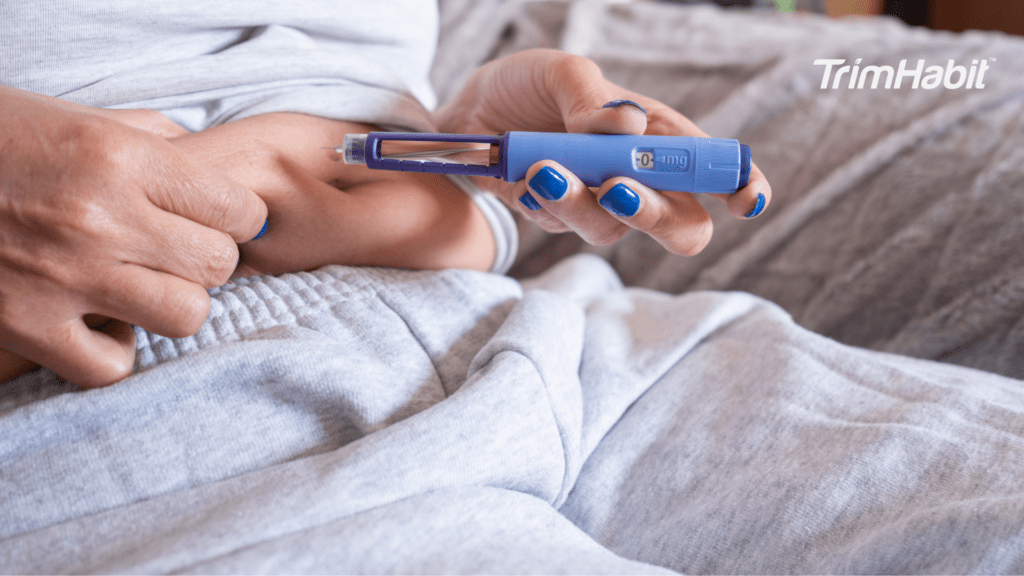
Ozempic has become widely known for helping people manage type 2 diabetes and lose weight, but it’s also sparked conversations about the physical changes that can happen during treatment.
One question many people ask is what is ozempic body and how to avoid losing muscle, especially if they want to lose fat without losing strength.
The term “Ozempic Body” is often used online, but it’s commonly misunderstood. In this article, you’ll learn what it means, why it happens, and how to help preserve muscle while taking Ozempic.
What Is Ozempic Body?
If you’ve spent any time on social media, you’ve probably seen someone mention ozempic body while showing a dramatic before-and-after transformation. Although the phrase isn’t a medical diagnosis, it’s become a popular way to describe the physical changes some people notice after losing a significant amount of weight while taking Ozempic or medications like it.
The term doesn’t refer to one specific change. Instead, it’s often used to describe a combination of changes that may occur as body fat decreases, including a slimmer appearance, reduced muscle definition, and changes in skin firmness. Not everyone experiences these changes, and they can vary depending on factors such as age, genetics, activity level, and how much weight is lost.
People commonly use the term to describe:
- A leaner appearance after significant weight loss
- Reduced fullness in certain areas
- Less visible muscle tone
- Changes in body contours
- Mild to more noticeable skin laxity
Rather than being a side effect of Ozempic itself, “Ozempic Body” is simply a nickname for the way some people’s appearance changes as they lose body fat.
Why Is Everyone Talking About Ozempic Body?
As Ozempic has become more widely used, before-and-after photos have flooded social media, making appearance-related changes a frequent topic of conversation. Along with success stories, terms like “Ozempic Body,” “Ozempic Face,” and “Ozempic Butt” have become part of the online discussion, leading many people to wonder whether these changes are inevitable.
While those photos can be informative, they rarely tell the whole story. They don’t show someone’s nutrition, exercise routine, starting weight, or how long they’ve been taking the medication. That’s why it’s important to separate social media trends from what research actually tells us.
Does Ozempic Actually Cause Muscle Loss?
One of the biggest concerns surrounding Ozempic is whether it causes muscle loss. The medication doesn’t directly break down muscle tissue. Instead, it reduces appetite, making it easier to eat fewer calories. While that’s what helps drive weight loss, eating too little can also make it harder to maintain healthy muscles if you aren’t consuming enough protein or staying active.
During any calorie deficit, your body primarily burns fat for energy, but it can also lose some lean muscle mass, especially when protein intake is low or resistance exercise is missing. Research suggests that semaglutide users lose both fat and lean tissue, making muscle preservation an important part of treatment1.
Maintaining muscle mass helps:
- Support metabolism
- Improve body composition
- Maintain strength and mobility
- Create a firmer appearance
- Reduce fatigue during weight loss
The good news is that muscle loss isn’t inevitable. With the right nutrition and exercise habits, you can preserve much of your muscle while continuing to lose fat.
Why Can Ozempic Change Your Appearance?
One reason “Ozempic Body” has become such a popular topic is that people often expect to become a smaller version of themselves. In reality, fat is stored throughout the body, so losing it naturally changes your overall appearance. As fat stores shrink, your face, arms, hips, and other areas may become more defined, sometimes in ways you didn’t expect.
The speed of your progress also matters. Some people experience rapid weight loss, giving their skin and underlying tissues less time to adapt. Age, genetics, and previous weight fluctuations further influence how noticeable these changes become.
That’s why two people taking Ozempic can lose a similar amount of weight but look completely different afterward. Fortunately, there are practical ways to preserve muscle and support healthy-looking skin throughout treatment.
How To Avoid Losing Muscle While Taking Ozempic
If you’re taking Ozempic, the goal shouldn’t be to lose weight as quickly as possible. The better approach is to lose fat while preserving strength and maintaining as much healthy muscle as you can. This is where many people unintentionally run into problems. Because Ozempic reduces appetite so effectively, it’s easy to eat far less than your body needs, especially during the first few months of treatment.
Protecting muscle doesn’t require an extreme fitness routine. A few consistent habits can help you maintain your strength and get better results from treatment.
Make Protein A Priority
One of the most important things you can do is eat enough protein. Protein provides the amino acids your body uses to repair and maintain muscle tissue. When calorie intake drops, your protein intake often declines as well, which can make it harder to preserve lean muscle.
Rather than trying to eat most of your protein in one meal, aim to include a protein source every time you eat. This is especially helpful if Ozempic makes large meals feel uncomfortable.
Good options include:
- Chicken or turkey
- Fish and seafood
- Eggs
- Greek yogurt
- Cottage cheese
- Tofu and tempeh
- Beans and lentils
- Lean cuts of beef
- A protein shake if recommended by your healthcare provider
If you’re struggling to finish meals, focus on nutrient-dense foods instead of filling up on foods that provide very little protein.
Don’t Skip Strength Training
Walking is excellent for your cardiovascular health, but it isn’t enough to maintain muscle during significant weight loss. To preserve muscle, you should include some form of strength training in your routine.
That doesn’t mean you have to become a bodybuilder or spend hours lifting weights. Even two or three resistance-training sessions each week can encourage your body to maintain muscle as it continues burning fat.
Exercises such as squats, lunges, push-ups, rows, resistance-band workouts, and dumbbell exercises are all effective options. What matters most is staying consistent rather than trying to do too much too soon.
Maintaining muscle can also improve posture, balance, and muscle tone, giving your physique a firmer, more defined appearance as you lose body fat.
Avoid Losing Weight Too Quickly
It can be tempting to eat as little as possible when the scale is moving in the right direction. However, very aggressive calorie restriction increases the likelihood of losing muscle alongside fat.
A steadier pace gives your muscles, skin, and metabolism more time to adapt. It also makes the process easier to sustain over the long term, which is important because maintaining your results is just as important as achieving them.
Stay Active Beyond Workouts
Exercise doesn’t begin and end with a gym session. Daily movement plays an important role in preserving strength and supporting overall health.
Walking, cycling, swimming, gardening, and other enjoyable activities help keep you active while complementing your resistance-training routine. Many people notice that they have more energy and move more naturally as their weight decreases, which is another reason to stay active throughout the process.
Can You Prevent Loose Skin While Taking Ozempic?
Alongside concerns about muscle loss, many people worry about loose skin. The honest answer is that no strategy can guarantee you won’t experience it, but healthy habits can improve the way your skin adapts during weight loss.
Your skin stretches over time to accommodate increased subcutaneous fat. When that fat decreases, the skin gradually tries to shrink to match your new size. How well it does that depends on factors such as your age, genetics, smoking history, sun exposure, and the amount of weight you’ve lost.
Healthy habits that support skin health include:
- Staying well hydrated.
- Eating enough protein.
- Including vitamin C-rich foods in your diet.
- Avoiding smoking.
- Protecting your skin from excessive sun exposure.
- Maintaining a stable weight once you reach your goal.
These habits support your body’s natural repair processes and help promote collagen production, which is important for maintaining healthy tissue over time.
Another important point is that your appearance may continue to change after you reach your goal weight, especially as your weight stabilizes. If you’re concerned about loose skin, it’s generally best to wait until your weight has remained stable before deciding whether any cosmetic treatment is necessary.
Can Treatments Help Improve Ozempic Body?
Even if you’ve done everything “right,” you may still notice changes that don’t improve as much as you’d hoped after your weight stabilizes. That’s because some aspects of Ozempic body are influenced by factors you can’t control, such as age, genetics, and how much weight you lost. Fortunately, if you’re unhappy with certain changes, there are treatments that may help depending on your concerns and the severity of those changes.
Before considering any cosmetic procedure, it’s worth giving your body time to adjust. After reaching your goal weight, your skin may continue adapting for several months. In some people, the appearance gradually improves as the body settles into its new weight and skin rebounds as much as its natural elasticity allows. While this doesn’t happen for everyone, waiting until your weight has stabilized usually gives you a better idea of which concerns may resolve on their own and which ones may benefit from treatment.
Non-Surgical Treatments
People with mild to moderate skin changes often begin by exploring non-surgical or non-invasive treatments before considering surgery. These procedures don’t remove loose skin, but they may help improve firmness in individuals who still have good skin elasticity.
Many of today’s advanced treatments work by using heat or other forms of energy beneath the surface of the skin to stimulate collagen and encourage the body to repair itself naturally. As new collagen develops, the skin may gradually become firmer and smoother over the following months.
Some of the most commonly used skin tightening procedures rely on radiofrequency energy to stimulate collagen production deep within the tissue. Others use ultrasound or laser technology with the same general goal of encouraging healthy collagen production. While these treatments can’t recreate the results of surgery, they may be appropriate for people with mild skin laxity who want gradual improvement without downtime2.
It’s important to keep expectations realistic. These procedures can help improve skin quality, but they aren’t designed to eliminate large amounts of hanging tissue. If you’ve experienced massive weight loss or have significant skin laxity, the improvement may be limited.
When Is Surgery Worth Considering?
For some people, lifestyle changes and cosmetic treatments simply aren’t enough. If you have a large amount of extra skin, experience discomfort during daily activities, or develop irritation where skin folds rub together, it may be worth consulting a plastic surgeon.
A specialist can evaluate your concerns and determine whether plastic surgery is appropriate. Depending on the areas involved, recommended surgical procedures may include an arm lift, tummy tuck, thigh lift, or other forms of body contouring designed to remove excess skin after major weight loss.
In some situations, a surgeon may also recommend fat grafting as a way of restoring volume to areas that have become noticeably hollow after fat loss. This technique transfers fat from one area of the body to another, helping improve contours while creating a more balanced appearance.
Like any operation, cosmetic surgery comes with risks, recovery time, and financial considerations. For that reason, it’s generally reserved for people whose weight has been stable for several months and who have realistic expectations about the results.
Looking Beyond Appearance
The conversations surrounding Ozempic often focus on appearance, but it’s important not to lose sight of the bigger picture. Reaching a healthier weight can improve mobility, support better blood sugar control, reduce stress on your joints, and lower your risk of many obesity-related conditions. Those health benefits shouldn’t be overshadowed by concerns about cosmetic changes alone.
It’s also worth remembering that social media tends to highlight the most dramatic examples. Many patients taking Ozempic experience positive results without developing the extreme changes often shown in viral posts. Others may notice mild differences that improve over time or become much less noticeable once they begin building strength and maintaining healthy habits.
Instead of comparing your progress to someone else’s, focus on creating a plan that supports both your health and your confidence. That means eating nutritious foods, staying physically active, preserving muscle, and giving your body time to adapt to its new shape.
Final Thoughts: What Is “Ozempic Body” And How To Avoid Losing Muscle
The phrase “Ozempic Body” has attracted plenty of attention online, but it doesn’t describe a condition that’s unique to Ozempic or even recognized in medicine. Instead, it’s a social media term that people use to describe the physical changes that can happen as body fat decreases during treatment.
Although you can’t control every change in your appearance, you can influence many of the factors that affect how your body responds. Eating enough protein, including regular strength training, and avoiding overly aggressive weight loss can help preserve muscle while you continue making progress.
If you’re considering Ozempic or you’re already taking it, remember that the number on the scale is only one measure of success. Paying attention to your strength, nutrition, and health can help you get the most out of treatment while reducing the likelihood of unwanted changes. If you have concerns about muscle loss, loose skin, or other physical changes, talk with your healthcare provider before making changes to your treatment plan.