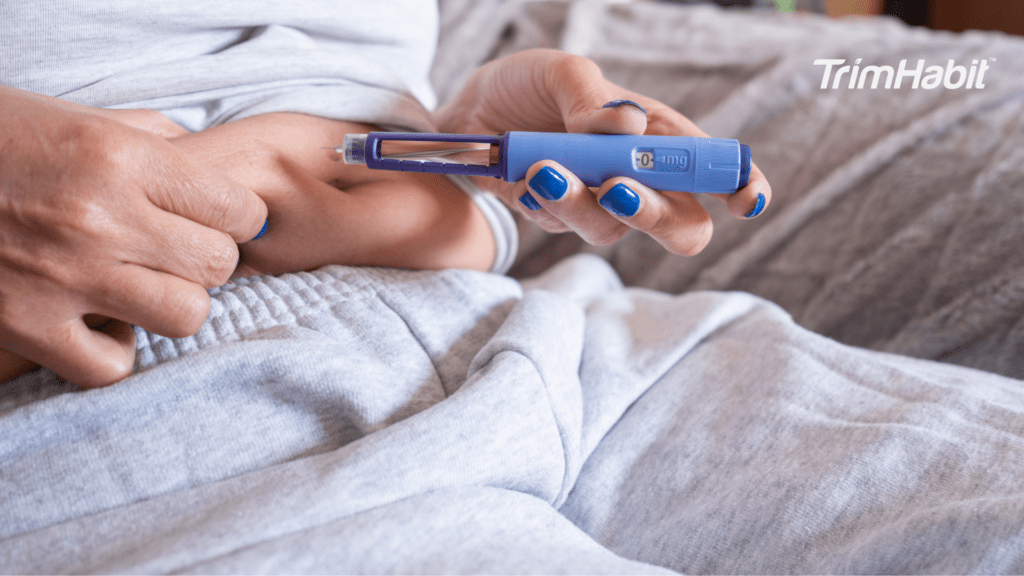
Losing weight after menopause can be frustrating, especially when the same habits that once worked no longer produce the same results. Changes in hormone levels can affect metabolism, appetite, fat distribution, and energy levels, making weight management feel more challenging than it did before.
As a result, many women are exploring semaglutide for weight loss after menopause to help overcome these changes and support their health.
Although semaglutide has helped many people lose weight, the experience after menopause is not always the same for everyone. Hormonal changes, lifestyle habits, and individual health factors can all influence your results. Knowing what to expect can help you approach treatment with realistic expectations and a better understanding of how it may fit into your long-term weight management plan.
Why Weight Loss Can Be Harder After Menopause
Weight loss after menopause can feel more challenging because the body goes through hormonal, metabolic, and lifestyle changes. These changes can affect how the body stores fat, burns calories, and responds to diet and exercise.
Hormonal Changes Can Affect Fat Storage
One of the biggest reasons weight loss becomes harder after menopause is the drop in estrogen levels. Estrogen plays a role in how the body stores fat, and when levels decline, many women notice more weight around the belly area.
This can feel frustrating because your body may respond differently even if your eating habits have not changed much. Instead of storing fat more evenly, the body may begin holding onto abdominal fat more easily.
Metabolism Naturally Slows With Age
As the body gets older, metabolism tends to slow down. This means the body burns fewer calories at rest than it once did. After menopause, this slower calorie burn can make it easier to gain weight and harder to lose it.
Even small changes can add up over time. Eating the same portions or following the same routine from earlier years may no longer produce the same results.
Muscle Loss Can Make Weight Loss More Challenging
Muscle mass naturally decreases with age, and this can become more noticeable after menopause. Since muscle helps the body burn calories, losing muscle can further slow metabolism.
This is why strength training becomes especially helpful during and after menopause. Building and maintaining muscle can support metabolism, improve body composition, and make weight management more realistic.
Sleep Problems Can Lead to More Cravings
Menopause can also affect sleep. About 70% of postmenopausal women experience weight gain during this stage1. Hot flashes, night sweats, mood changes, and restlessness can make it harder to get quality rest. When sleep is poor, hunger hormones may become unbalanced, leading to stronger cravings and increased appetite.
Lack of sleep can also lower energy levels, making it harder to exercise or stay active during the day.
Stress May Contribute to Weight Gain
Midlife can be a stressful season for many women. Work, family responsibilities, health changes, and emotional adjustments can all increase stress levels.
When stress stays high, the body may produce more cortisol, a hormone linked to appetite and belly fat storage. Stress can also make it harder to maintain healthy habits.
What Is Semaglutide?
Semaglutide is a prescription medication used to help manage blood sugar levels and support weight loss in certain people. It works by mimicking glucagon-like peptide-1, a natural hormone that helps regulate appetite, digestion, and insulin release.
How Semaglutide Works
Semaglutide belongs to a class of medications called GLP-1 receptor agonists. GLP-1 is a hormone that helps regulate blood sugar and appetite. By acting like this hormone, semaglutide can help the body release insulin when blood sugar is high, may also improve insulin sensitivity, and can reduce insulin resistance in menopausal women while reducing how much sugar the liver makes.
It also slows the rate at which food leaves the stomach. This can help people feel full longer after eating, which may lead to eating less throughout the day.
Why Semaglutide Is Used for Weight Loss
Semaglutide can support weight loss by helping reduce appetite and cravings. It is one of several prescription weight loss medications used for adults with overweight or obesity. Many people taking it feel satisfied with smaller portions, making it easier to maintain a calorie deficit.
However, semaglutide is not a quick fix. It works best when combined with healthy eating habits, regular physical activity, and long-term lifestyle changes.
Semaglutide and Blood Sugar Control
Semaglutide was originally developed to help people with type 2 diabetes manage their blood sugar. It helps improve blood sugar control by supporting insulin secretion and reducing post-meal blood sugar spikes.
For people with type 2 diabetes, it may also help with weight management, an important part of overall health.
Common Forms of Semaglutide
Semaglutide is available in different forms, depending on the reason it is prescribed. Some versions are used for type 2 diabetes, while others are approved for chronic weight management.
It is commonly given as a once-weekly injection, though an oral tablet form is also available for diabetes management.
Possible Side Effects
Like any medication, semaglutide can cause side effects. The most common ones are digestive, such as nausea, vomiting, diarrhea, constipation, bloating, or stomach discomfort.
These side effects are often stronger when starting the medication or increasing the dose. That is why healthcare providers usually start with a lower dose and gradually increase it.
How Semaglutide May Help With Weight Loss After Menopause
Semaglutide may help support weight loss after menopause by targeting appetite, fullness, and blood sugar regulation. Since menopause can make weight management more difficult, this medication may be helpful for some women when combined with healthy eating, regular movement, and medical guidance.
It May Help Reduce Appetite
One way semaglutide may support weight loss is by helping reduce appetite. After menopause, hormonal changes can make cravings and hunger feel harder to manage for some women.
Semaglutide mimics the hormone GLP-1, which helps signal fullness to the brain. This may make it easier to feel satisfied with smaller portions and avoid overeating.
It Can Help You Feel Full Longer
Semaglutide slows the rate at which food leaves the stomach. This can help people feel fuller for a longer period after meals.
For women after menopause, this can be helpful because a slower metabolism and changing hunger cues may make portion control more challenging. Feeling full longer may make it easier to stay consistent with a balanced eating plan.
More stable blood sugar may help reduce sudden hunger, energy crashes, and cravings for sugary or high-carb foods. These effects may also offer metabolic benefits and support improving metabolic health after menopause.
It May Help With Belly Fat Over Time
Many women notice menopause-related weight gain around the midsection after menopause. While semaglutide does not target belly fat directly, overall weight loss may also reduce abdominal fat over time. In postmenopausal women, this may also reduce visceral fat and has been associated with about a 15.3% reduction in waist circumference2.
This can be important because belly fat is linked to a higher risk of metabolic health problems. Losing even a modest amount of weight may support better overall health.
Semaglutide For Weight Loss After Menopause: What To Expect
Starting semaglutide after menopause can feel encouraging, especially if weight loss has become harder despite diet and exercise efforts. While results can vary, many women use it as part of a larger plan that includes balanced meals, movement, strength training, and medical guidance.
Weight Loss May Happen Gradually
Semaglutide is not designed to cause overnight weight loss. Clinical studies have shown average total body weight loss of about 15% after 68 weeks, though individual results vary. Most people lose weight gradually as the dose increases and the body adjusts to the medication3.
For women after menopause, progress may feel slower at first because metabolism, hormones, and muscle mass can all affect weight loss. Even small, steady changes can still be meaningful over time.
Appetite May Decrease
One of the most common effects of semaglutide is reduced appetite. You may notice that you feel full sooner during meals or that you are less interested in snacking throughout the day.
This can make portion control easier, especially after menopause, when cravings and hunger patterns may differ from before.
Fullness May Last Longer
One reason semaglutide helps control appetite is that it keeps food in your stomach longer. Instead of feeling hungry an hour or two after eating, you may stay comfortably satisfied for much longer.
This can be helpful if you usually feel hungry soon after eating. However, it may also mean that large or heavy meals feel uncomfortable, especially during the first few weeks.
Digestive Side Effects Are Common
Some people experience nausea, constipation, diarrhea, bloating, vomiting, or stomach discomfort while taking semaglutide. These side effects are often more noticeable when starting the medication or increasing the dose.
Eating smaller meals, avoiding greasy foods, drinking enough water, and following your provider’s dosing instructions may help reduce discomfort.
Lifestyle Habits Still Matter
Semaglutide can support weight loss, but it works best when paired with healthy daily habits. Balanced meals, regular walking, strength training, and good sleep can all help improve results.
Strength training is especially important after menopause because it helps protect muscle mass. Maintaining muscle can support metabolism and make long-term weight management more sustainable.
Plateaus Can Happen
It is normal for weight loss to slow down or pause at different points. A plateau does not always mean the medication has stopped working.
After menopause, plateaus may occur due to changes in metabolism, activity levels, muscle mass, sleep, or calorie intake. Your provider may help adjust your plan if progress stalls.
Your Provider May Adjust the Dose Over Time
Semaglutide is usually started at a lower dose and increased gradually. This helps the body adjust and may reduce side effects.
Your healthcare provider will determine the appropriate dose based on your response, side effects, medical history, and treatment goals. You should not change your dose without medical guidance.
Results Can Vary From Person to Person
Not everyone loses weight at the same pace. Some women may notice appetite changes quickly, while others may take longer to see changes on the scale.
Age, menopause symptoms, sleep, stress, diet, activity level, medications, and health conditions can all affect results. Some research suggests women using semaglutide along with hormone therapy may have a stronger weight loss response, with about 30% greater weight loss in some analyses2.
Possible Side Effects To Know
Semaglutide can be helpful for weight loss, but like any medication, it may cause side effects. Most side effects are related to digestion and may improve as the body adjusts, but it is still important to know what to expect and when to speak with a healthcare provider.
Nausea
Nausea is one of the most common side effects of semaglutide. It may happen when starting the medication or after a dose increase.
Eating smaller meals, avoiding greasy foods, and stopping when you feel full may help reduce nausea. Some people also find that eating slowly makes symptoms easier to manage.
Vomiting
Some people may experience vomiting, especially if nausea becomes stronger. This can sometimes happen after eating large meals, rich foods, or meals that are hard to digest.
If vomiting continues or makes it hard to keep fluids down, it is important to contact a healthcare provider.
Constipation
Semaglutide slows digestion, which may lead to constipation for some people. This can feel uncomfortable and may include bloating, hard stools, or fewer bowel movements.
Drinking enough water, eating fiber-rich foods, and staying active may help support regular digestion.
Diarrhea
While some people experience constipation, others may have diarrhea. This may happen as the digestive system adjusts to the medication.
If diarrhea is frequent, severe, or leads to dehydration, it should be discussed with a healthcare provider.
Bloating and Stomach Discomfort
Bloating, gas, and stomach discomfort can also occur while taking semaglutide. Since the medication slows stomach emptying, food may stay in the stomach longer than usual.
Eating smaller portions and avoiding very heavy meals may help ease discomfort.
Reduced Appetite
A lower appetite is one reason semaglutide may help with weight loss. However, some people may find that they are eating too little, especially during the early stages of treatment.
It is still important to get enough protein, nutrients, and fluids to support energy, muscle, and overall health. Significant weight loss is possible, but eating too little can make it harder to protect muscle and meet nutrient needs.
Fatigue
Some people may feel tired while taking semaglutide. This can happen if they are eating less than usual, not drinking enough water, or adjusting to changes in blood sugar and appetite.
If fatigue continues, it may help to review food intake, hydration, sleep, and medication dose with a healthcare provider.
Lifestyle Habits That Can Improve Results
Semaglutide may help support weight loss after menopause, but daily habits still play a big role in long-term success. The right routine can help protect muscle, support metabolism, reduce side effects, and make results easier to maintain.
Prioritize Protein at Each Meal
Protein is important for maintaining muscle, especially after menopause, when muscle loss can happen more easily. Since muscle helps support metabolism, getting enough protein can make weight management more sustainable.
Good options include eggs, fish, chicken, Greek yogurt, cottage cheese, tofu, beans, and lean meats. Protein can also help you feel fuller between meals.
Add Strength Training
Strength training is one of the most helpful habits for women after menopause. It helps build and protect muscle, supports bone health, and may improve body composition as weight loss happens.
This does not always mean heavy lifting. Bodyweight exercises, resistance bands, dumbbells, or guided strength workouts can all be useful when done consistently.
Stay Active Throughout the Day
Regular movement can support weight loss and overall health. Walking, stretching, taking the stairs, cleaning, gardening, or light daily activity can all help increase calorie burn.
Even if you already exercise, small movements throughout the day still matter. Staying active can also help with digestion, mood, and energy.
Eat Smaller, Balanced Meals
Because semaglutide slows digestion, large meals may feel uncomfortable or cause nausea. Smaller meals with protein, fiber, and healthy fats may be easier to tolerate.
Balanced meals can also help keep blood sugar steady and prevent energy crashes. Try to avoid eating past the point of fullness, especially while your body is adjusting to the medication.
Drink Enough Water
Hydration is especially important while taking semaglutide. Some people may eat and drink less because their appetite is lower, which can increase the risk of dehydration or constipation.
Drinking water throughout the day can support digestion, energy, and overall comfort. It may also help reduce headaches and fatigue.
Focus on Fiber-Rich Foods
Fiber can help support digestion, fullness, and blood sugar balance. This can be especially helpful if semaglutide causes constipation.
Good sources of fiber include vegetables, fruits, oats, beans, lentils, chia seeds, and whole grains. It is best to increase fiber slowly to avoid extra bloating.
Get Enough Sleep
Sleep affects hunger, cravings, energy, and weight management. After menopause, sleep can be disrupted by hot flashes, night sweats, stress, mood swings, or hormonal changes.
Creating a calming bedtime routine, limiting late caffeine intake, and maintaining a consistent sleep schedule may help improve sleep. Better sleep can also make it easier to stay active and make balanced food choices.
Manage Stress
Stress can affect appetite, cravings, sleep, and motivation. For some women, it may also increase the likelihood of emotional eating.
Simple habits like walking, deep breathing, journaling, stretching, prayer, meditation, or quiet time can help lower stress. The goal is not to remove stress completely, but to manage it more healthily.
Limit Greasy and Sugary Foods
Greasy, fried, or very sugary foods may worsen nausea, bloating, or stomach discomfort while taking semaglutide. These foods can also make it harder to stay in a healthy calorie range.
You do not have to eat perfectly, but choosing mostly whole, nutrient-dense foods can help improve results and reduce digestive issues.
Stay Consistent With Follow-Ups
Regular check-ins with a healthcare provider are important while using semaglutide. Your provider can monitor progress in body weight, side effects, dose changes, and overall health.
This is especially important after menopause because weight, hormones, blood sugar, muscle mass, and other health factors can all affect results.
Summary
Semaglutide may help support menopausal women dealing with menopause weight gain by reducing appetite, increasing fullness, and helping with portion control. This can be especially helpful because many women find it harder to manage their appetite and lose weight after menopause. At the same time, semaglutide may also support better insulin sensitivity and lower cardiometabolic risk, including cardiovascular disease risk. However, results are usually gradual and can vary from person to person. For the best outcome, semaglutide should be used under medical guidance and paired with healthy habits such as protein-rich meals, strength training, regular movement, adequate water intake, quality sleep, and stress management while working toward a healthy weight.