Trying to eat well while managing a busy schedule is challenging enough. The appetite-suppressing effects of semaglutide can make mealtime feel like an afterthought, leaving many people craving simpler, lighter dinners that provide balanced nutrition with minimal effort. That’s where one-pot cooking comes in.
These simple one-pot meals for busy semaglutide users focus on comfort, nutrition, and ease. With minimal prep and cleanup, they help you stay nourished, maintain steady energy, and enjoy weeknight dinners without overwhelming your appetite or your schedule.
Let’s make eating well a whole lot simpler.
Semaglutide Overview
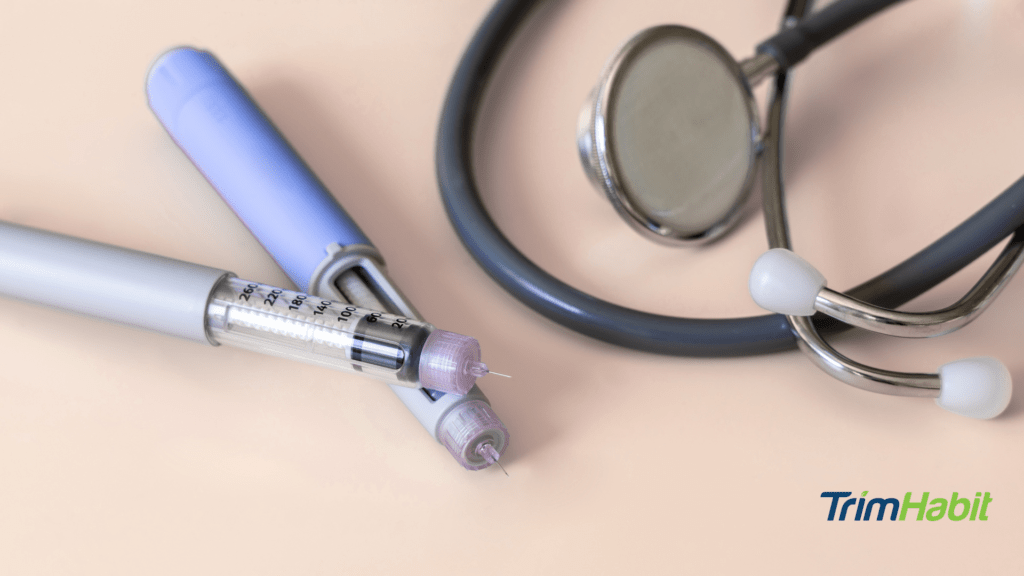
Semaglutide is a GLP-1 receptor agonist, part of a class of medications that mimic a natural hormone called glucagon-like peptide-1. This hormone helps regulate appetite, digestion, and blood sugar levels1.
It is available under brand names such as:
- Ozempic® – typically associated with type 2 diabetes
- Wegovy® – approved for chronic weight management
- Rybelsus® – an oral form for type 2 diabetes
How It Works
Semaglutide primarily acts by:
- Improving insulin secretion when blood glucose is high
- Slowing gastric emptying, helping you feel full longer
- Reducing appetite by acting on appetite-control centers in the brain
- Lowering glucagon levels, which reduces excess glucose production
These combined effects make it beneficial for weight loss, weight reduction, and glucose control.
Formulations
- Injectable (weekly)
- Oral tablet (daily – Rybelsus)
Nutrition Practices For Semaglutide Users
Semaglutide changes how your body handles appetite, digestion, and satiety. As a result, thoughtful eating habits and related practices become essential for preventing side effects, maintaining muscle, and supporting long-term health.
Below are the most valuable practices to follow:
Prioritize Protein
Why: Semaglutide reduces appetite, making it easy to under-eat. Too little protein can lead to muscle loss as you lose weight.
Targets (general guidance, not medical advice):
- Aim for protein in every meal.
- Focus on high-quality sources:
- Poultry, fish, lean meat
- Eggs
- Greek yogurt, cottage cheese
- Tofu, tempeh, legumes
- Protein shakes (if tolerated)
Tip: Start meals with protein to maximize fullness and stabilize blood sugar.
Eat Slowly & Choose Smaller Portions
Why: Semaglutide slows stomach emptying, so large or fast meals increase the risk of:
- Nausea
- Bloating
- Vomiting
- Reflux
Practical habits:
- Use smaller plates
- Pause between bites
- Stop eating before you feel full (the “fullness signal” is delayed)
Hydrate Consistently
Because appetite decreases, many people unintentionally reduce fluid intake.
Goals:
- Sip water throughout the day
- Incorporate electrolytes when exercising or during hot weather
- Include hydration-rich foods (fruits, vegetables, broths)
Avoid: Gulping large amounts at once as this can worsen nausea.
Choose Fiber-Rich, Gentle Foods
Fiber helps regulate digestion and prevent constipation, a common side effect of semaglutide. Increasing fiber too quickly, however, can cause gas or discomfort
Good options:
- Berries
- Oats
- Whole-grain toast
- Chia or flaxseed
- Cooked vegetables (easier to digest than raw)
Go slow: Increase fiber gradually and pair with water.
Emphasize Balanced, Nutrient-Dense Meals
With reduced appetite, “every bite counts.”
Focus on meals that include:
- Protein
- Healthy fats
- Fiber-rich carbohydrates
- Micronutrient-rich produce
Examples:
- Salmon + quinoa + steamed broccoli
- Chicken bowl with veggies + brown rice
- Tofu stir-fry
- Lentil soup with whole-grain bread
Avoid High-Fat, Greasy, or Large Meals
These foods are the top triggers for nausea and GI symptoms:
- Fried foods
- Heavy cream sauces
- Fast food
- Big restaurant entrées
Semaglutide users commonly feel best with:
- Smaller meals
- Moderate fat portions
- Simple, lightly prepared foods
Watch Out for Liquid Calories
Drinks with lots of calories or sugar can cause low-calorie issues :
- Rapid glucose spikes
- Unexpected weight regain
- GI discomfort
Limit:
- Soda
- Sugary coffee drinks
- Juice-heavy smoothies (unless protein/fiber balanced)
Protect Micronutrient Intake
Low appetite = lower nutrient intake.
Key nutrients people often fall short on:
- Iron
- B12
- Calcium
- Vitamin D
- Potassium
Strategy: Eat a variety of whole foods. If your intake is low, talk with a healthcare professional about supplements.
10 Simple One-Pot Meals For Busy Semaglutide Users
1. Chicken & Veggie Quinoa Pot
Ingredients
- 1 lb chicken breast, diced
- 1 cup quinoa (rinsed)
- 1 cup carrots, diced
- 1 small onion, diced
- 2 cups baby spinach
- 3 cups chicken broth
- 1 tbsp olive oil
- 2 cloves garlic
- Juice of ½ lemon
- Salt + pepper
Instructions
- Heat oil in a pot; sauté chicken until lightly golden.
- Add onion, garlic, and carrots; cook 3–4 minutes.
- Add quinoa + broth; bring to a boil, then simmer for 15 minutes.
- Stir in spinach + lemon juice. Let stand for 5 minutes.
- Serve warm.
2. Turkey & White Bean Stew
Ingredients
- 1 lb lean ground turkey
- 1 can (15 oz) white beans, drained
- 1 cup celery, sliced
- 1 cup carrots, chopped
- 1 small onion, diced
- 4 cups chicken broth
- 1 tsp thyme
- 1 tbsp olive oil
Instructions
- Brown turkey in oil.
- Add onion, celery, and carrots; cook for 4 minutes.
- Add beans, thyme, and broth.
- Simmer for 20–25 minutes.
3. One-Pot Salmon & Rice
Ingredients
- 1 lb salmon, cubed
- 1 cup jasmine or brown rice
- 2 cups zucchini, sliced
- 3 cups broth
- 1 lemon (sliced or juiced)
- Dill, salt, pepper
Instructions
- Rinse rice; add to pot with broth.
- Cook for 10 minutes (brown rice: 25 minutes).
- Add zucchini.
- Place salmon cubes on top; cover and steam for 8–10 minutes.
- Add lemon + dill.
4. Red Lentil & Vegetable Curry (Light)
Ingredients
- 1 cup red lentils
- 1 cup carrots, sliced
- 1 tbsp curry powder
- 1 tsp turmeric
- 1 tbsp ginger + garlic
- 4 cups broth
- ¼ cup light coconut milk
- Salt
Instructions
- Combine lentils, carrots, spices, and broth in a pot.
- Simmer for 20 minutes until lentils and carrots are tender.
- Stir in coconut milk, season with salt, and heat through.
- Serve warm.
5. Light Chicken Tortilla Soup
Ingredients
- 2 cups shredded cooked chicken
- 1 can black beans, drained
- 1 cup corn
- 1 can diced tomatoes
- 4 cups broth
- 1 tsp cumin
- 1 tsp chili powder (mild)
Instructions
- Add everything to a pot.
- Simmer for 20 minutes.
- Top with a handful of baked tortilla strips (optional).
6. Greek Lemon Chicken Orzo
Ingredients
- 1 lb chicken breast, diced
- 1 cup orzo
- 3 cups broth
- 2 cups spinach
- Juice + zest of 1 lemon
- 1 tsp dill
- 1 tbsp olive oil
Instructions
- Brown chicken in oil.
- Add orzo + broth. Simmer for 10 minutes.
- Stir in spinach, lemon, and dill.
7. Shrimp & Veggie Stir-Fry Pot
Ingredients
- 1 lb shrimp
- 2 cups green beans
- 1 bell pepper
- 1 tbsp soy sauce
- 1 tbsp ginger + garlic
- ½ cup water
Instructions
- Sauté veggies 4–5 minutes.
- Add shrimp + water.
- Add soy sauce; cook until shrimp are pink.
8. Mild Turkey Chili
Ingredients
- 1 lb ground turkey
- 1 can of kidney or black beans
- 1 can of tomatoes
- 1 small onion
- 2 tsp mild chili powder
- 4 cups broth
Instructions
- Brown turkey + onions.
- Add remaining ingredients.
- Simmer for 25 minutes.
9. Lean Beef & Barley Soup
Ingredients
- 1 lb lean stew beef
- ¾ cup barley
- 2 cups carrots & celery
- 6 cups broth
- 1 bay leaf
Instructions
- Add all ingredients to the pot.
- Simmer for 45–60 minutes until the beef is tender.
10. Tofu & Veggie Miso Soup
Ingredients
- 1 block firm tofu, cubed
- 4 cups water or broth
- 2 tbsp miso paste
- 1 cup mushrooms
- 2 cups spinach
Instructions
- Simmer mushrooms + spinach for 5 minutes.
- Turn off the heat, stir in the miso.
- Add tofu cubes.
Tips For Cooking While On Semaglutide
Prioritize Moist, Saucy, or Brothy Dishes
Moist foods such as soups, stews, curries, and braised dishes are easier for your digestive system to handle and can help reduce nausea. The extra liquid content also makes swallowing easier and keeps meals gentle on your stomach.
Cook Foods Until They Are Soft and Easy to Digest
Gentle cooking methods like steaming, simmering, or slow cooking make foods tender and easier to digest. Softer textures help prevent stomach discomfort and allow you to enjoy meals even when appetite is low.
Make Protein the Center of Every Meal
Soft, moist proteins like shredded chicken, tofu, lentils, or fish help preserve muscle when appetite decreases. Remember, prioritizing protein also supports fullness and steady energy throughout the day.
Keep Seasoning Flavorful but Mild
Use gentle flavors like lemon, fresh herbs, garlic, and ginger to enhance taste without irritating the stomach. Avoid heavy, spicy, or greasy seasonings that can trigger nausea or digestive discomfort.
Cook With Balanced Macros in Mind
Include a mix of protein, cooked vegetables, slow-digesting carbohydrates, and moderate healthy fats in each meal. Balanced macros help maintain energy, support muscle, and prevent spikes or crashes in blood sugar.
Choose Cooking Methods That Maximize Hydration
Broth-rich dishes, water-heavy vegetables, and adding moisture when reheating can help you stay hydrated. Think of it as giving your stomach a gentle boost so it can handle meals more efficiently.
Prep Nausea-Friendly Foods
Keep gentle options like rice, broth, yogurt, crackers, steamed vegetables, or mashed potatoes on hand. Having these foods ready allows you to eat comfortably when your stomach is sensitive.
Use Time-Saving Tools
Slow cookers, Instant Pots, sheet-pan meals, frozen vegetables, and pre-chopped produce reduce cooking fatigue. These tools make it easier to prepare nutritious, stomach-friendly meals with minimal effort.
Keep Grab-and-Go Mini Meals Ready
Stock quick, high-nutrient snacks such as hard-boiled eggs, cottage cheese cups, fruit slices, and small soups. Having portable options ensures you can maintain energy and nutrition even on busy or low-appetite days.
Final Thoughts
For people taking semaglutide, focusing on simple, nutrient-rich meals can help support digestion, sustain energy, and make healthy eating easier without spending hours in the kitchen. Because semaglutide reduces appetite and slows digestion, it’s important to prioritize protein, eat smaller and slower meals, stay hydrated, choose gentle fiber sources, and limit greasy or heavy foods.
When preparing one-pot or meal-prep dishes, aim for soft-cooked vegetables, lean proteins, moderate healthy fats, brothy bases, mild seasonings, and slow-digesting carbohydrates. These strategies help your body handle food more comfortably, maintain energy, and get the most benefit from semaglutide.