What to do if you miss a semaglutide dose is a common question for people using this medication for weight management or blood sugar control, especially when life gets busy and routines are disrupted. Missing a dose can negatively impact blood sugar levels and glycemic control, potentially leading to weight gain and reduced effectiveness of medication. Missing a dose can feel concerning, but in most cases, it’s manageable with the right next steps.
Knowing how to respond can help you stay on track safely, minimize potential side effects, and protect the progress you’ve made. This article explains what to do if you miss a semaglutide dose, when to take your next injection, and when it’s best to check in with your healthcare provider—remember, following your treatment plan is key to maintaining progress and preventing complications.
What Is Semaglutide?
Semaglutide is a prescription medication used to help manage type 2 diabetes and chronic weight loss. It belongs to a class of medications known as GLP-1 receptor agonists, which mimic the action of glucagon-like peptide-1, a naturally occurring hormone involved in blood sugar regulation and appetite control1.
Understanding Semaglutide Dosing
Semaglutide dosing is intentionally structured to balance effectiveness with tolerability. Whether the medication is prescribed for type 2 diabetes or weight management, the dosing schedule follows a gradual progression designed to support safety, consistency, and long term success.
This medication is not meant to work immediately at full strength. Instead, it relies on a stepwise increase that allows your digestive system and appetite signaling pathways to adapt without overwhelming side effects.
Why Semaglutide Dosing Is Gradual
Semaglutide is introduced at a low dose and increased slowly for several important reasons:
- To minimize nausea, vomiting, bloating, and reflux
- To give the stomach time to adjust to slower emptying
- To reduce the risk of stopping treatment due to discomfort
- To improve medication tolerance over time
The initial dose is considered non-therapeutic. Its purpose is not to control blood sugar or support weight reduction. It serves as a preparation phase so your body can handle higher doses more comfortably.
Typical Dosing Schedules
Weight Loss (Wegovy® or Compounded Equivalents)
Weekly injection2
| Weeks | Dose |
|---|---|
| 1–4 | 0.25 mg |
| 5–8 | 0.5 mg |
| 9–12 | 1.0 mg |
| 13–16 | 1.7 mg |
| 17+ | 2.4 mg (maintenance) |
Some patients stay longer at a lower dose if side effects occur.
Type 2 Diabetes – Injection (Ozempic®)
Weekly injection3
| Weeks | Dose |
|---|---|
| 1–4 | 0.25 mg |
| 5+ | 0.5 mg |
| If needed | 1.0 mg (some up to 2.0 mg) |
It is essential to take your Ozempic dose as scheduled to maintain consistent treatment and prevent issues with blood sugar control or weight management. Always consult your healthcare provider before making any changes to your Ozempic dose.
Type 2 Diabetes – Oral (Rybelsus®)
Daily tablet (taken on an empty stomach)4
| Weeks | Dose |
|---|---|
| 1–4 | 3 mg |
| 5+ | 7 mg |
| If needed | 14 mg |
Tip: Eating smaller meals, avoiding high-fat foods, and staying hydrated can help.
When Dosing May Be Adjusted
Your provider may:
- Slow titration if side effects persist
- Pause dose increases
- Maintain a lower effective dose long-term
- Temporarily stop if severe GI symptoms occur
Key Safety Reminders
- Never increase doses faster than prescribed
- Do not share pens or medication
- Not recommended for people with certain thyroid cancers
- Must be used under medical supervision
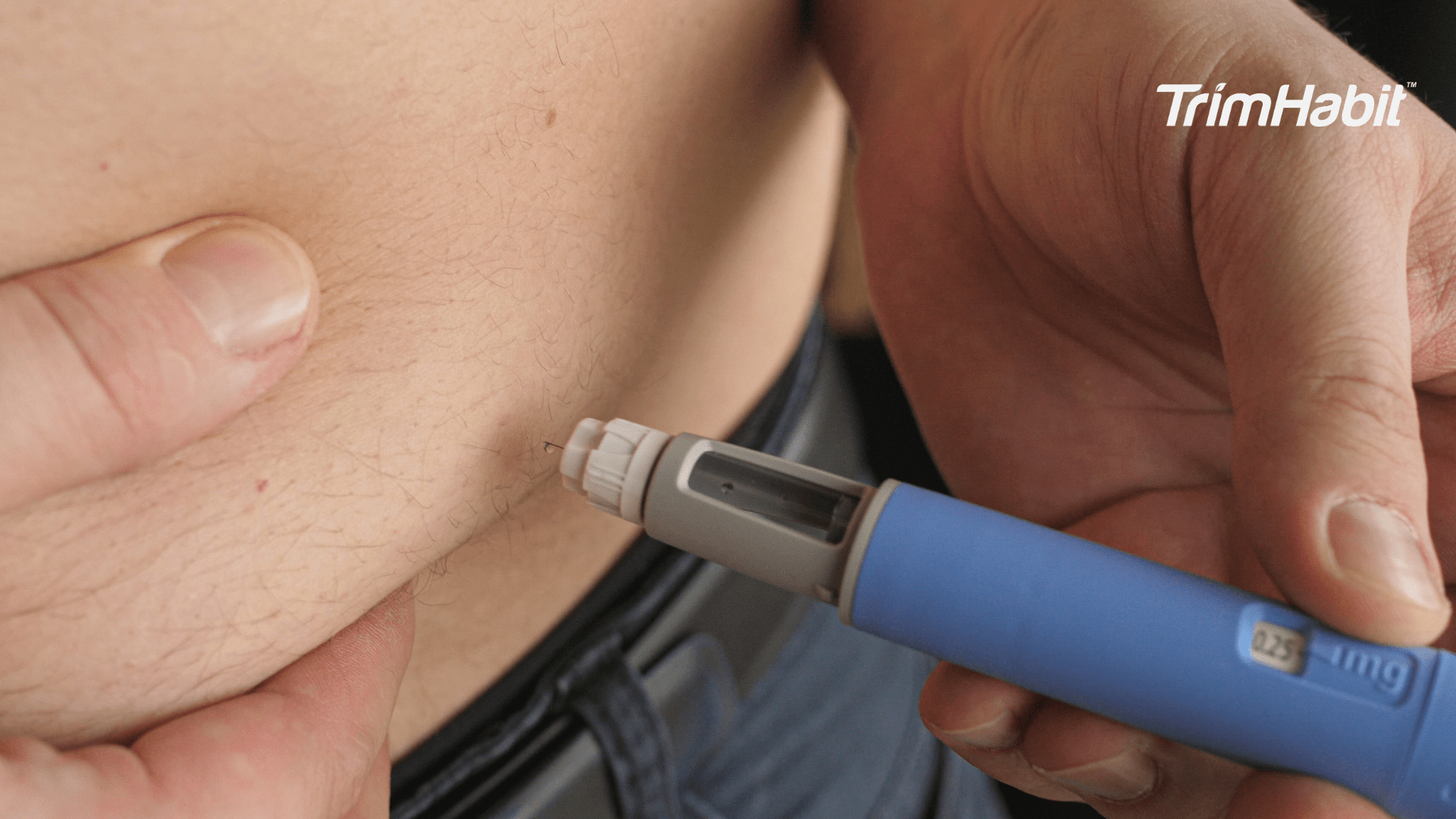
- It is essential to rotate injection sites (such as the upper arm, thigh, or stomach) with each semaglutide injection to avoid tissue damage.
What To Do If You Miss A Semaglutide Dose
Semaglutide works best when taken on a consistent schedule; however, missing a dose is familiar and usually manageable if handled correctly.
Missing a single dose is unlikely to cause severe long-term effects, but repeated missed doses can lead to weight gain and worsening diabetes.
If You Use Weekly Injectable Semaglutide
(Ozempic, Wegovy, Compounded Injections)
Semaglutide is administered as a weekly dose, specifically every 7 days, and maintaining this schedule is crucial for its effectiveness. Semaglutide injections remain in your system for several days, which is why timing is essential.
Missed dose by LESS THAN 5 DAYS
- Take the missed dose as soon as possible, within 5 days after the missed dose
- Resume your regular weekly dosing schedule afterward
Example:
- Scheduled dose: Monday
- You remember on Thursday → Take it on Thursday, next dose the following Monday
Missed dose by MORE THAN 5 DAYS
- Skip the missed dose
- Wait and take your next dose on your regular scheduled day
- Do NOT double doses to “catch up” — this increases side-effect risk
If You Use Daily Oral Semaglutide
(Rybelsus®)
Because it’s taken daily and absorbed differently:
- Skip the missed tablet
- Take your next dose the following day
- Never take two tablets in one day
Rybelsus must be taken:
- On an empty stomach
- With no more than 4 oz of water
- At least 30 minutes before food, drink, or other medications
If You Miss Multiple Doses
This is where extra caution is required.
Missed 1–2 weeks (Injectable)
- You may be able to resume your current dose
- Side effects may temporarily increase
- Contact your provider for guidance
Missed 3+ weeks
- You may need to restart at a lower dose
- Always check with your healthcare provider before restarting
What Side Effects Are More Likely After A Missed Dose
After a gap in semaglutide use, your body may lose some of the tolerance it previously built. When the medication is restarted, side effects can feel stronger or appear more suddenly than before, even if you return to a dose you had already tolerated.
Common symptoms may include:
- Nausea or queasiness, especially after eating
- Vomiting or stomach discomfort
- Changes in bowel habits, including diarrhea or constipation
- Abdominal bloating or pressure
- Fatigue or low energy
Some people also notice appetite suppression that feels more intense or abrupt than expected, which can make meals feel uncomfortable at first.
At the same time, missing doses can allow the medication’s appetite regulating effects to fade. During this gap, hunger and cravings may increase as appetite signals return. This fluctuation is normal and does not mean the medication has stopped working. Once semaglutide is taken consistently again, appetite control typically stabilizes, though restarting at a lower dose may help reduce digestive symptoms.
When To Contact Your Healthcare Provider
While many side effects of semaglutide are mild and temporary, some situations require medical guidance or immediate attention. Knowing when to reach out can help prevent complications and ensure a safe and effective treatment.
Miss Multiple Doses
- You missed two or more weekly injections
- You’re unsure how to restart after a break
- Restarting at the wrong dose can increase side effects
Your provider may recommend:
- Restarting at a lower dose
- Slowing dose escalation
- Temporary symptom management
Experience Persistent or Worsening Side Effects
Some side effects may signal that your current dose is no longer well tolerated, particularly after a missed or delayed injection. If symptoms continue or intensify after restarting semaglutide, it may be time to check in with your healthcare provider.
Symptoms that warrant attention include:
- Ongoing nausea or repeated vomiting
- Severe constipation or frequent diarrhea
- Abdominal bloating that does not ease with time
- Fatigue that interferes with normal daily activities
These symptoms do not necessarily mean the medication needs to be stopped, but they may indicate that a dose adjustment or slower titration is needed to restore tolerance.
Have Trouble Keeping Fluids Down
- Repeated vomiting
- Signs of dehydration:
- Dark or minimal urine
- Dizziness or lightheadedness
- Dry mouth or lips
- Rapid heartbeat
Dehydration can become a serious condition if left untreated.
When To Seek Urgent Medical Care
While serious complications from semaglutide are uncommon, certain symptoms require immediate medical attention.
Severe Abdominal Pain
Intense or persistent abdominal pain, especially if it radiates to the back or is accompanied by vomiting or fever, should not be ignored. These symptoms may indicate pancreatitis, which is rare but serious.
Possible Gallbladder Related Symptoms
Pain in the upper right abdomen, discomfort after eating fatty foods, nausea with fever, or yellowing of the skin or eyes can point to gallbladder issues and should be evaluated promptly.
Signs of an Allergic Reaction
Swelling of the face, lips, tongue, or throat, difficulty breathing, or the appearance of a severe rash or hives are medical emergencies.
If any of these symptoms occur, seek urgent medical care or contact emergency services immediately.
Tips To Avoid Missing Future Doses
Staying consistent with semaglutide dosing helps maximize results, reduce side effects, and maintain steady medication levels. These strategies can make adherence easier and more reliable.
1. Choose a Consistent Dosing Day and Time
- Pick the same day each week for injectable semaglutide
- Choose a time that fits your routine (e.g., Sunday evening)
- Avoid days that are frequently busy or unpredictable
Consistency is more important than the time of day
2. Set Multiple Reminders
- Phone alarms
- Calendar alerts
- Medication reminder apps
- Smartwatch notifications
Tip: Set a second reminder a few hours later as a backup.
3. Pair Your Dose With an Existing Routine
Link your dose to something you already do every week:
- After dinner
- Before bedtime
- During weekly self-care routines
- On trash day or grocery day
This “habit stacking” makes doses easier to remember.
4. Keep Medication Visible but Safe
- Store medication in a visible place (while following storage instructions)
- Avoid placing it out of sight where it can be forgotten
- Use a designated medication container or tray
Always keep out of reach of children and pets.
5. Track Your Doses
- Use a printed dosing calendar
- Check off each dose after taking it
- Keep a medication log or journal
- Take note of side effects or symptoms
Tracking reinforces consistency and helps your provider identify any necessary adjustments.
6. Prepare for Travel or Schedule Changes
- Pack medication ahead of time
- Use temperature-safe storage when traveling
- Bring alcohol swabs, needles (if applicable), and sharps containers
- Set travel-specific reminders
Time zone changes do not require dose changes—keep the same weekly schedule.
7. Refill Early
- Monitor how many doses remain
- Request refills at least 1–2 weeks in advance
- Set pharmacy refill reminders
Running out of medication is a common cause of missed doses.
8. Manage Side Effects Proactively
Fear of side effects can lead to skipped doses.
- Eat smaller meals on dosing day.
- Avoid high-fat foods
- Stay hydrated
- Communicate side effects early with your provider
Better tolerance supports more consistent dosing and helps maintain the medication’s effectiveness.
9. Use Support and Accountability
- Ask a family member or partner to remind you
- Join a patient support group
- Share your dosing day with someone you trust
External accountability increases adherence.
10. Managing Missed Semaglutide Doses
Knowing how to respond to a missed dose helps you avoid unnecessary stress and dosing mistakes:
- Reduces anxiety
- Prevents unsafe dosing
- Encourages staying on track long-term
Clear guidance builds confidence, and confidence supports consistent use.
Summary
Missing a semaglutide dose can feel concerning, but it does not automatically disrupt your progress. What matters most is how you respond afterward. Understanding when to take your next dose, when to wait, and when to adjust helps protect both comfort and effectiveness.
A single missed dose is usually manageable. In many cases, you can resume your regular schedule without issues. Longer gaps are different, as your body may lose some tolerance to the medication. Restarting at the same dose after time off can increase the risk of nausea or digestive discomfort, which is why dose adjustments are sometimes recommended.
Consistency plays a key role in maintaining appetite control and symptom stability. If doses are missed due to side effects, addressing those symptoms early rather than stopping entirely often leads to better long term results. Staying informed and communicating with your healthcare provider when needed helps ensure that a missed dose remains a temporary setback rather than a lasting disruption.
Knowing what to do builds confidence, and confidence supports consistent use.