Using resistance bands to stay active at home during semaglutide treatment is a practical and empowering way to support your health journey while maximizing the benefits of your medication. As semaglutide helps regulate appetite and promote weight loss, incorporating simple, low-impact resistance band exercises at home can enhance muscle tone, preserve lean body mass, and boost overall energy levels.
Building strength and maintaining a healthy weight are essential components of an active lifestyle, especially during semaglutide treatment. These habits not only support your physical health but also help you achieve sustainable results.
Semaglutide Overview
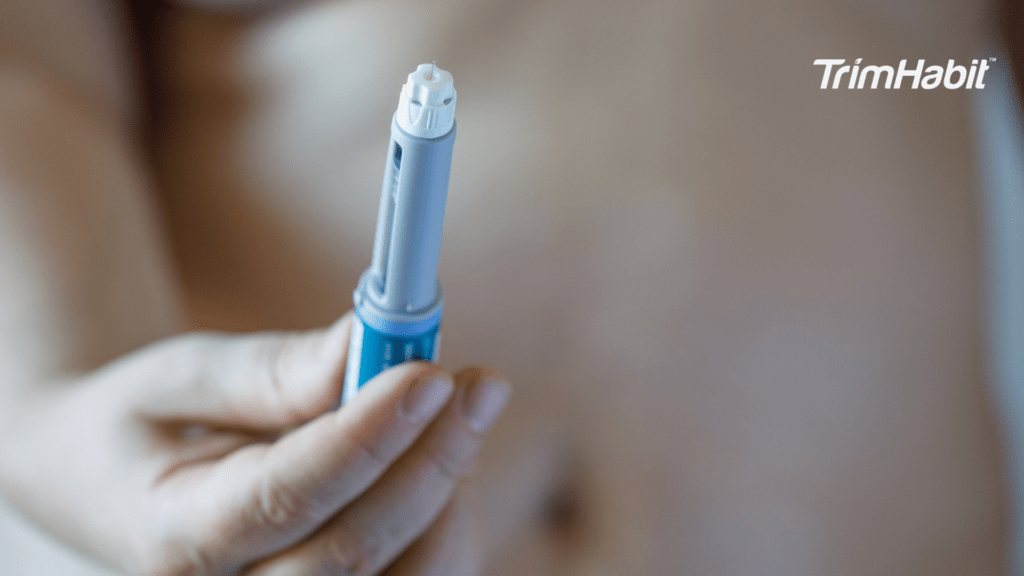
Semaglutide is a medication used to treat type 2 diabetes and overweight or obesity. It is a GLP-1 receptor agonist that imitates glucagon-like peptide-1 (GLP-1), a hormone released in the gut after eating, helping regulate blood sugar and appetite1. Its effects include:
- Stimulates insulin release when blood sugar levels are high
- Reduces glucagon secretion, which helps prevent excess glucose in the bloodstream
- Slows gastric emptying, allowing food to leave the stomach more gradually and helping control post-meal spikes
- Suppresses appetite, increasing fullness and reducing overall food intake
These combined effects support both blood sugar control and weight loss. However, preserving muscle mass during weight loss remains important for long-term health.
Why Exercise Matters During Semaglutide Treatment
Semaglutide can help reduce body weight and improve metabolic health, but combining the medication with regular exercise significantly enhances its effectiveness. Building and maintaining muscle during weight loss is crucial, as muscle does more than provide strength. It also supports metabolism, mobility, and general health.
Enhances Weight Loss Results
Exercise increases energy expenditure, helping create a larger calorie deficit. Exercise also helps burn calories, which is essential for effective weight loss. While semaglutide reduces appetite and food intake, physical activity further supports fat loss. Patients who combine medication with regular exercise often experience better and more sustainable weight reduction.
Helps Preserve Lean Muscle Mass
Rapid weight loss can lead to loss of muscle along with fat, which can negatively affect metabolism, strength, and physical function. Strength training and resistance exercises, such as using resistance bands or light weights, help preserve muscle during semaglutide treatment. Performing these exercises two to three times per week supports metabolic rate and physical strength while maintaining muscle mass.
Improves Metabolic Health
Exercise enhances insulin sensitivity, supports glucose metabolism, and promotes cardiovascular health. When paired with semaglutide, regular physical activity can strengthen blood sugar control and lower risk factors linked to metabolic diseases. Including healthy fats in a balanced diet further supports metabolic function and health. Staying properly hydrated and eating nutritious meals are essential parts of a successful fitness routine, particularly during weight loss. These practices can lead to better blood sugar regulation, lower blood pressure, improved cholesterol levels, and stronger metabolic function.
Supports Long-Term Weight Maintenance
Lifestyle habits are critical for maintaining weight loss after or during medication use. Exercise helps establish long-term behavioral patterns that support weight stability. Individuals who remain physically active are more likely to maintain weight loss over time. Maintaining an active lifestyle and setting specific health goals, such as building muscle strength, supporting mobility, and prioritizing overall wellness, can help support long-term weight maintenance.
Reduces Potential Side Effects
Light to moderate physical activity may help reduce some gastrointestinal discomfort associated with semaglutide, such as bloating or slowed digestion. Exercise also supports overall digestive health and energy levels.
If you experience joint pain or mobility issues, consider low-impact exercises or seated resistance band workouts to stay active without discomfort.
Benefits Of Using Resistance Bands To Stay Active At Home During Semaglutide Treatment
Resistance bands are an accessible and effective tool for strength training at home. They allow you to build muscle, improve flexibility, and support fitness without heavy weights or a gym membership. Focusing on exercises that engage multiple major muscle groups at once can maximize results, helping you maintain strength while losing weight.
Portable and Accessible
Resistance bands are lightweight, compact, and easy to store or carry. You can use them in small apartments, your backyard, or even while traveling. This flexibility makes it easier to stick to a consistent workout routine, as you are not limited by space, equipment, or gym schedules.
Suitable for All Fitness Levels
Bands come in varying resistance levels, from light to heavy, so beginners can start gently while more experienced users can challenge themselves. You can increase intensity by using stronger bands, combining bands, or adjusting the number of repetitions. This makes progression simple and safe, allowing you to build strength steadily.
Supports Full-Body Workouts
Resistance bands can target nearly every major muscle group, including arms, shoulders, chest, back, core, and legs. Exercises like squats, lunges, rows, bicep curls, and glute bridges can be performed at home, providing a complete strength routine. Certain movements, such as single-leg exercises, also improve balance and stability while activating core muscles.
Low Impact on Joints
Unlike some traditional weightlifting exercises, bands provide smooth, controlled resistance, reducing strain on joints. This makes them a safe option for beginners, older adults, or anyone recovering from injury. Bands can also be incorporated into rehabilitation exercises to help regain strength and mobility.
Builds Strength, Endurance, and Mobility
The continuous tension bands provide throughout an exercise works muscles during both lifting and lowering phases. Over time, this improves muscle strength, endurance, and functional stability. Bands are also useful for stretching and mobility exercises, increasing range of motion and reducing the risk of injury while enhancing movement quality.
Cost-Effective and Encouraging Consistency
Resistance bands are affordable, versatile, and easy to use, offering a wide variety of exercises with minimal investment. Their simplicity removes common barriers to exercise, such as travel time, gym fees, or complicated equipment, making it easier to maintain a regular fitness routine.
Simple Resistance Band Exercises You Can Do At Home
Lower Body
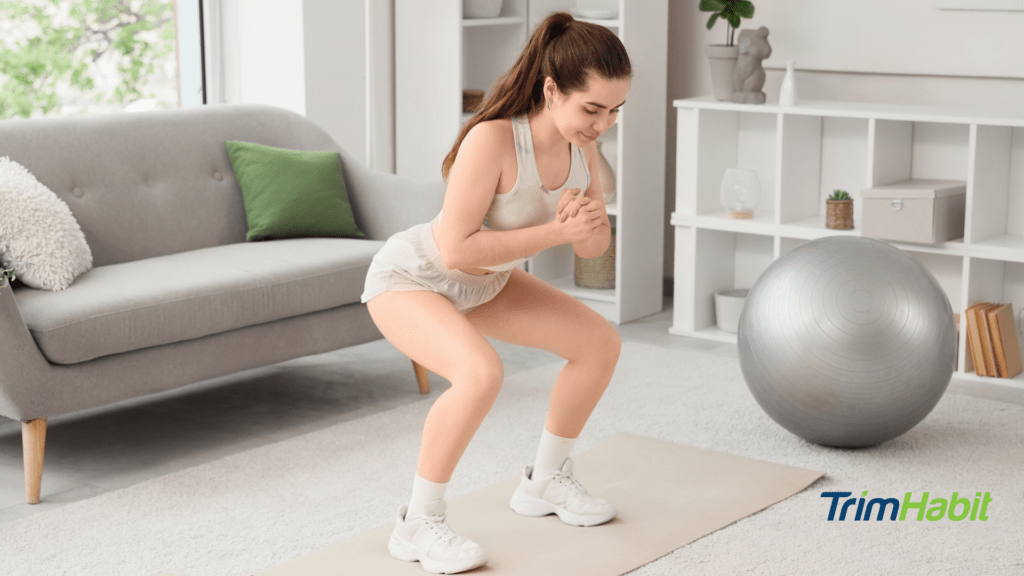
Squats – Step on the band, hold handles at shoulders, and perform regular squats.
Lunges – Place the band under your front foot and hold handles while performing forward or backward lunges.
Glute Bridges – Loop the band above your knees, lie on your back, and lift hips while pressing knees outward.
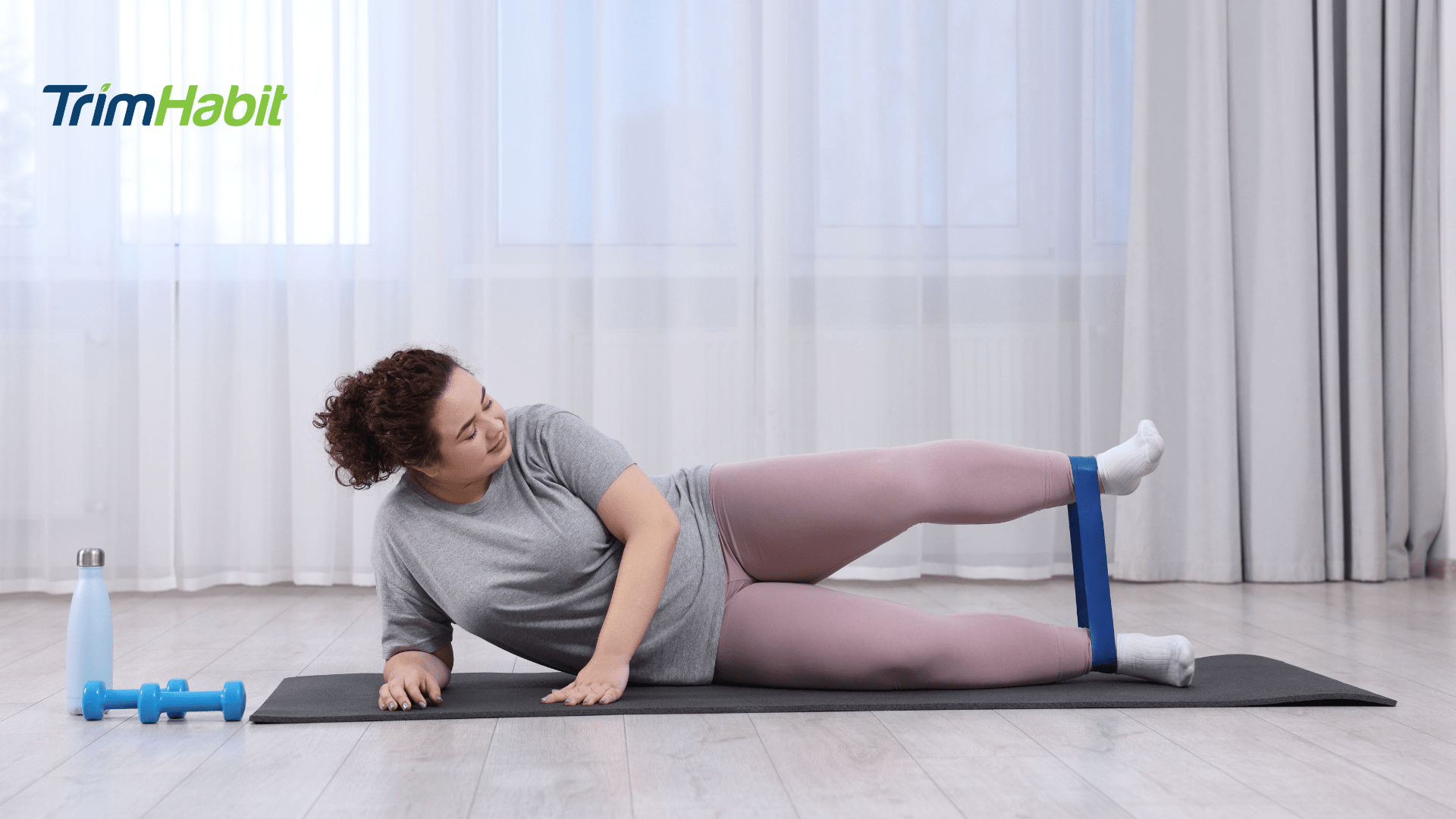
Side Leg Lifts – Loop the band around your ankles and lift one leg to the side to target glutes and hips.
Upper Body
Bicep Curls – Step on the band and curl your hands toward shoulders.
Shoulder Presses – Step on the band and press handles overhead.
Rows – Anchor the band under your feet or a sturdy object and pull elbows back to work back muscles.
Chest Press – Anchor the band behind you (door or furniture) and push handles forward like a push-up motion.
Core
Standing Woodchoppers – Attach band to a low anchor and pull diagonally across your body to engage obliques.
Seated Twist – Sit on the floor with legs extended, loop the band around your feet, and twist torso side to side.
These exercises can be mixed into a full-body routine or done individually to target specific areas.
Tips For Staying Consistent
Even with something as simple and convenient as resistance bands, staying consistent with strength training at home can be challenging. Life gets busy, motivation fluctuates, and it can be easy to skip sessions. Having strategies to stay on track can help you maintain muscle, support your semaglutide treatment, and keep making progress.
Start With Small, Manageable Goals
Setting realistic goals can help build confidence and prevent burnout. Begin with short workout sessions and gradually increase the duration or intensity as fitness improves. Even small amounts of regular activity can provide meaningful health benefits.
Create a Simple Routine
Establishing a regular exercise schedule can help make physical activity a habit. Choosing specific days and times for workouts can help you stay committed and reduce the likelihood of skipping sessions.
Use Convenient Home Equipment
Resistance bands are a great option for home workouts, but you can also include other simple tools like light dumbbells, kettlebells, or even household items to add variety and target different muscle groups. Having a few accessible tools makes it easier to stay consistent, keeps workouts interesting, and lets you fit exercise into your daily routine without needing a gym.
Focus on Consistency Rather Than Perfection
Not every workout needs to be long or intense to be beneficial. Staying consistent with moderate activity is often more effective than attempting overly demanding routines that are difficult to maintain.
Track Your Progress
Keeping track of workouts, strength improvements, or activity levels can help maintain motivation. Progress tracking can provide a sense of achievement and encourage continued effort.
Listen to Your Body
During semaglutide treatment, some individuals may experience fatigue or digestive symptoms. Adjusting exercise intensity when needed and allowing time for recovery can help maintain a safe and sustainable routine.
Celebrate Small Achievements
Recognizing progress, such as completing workouts regularly or improving strength, can reinforce positive habits. Celebrating these milestones helps maintain motivation and encourages continued commitment to physical activity.
Common Challenges And How To Overcome Them
Starting and maintaining an exercise routine during semaglutide treatment can sometimes present challenges. Recognizing common obstacles and learning practical ways to address them can help individuals stay consistent with physical activity and maintain healthy habits.
Low Energy or Fatigue
Some individuals may experience fatigue, particularly when beginning treatment or adjusting to new lifestyle habits. Low energy can make it difficult to stay motivated to exercise.
How to overcome it:
- Start with light activities such as walking or stretching
- Keep workouts short and manageable
- Schedule exercise during times of the day when energy levels are higher
Even brief movement sessions can help improve energy over time.
Gastrointestinal Discomfort
Semaglutide may cause digestive symptoms such as nausea or stomach discomfort, especially in the early stages of treatment.
How to overcome it:
- Choose gentle exercises such as walking or light resistance band workouts
- Avoid exercising immediately after large meals
- Allow the body time to adjust before increasing workout intensity
Gradually increasing activity can make exercise more comfortable.
Lack of Motivation
Maintaining motivation for regular exercise can be difficult, particularly when routines change or progress feels slow.
How to overcome it:
- Set small, achievable goals
- Track progress over time
- Focus on how exercise improves mood and energy rather than only weight loss.
Building habits slowly can help make physical activity part of a daily routine.
Limited Space or Equipment at Home
Some individuals may feel limited by the lack of gym equipment or space at home.
How to overcome it:
- Use compact equipment such as resistance bands
- Perform bodyweight exercises that require minimal space
- Follow simple home workout routines that do not require large equipment
Effective workouts can still be performed in small spaces.
Difficulty Building a Routine
Without a structured plan, it’s easy to skip workouts or lose consistency.
How to overcome it:
- Schedule workouts at specific times each week
- Start with two or three sessions per week and increase gradually
- Combine exercise with daily habits, such as stretching in the morning or walking after meals
Consistency improves when exercise becomes part of a regular schedule.
Key Takeaways
Even simple tools like resistance bands can make a big difference in staying active at home. They help strengthen muscles, improve mobility, and build habits that support your semaglutide treatment. Adding other easy-to-use tools, such as light dumbbells, kettlebells, or household items, keeps workouts varied and engaging while targeting different muscle groups.
Short, consistent sessions go a long way. Just a few minutes each day helps preserve muscle, maintain metabolism, and improve functional strength. Over time, these small efforts support blood sugar control, insulin sensitivity, and fitness, giving more energy and confidence in your routine.
Consistency takes planning, but having equipment ready at home removes common obstacles. Making resistance bands a regular part of your schedule creates a flexible, sustainable way to protect lean muscle, complement semaglutide treatment, and build a foundation for long-term strength and health.