Choosing between modern weight loss medications can feel overwhelming, especially when two options dominate conversations around results, science, and real-life success stories.
The comparison often comes down to one question: Semaglutide vs Tirzepatide, which GLP-1 is better for weight loss?
The answer is not as simple as picking a winner. Both medications have changed how people think about weight management, offering a medically guided way to lose weight that does not rely on willpower alone. Still, they work differently enough that your experience can vary from person to person.
This guide covers what you need to know to decide what might actually work for you.
How GLP-1 Medications Changed Weight Loss
To understand why these drugs matter, it helps to start with what a GLP-1 receptor agonist actually does. GLP-1 is a hormone your body already produces. It plays a role in how you feel hunger, how quickly food moves through your digestive system, and how your body handles blood sugar after eating1.
When you take a GLP-1 medication, you are essentially amplifying that natural signal. The medication slows digestion by slowing gastric emptying, so food stays in your system longer. That alone can lead to a noticeable decrease in appetite, since you feel full sooner and stay full longer.
At the same time, these drugs improve blood sugar control and support better insulin sensitivity, which directly impacts metabolic health. This combination is what makes them so effective for both weight loss and managing diabetes.
What Makes Semaglutide Different
Semaglutide is often the first medication people encounter when exploring weight loss drugs. It works solely through the GLP-1 pathway, making it a focused and well-studied option.
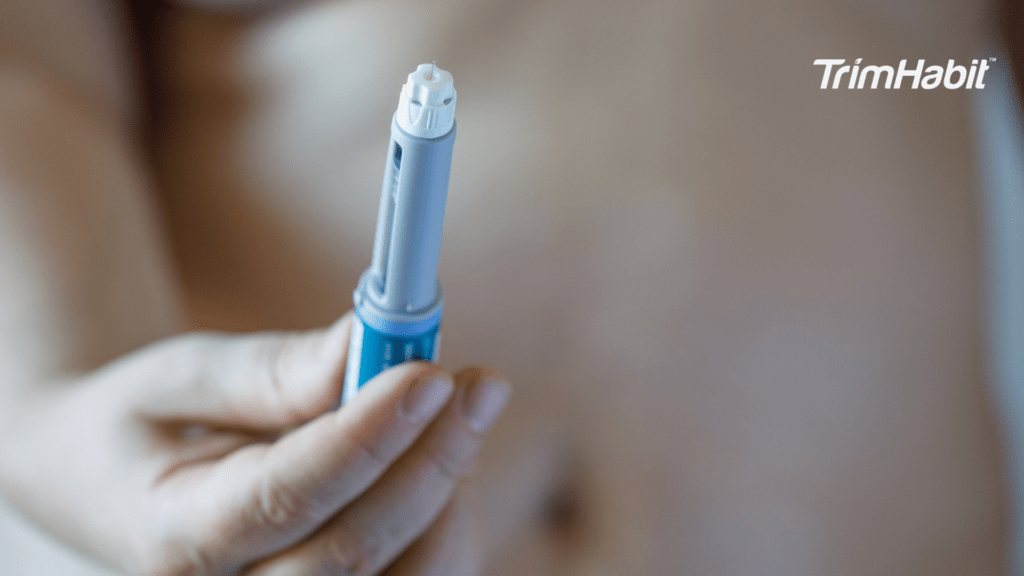
It is typically taken as a subcutaneous injection, often in areas like the abdomen or upper arm, and many patients follow a routine built around once weekly semaglutide dosing. That consistency makes it easier to build into daily life.
What stands out about semaglutide is how it regulates appetite. People tend to notice fewer cravings and a steady decline in portion sizes without feeling forced. Over time, that leads to reducing body weight in a way that feels controlled rather than abrupt.
Doctors usually begin with lower doses and slowly increase toward an effective dose. This gradual process helps limit side effects while allowing your body to adjust.
What Sets Tirzepatide Apart
Tirzepatide takes things further. It does everything a GLP-1 drug does, but it also activates another hormone pathway known as glucose-dependent insulinotropic polypeptide. Because of this, it belongs to a newer category often described as GIP receptor agonists.
This dual mechanism is what makes discussions around tirzepatide versus semaglutide so interesting. Instead of working through a single pathway, tirzepatide acts through two pathways, affecting both the GLP-1 receptor and GIP activity2.
That added layer can lead to stronger appetite suppression and more efficient insulin release. Many people find that tirzepatide creates a more noticeable shift in how quickly they feel full and how little they think about food.
When comparing tirzepatide and semaglutide, this difference in how they act inside the body is the foundation of everything else.
What Happens In Your Body
Even though both medications target appetite and metabolism, the internal experience is not identical.
Semaglutide focuses on slowing gastric emptying and sending fullness signals to the brain. It also affects how nutrients move through the small intestine, helping stabilize glucose levels after meals. The effect builds steadily, which is why many people describe it as predictable.
Tirzepatide, on the other hand, amplifies multiple signals at once. It not only slows digestion but also enhances how your body responds to insulin. Because it improves insulin sensitivity, it can lead to faster and more pronounced changes in body weight.
These key differences explain why one medication may feel stronger or more noticeable than the other, even at similar stages.
What The Research Actually Shows
The debate is not just based on personal stories. It is backed by extensive clinical trials and clinical studies.
Semaglutide has consistently shown strong results, with significant average weight loss across different groups. However, more recent data has brought more attention to tirzepatide.
In several major trials, tirzepatide outperformed semaglutide, especially at higher doses. Participants on tirzepatide often achieved greater total weight reduction, with more noticeable changes over the same period3,4.
A large meta-analysis combining multiple studies also points toward more promising results for tirzepatide, particularly for those aiming for more aggressive changes5.
Still, numbers only tell part of the story.
Real Experiences And Individual Responses
In real life, results are not identical for everyone. With semaglutide and tirzepatide, the phrase results vary is especially important.
Some people feel comfortable with semaglutide almost immediately. It tends to deliver steady progress, making it easier to stay consistent during a long weight loss journey.
Others notice that tirzepatide creates a stronger shift. Hunger drops more sharply, and changes in body weight can happen faster. That intensity can be motivating, but it can also feel overwhelming at first.
Across many patients, the deciding factor often comes down to tolerance. These medications are powerful, and individual responses shape how effective they feel in day-to-day life.
Side Effects And What to Expect
No medication is completely free from discomfort, and both options come with similar side effects.
The most common issue is nausea. Some people experience nausea early on, especially when increasing doses too quickly. There can also be occasional digestive discomfort, including mild abdominal pain6.
For most patients, these symptoms fade with time, particularly when dosing is adjusted carefully. That is why medical supervision is so important. A gradual increase allows your body to adapt without unnecessary stress.
Even though the side effects overlap, tirzepatide can feel slightly more intense for some people because of its dual action. Still, most patients find a level that works for them.
Heart Health And Long-Term Impact
One of the reasons these medications have gained serious attention is not just their effect on weight, but what they may do for long-term cardiovascular outcomes. For many people dealing with obesity or metabolic conditions, heart health is not a secondary concern. It is often the main risk sitting in the background.
Research shows that medications like semaglutide and tirzepatide may support cardiovascular risk reduction, particularly in individuals with existing metabolic issues7. This matters because excess body fat, unstable glucose levels, and insulin resistance all contribute to increased strain on the heart over time.
When you start to improve those markers, the impact goes beyond visible changes. Lower inflammation, improved cholesterol levels, and better glucose control all play a role in reducing cardiovascular risks. These changes build gradually, which is why consistency matters more than speed.
This is also why these medications are now viewed as part of a broader obesity treatment strategy rather than a short-term fix. The goal is not just losing pounds quickly. It is supporting your health in a way that can be maintained long after the initial phase of weight loss.
Dosing And Practical Differences
Dosing is one of the most overlooked factors, yet it can completely shape your experience.
With semaglutide, the process is usually steady and predictable. You begin with lower doses, giving your body time to adjust, especially to the appetite and digestive changes. Over time, the dose increases gradually until you reach an effective dose that balances results and comfort. This slower progression often makes semaglutide feel more manageable, especially for people who are sensitive to medication changes.
Tirzepatide introduces more flexibility, but that can also mean a more noticeable adjustment period. There is a wider range of tirzepatide doses, and some individuals move through them more quickly depending on how their body responds. Because of its dual mechanism, each increase can feel more significant.
This does not mean one is better than the other. It simply means the experience is different. Some people prefer the steady buildup of semaglutide, while others are comfortable adapting to the stronger shifts that can come with tirzepatide.
Finding the right dose is not about reaching the highest level. It is about finding the point where you see progress without feeling overwhelmed. That balance depends heavily on your health history, your tolerance, and how your body reacts at each stage.
Cost, Access, And Availability
Even if a medication looks perfect on paper, access can become the deciding factor.
One issue many people face is short supply, especially during periods when demand increases quickly. This can disrupt consistency, which is critical for maintaining results. Switching medications or missing doses can slow progress and make the process more frustrating.
Cost is another layer that cannot be ignored. Monthly expenses vary, and insurance coverage often determines what is realistically available to you. Some plans may cover one medication but not the other, which immediately narrows your options.
Because of this, some people explore compound medications as an alternative. While this can be more accessible in certain cases, it is not something to decide on your own. Quality, safety, and dosing accuracy all matter, so this option should always be discussed under proper guidance.
These practical factors might not sound as important as results, but they directly affect your ability to stay consistent, and consistency is where real progress happens.
Safety And Medical Guidance
Both medications are FDa approved, but that does not mean they should be used without careful evaluation.
A healthcare provider looks beyond just your current weight. They consider your medical history, existing conditions, and how your body might respond to changes in appetite, digestion, and glucose regulation. This is especially important for people with underlying conditions or those taking other medications.
Proper medical supervision is not just about safety at the start. It continues throughout the process. Adjustments may be needed based on side effects, progress, or changes in your health.
This is where personalized guidance becomes essential. A structured treatment plan helps you move forward with clarity, rather than guessing your way through dosing or expectations. It also reduces the risk of unnecessary complications, making the process more sustainable.
Semaglutide vs Tirzepatide: Which GLP-1 Is Better For Weight Loss?
This is where most people want a clear answer, but the reality is more personal than that.
When comparing tirzepatide to semaglutide, the data may lean in one direction, but your experience may not follow the same pattern. Some individuals respond quickly to semaglutide and find it easy to maintain. Others feel that tirzepatide creates a stronger shift in appetite and faster visible changes.
The comparison of both tirzepatide options and semaglutide is less about ranking them and more about understanding how they fit into your situation. Factors like tolerance, lifestyle, and expectations all shape what “better” actually means for you.
If you value a steadier, more gradual change, semaglutide may feel like the right fit. If you are comfortable with a more intense adjustment period in exchange for potentially stronger results, tirzepatide may be worth considering.
The Bigger Picture
It is easy to focus only on how much weight you can lose, but that is only part of the story.
These medications support chronic weight management, which means they are designed to help you maintain progress, not just achieve it. They make it easier to stay consistent with eating habits, reduce cravings, and manage hunger so it feels sustainable over time.
They also improve your metabolic health, which affects energy levels, hormone balance, and how your body processes nutrients. This is what makes the results more noticeable as time goes on.
Final Thoughts
Finding the right choice between semaglutide and tirzepatide is not about picking a winner. It’s about finding the one that fits your body and your situation.
Both medications are powerful receptor agonists that change how your body handles hunger, digestion, and energy balance. They can help you lose weight, but more importantly, they can support lasting change when used correctly.
Your weight loss journey is shaped by your body, your habits, and your consistency. That is why individual responses matter so much. What feels smooth and effective for one person may feel too strong or too slow for another.
In the end, success is not just about weight reduction. It is about building something you can maintain, something that supports your health, your confidence, and your day-to-day life in a realistic way.