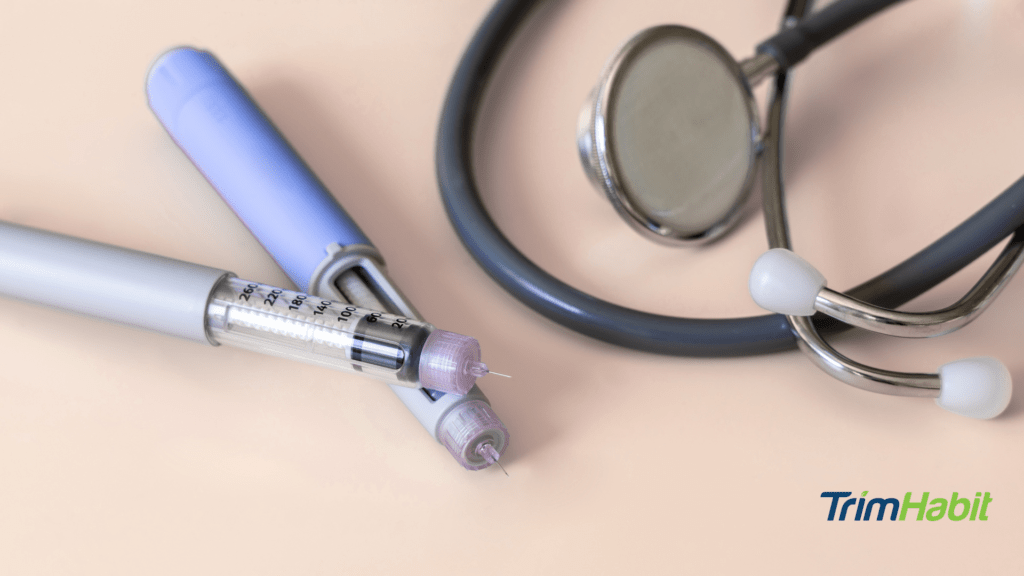
Nausea after a dose of semaglutide can feel sudden and intense, especially when it happens right after the injection.
The right tips for reducing nausea right after a semaglutide shot work best when they feel realistic, easy to follow, and supportive during moments when the stomach turns without warning. The goal is to keep discomfort manageable while protecting the digestive system, blood sugar, and the progress connected to weight loss and weight management.
Semaglutide belongs to the family of GLP-1 receptor agonists, which influence appetite hormones and slow digestion. This shift affects gastric emptying, and when digestion moves at a slower pace, food sits longer in the stomach1,2. That is often when nausea, bloating, or queasiness show up.
Since semaglutide typically creates changes that support blood sugar control, it also affects how the stomach reacts to daily meals and snacks. When this process intensifies, it can trigger nausea, worsen nausea, or exacerbate nausea.
Why Semaglutide Can Create Nausea
The body reacts to slowed digestion differently from person to person. Sometimes the stomach becomes sensitive during dose changes, especially during dose increases. When this happens, symptoms can appear stronger as the body adjusts.
In clinical trials, nausea and related gastrointestinal adverse events were among the most commonly reported adverse effects3. These symptoms tend to settle after a few weeks, though moments of discomfort still happen from time to time. Reduced appetite may shrink calorie intake, and shifts in eating habits can influence how the stomach handles food intake.
Tips For Reducing Nausea Right After A Semaglutide Shot
1. Meal Planning and Eating Habits
One of the most effective ways to manage nausea is through your eating habits. What you eat, how much, and how often can influence your symptoms.
Smaller, Frequent Meals
Eating smaller meals throughout the day is key. Large meals can exacerbate nausea by putting extra strain on your digestive system. Frequent meals keep your calorie intake steady and help maintain blood sugar control, which is especially important for people taking semaglutide for metabolic syndrome or type 2 diabetes.
For instance, instead of having three large meals, you could have five or six smaller meals spaced every three to four hours. This not only reduces the chance of digestive discomfort but also supports blood sugar control. Many people find that spacing their food intake evenly helps prevent the stomach from feeling too empty or too full, both of which can worsen nausea.
Choosing the Right Foods
Eat bland foods during the first few weeks to reduce digestive discomfort. Whole grains, plain rice, oatmeal, and toast are gentle on the stomach. Lean proteins like eggs, yogurt, and fish are also well tolerated. Avoid greasy, overly spicy, or trigger foods that may exacerbate nausea.
Some people find that certain foods, like high-fat meals or fried snacks, can worsen nausea within 30–60 minutes of a semaglutide shot. Others report that even acidic foods, such as tomatoes or citrus, can trigger nausea. Keeping a food diary can help identify what triggers nausea and what alleviates it. Tracking your food intake alongside your symptoms allows you to make adjustments that are personalized and practical.
Timing Meals Around Injections
Many people find it helpful to eat a small snack 30 to 60 minutes before a semaglutide shot. This can help prevent immediate nausea. Avoid consuming heavy or fatty meals right before or after your injection, as semaglutide slows gastric emptying and can make your stomach feel heavier.
For example, a small portion of oatmeal, a slice of whole-grain toast, or a banana with a bit of yogurt can provide enough sustenance to reduce nausea without overloading the stomach. Over time, you may notice that your tolerance improves, but starting with smaller, simpler meals is a helpful strategy during the first few weeks.
2. Hydration and Natural Remedies
Staying hydrated is crucial when managing semaglutide nausea. Drinking water consistently helps reduce dry mouth and supports the digestive system. Take small sips throughout the day rather than large amounts at once. Some people find that room-temperature water or lightly flavored water is easier to tolerate when feeling nauseous.
Natural remedies can also help relieve nausea. Peppermint tea and other herbal teas are gentle and effective for some people. Ginger, in moderation, may also help ease nausea. Sipping tea slowly and taking deep breaths while drinking can further reduce digestive discomfort.
Spending time outdoors in fresh air is another simple strategy. Even a short walk or standing by an open window can provide relief for some people, particularly if nausea is triggered by feelings of fullness or digestive discomfort. Combining these natural remedies with consistent hydration can significantly improve your experience in the first few weeks.
4. Managing Dose and Medication Support
Starting Low and Going Slow
Semaglutide typically starts at a lower dose to help the body adjust. Maintaining a lower dose for a few weeks before increasing allows your digestive system to adapt and reduces the likelihood of severe nausea. Dose increases can trigger gastrointestinal adverse events if your body is not ready.
Your healthcare provider may recommend a gradual titration schedule to give your body time to adapt. Some people find that staying on the initial dose for an extra week or two before moving up reduces gastrointestinal side effects and makes the overall experience more tolerable.
Prescription and Over the Counter Medications
For some, anti-nausea medications may be needed. Both over-the-counter medications and prescription medications can be effective, but always consult your healthcare provider before using them. Some anti-nausea medications can interact with other medications, so professional guidance is essential.
For example, people taking semaglutide alongside medications for blood sugar control should be cautious. Your healthcare provider may suggest a temporary anti-nausea strategy during dose increases or initial therapy to ease nausea without interfering with other medications.
5. Lifestyle Adjustments To Reduce Nausea
Small changes in lifestyle can have a significant impact on managing semaglutide nausea.
Gentle Movement
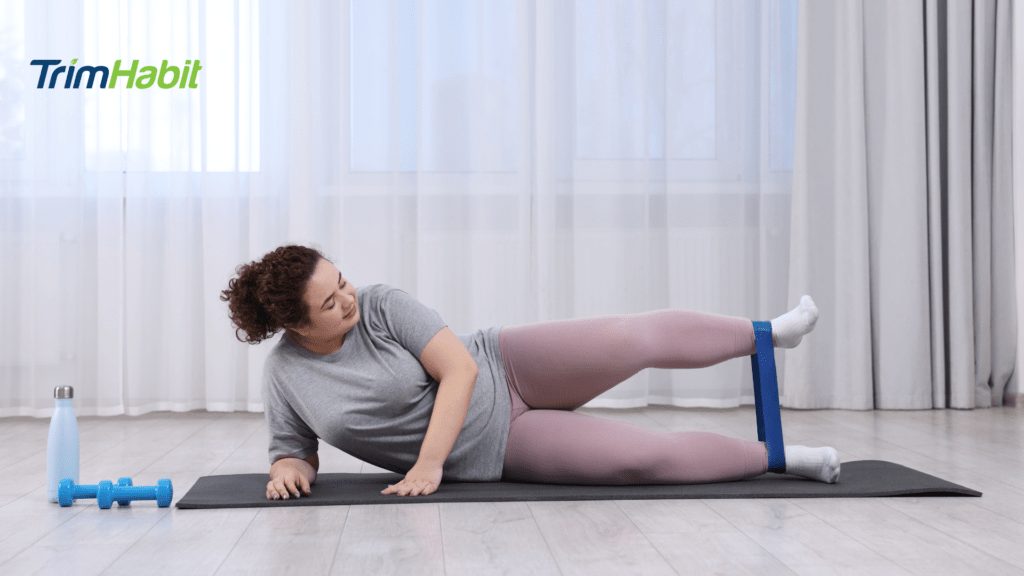
Light walking after meals can help support gastric emptying and reduce digestive discomfort. Avoid lying down immediately after eating or taking your injection, as this can exacerbate nausea. Even a five- to ten-minute walk around the house or office can aid digestion and make your stomach feel less heavy.
Stress Reduction
Stress can worsen nausea, so incorporating relaxation techniques is helpful. Deep breathing, meditation, and even short breaks outdoors in fresh air can reduce the intensity of symptoms. Some people find that gentle yoga or stretching before meals or injections also helps ease nausea.
Body Adjustment Over Time
Your body needs time to adapt to semaglutide. Gastrointestinal side effects are most commonly reported during the first few weeks. As your digestive system adjusts and your body adapts to dose increases, many people notice that nausea becomes milder. Patience and consistent management strategies are important for long-term success.
6. Knowing When To Seek Help
Severe nausea, persistent vomiting, or severe abdominal pain should be addressed immediately. Allergic reactions or other adverse effects also require prompt medical attention. Your healthcare provider can adjust your dosage schedule or recommend additional strategies to manage nausea effectively.
Remember, occasional mild nausea is common, but persistent or worsening symptoms may indicate a need for intervention. Don’t hesitate to reach out to your healthcare provider. Early management often prevents more severe gastrointestinal side effects.
Planning Ahead For Triggers And Travel
Even once your body adjusts to semaglutide, certain situations can trigger nausea. Busy days, travel, or changes in your eating habits may make you feel more sensitive. Planning ahead can help reduce nausea in these scenarios.
- Pack safe snacks: Bring bland, easily digestible foods like crackers, plain granola bars, or small portions of nuts. This helps avoid situations where you might have to eat trigger foods or go too long without food.
- Stay hydrated on the go: Keep a water bottle with you, and sip throughout the day, especially during flights or long drives. Dehydration can worsen nausea.
- Adjust your dosage schedule: If you know your routine will be disrupted, discuss with your healthcare provider whether timing your semaglutide shot differently can help reduce nausea.
- Identify trigger environments: Crowded restaurants, strong food smells, or long periods without a meal can exacerbate nausea. Being aware of these triggers helps you prepare or avoid them when possible.
- Keep natural remedies handy: Peppermint tea bags, ginger chews, or herbal teas can be portable tools to calm your stomach when away from home.
Planning ahead and anticipating situations that could worsen nausea gives your body and digestive system more stability, making it easier to stay comfortable and stick to your treatment plan.
Supporting Weight Management And Overall Health
Semaglutide slows gastric emptying, which helps with satiety and weight management. Pairing the medication with healthy eating habits supports weight loss without causing unnecessary nausea. Maintaining consistent eating habits, including frequent meals and balanced calorie intake, promotes overall health and improves gastrointestinal tolerability.
Focus on nutrient-dense foods such as whole grains, lean proteins, and cooked vegetables. Avoid greasy or processed foods, as these can trigger nausea and other gastrointestinal side effects. Managing semaglutide nausea effectively allows you to continue your treatment plan while benefiting from the medication’s positive effects on weight and blood sugar.
Over time, you may notice that your appetite naturally adjusts, and your body can tolerate a wider variety of foods. Some people even find they can gradually reintroduce foods that initially triggered nausea, as long as portion sizes remain moderate and meals are spaced out.
Key Takeaways For Managing Nausea
Managing nausea after taking semaglutide involves a combination of strategies, including adjusting your current dose, modifying your eating habits, using natural remedies, staying hydrated, and considering anti-nausea medications if needed. Your body will adjust over time, and symptoms often improve after the first few weeks.
By focusing on practical tips, maintaining consistent meal planning, and working closely with your healthcare provider, you can effectively manage nausea and continue your semaglutide treatment safely.
Remember, the goal is to support your digestive system, maintain blood sugar control, and achieve weight management while minimizing gastrointestinal discomfort.