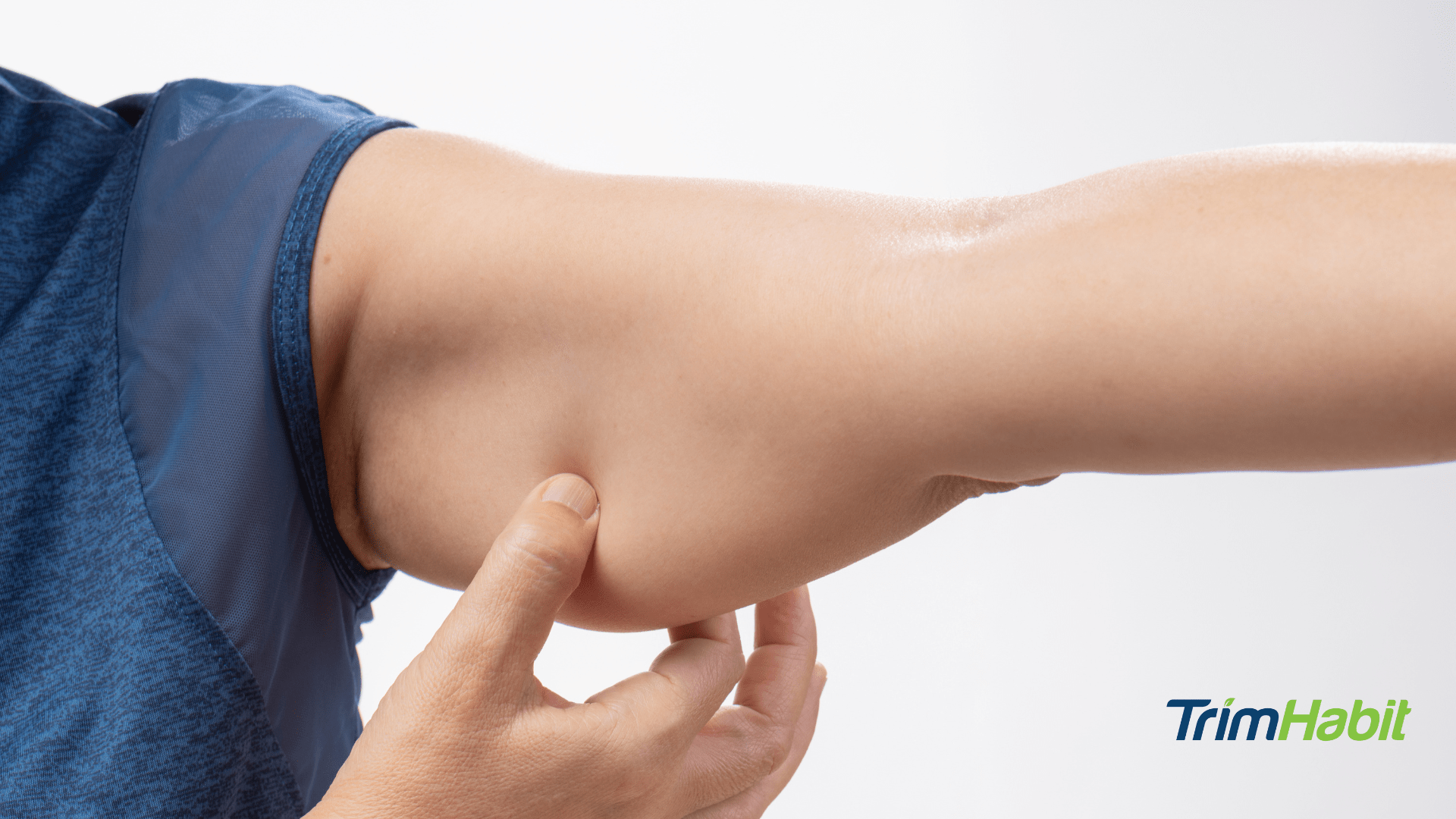
When you’re losing weight, it’s important to understand that not all the pounds coming off are necessarily fat. Your total body weight can decrease through a mix of fat mass, lean tissue, skeletal muscle, and water. Ideally, most of the weight you lose comes from fat tissue, rather than lean muscle, but rapid weight loss or strict calorie restrictions can sometimes cause lean mass loss, which may lead to semaglutide muscle loss if precautions aren’t taken.
Pay attention to changes in your body, because there are ways to recognize if you’re losing muscle instead of fat on semaglutide.
Fat loss occurs when your body taps into stored fat for energy, reducing adipose tissue without compromising your strength or metabolic rate.
Muscle loss, on the other hand, refers to the loss of muscle mass and lean tissue that can negatively affect your muscle strength and muscle volume. Unlike fat, which is primarily an energy reserve, lean muscle contributes to your physical function, joint stability, and overall health1,2.
Several factors influence whether your weight loss favors fat or muscle. These include your protein intake, the size of your calorie deficit, your level of physical activity, and your age. Older adults are particularly vulnerable to lean mass lost during sustained weight loss, even when taking weight loss drugs like semaglutide, making it critical to protect muscle retention throughout your journey.
The Role Of Semaglutide In Weight Loss
Semaglutide treatment is now widely used by people aiming for sustainable weight loss. Originally developed to improve glycemic control, GLP-1 receptor agonists help reduce appetite, slow gastric emptying, and promote fat loss. Clinical studies have consistently shown significant loss in fat mass for many patients3,4.
However, like bariatric surgery, semaglutide does not automatically protect muscle mass. Weight lost can include lean body mass, particularly in individuals who are not consuming enough calories or engaging in muscle building activities. Keeping track of fat versus muscle loss makes it easier to lose weight without hurting your health.
Why Muscle Loss Happens On Semaglutide
Semaglutide works by reducing appetite, slowing gastric emptying, and promoting fat loss. While it is highly effective in helping many patients lose weight, it does not differentiate between fat and lean muscle. Without proper diet and exercise, your body may break down skeletal muscle to meet energy needs, especially if your food intake is insufficient.
Calorie deficit is one of the primary contributors to losing muscle mass. While you may intentionally eat fewer calories to lose fat, a deficit that is too large can trigger lean mass loss. This risk is compounded if your protein intake is low, or if you’re not engaging in resistance training or weight training.
People taking semaglutide who focus on high-protein diets and regular exercise are more likely to preserve lean body mass, while skipping these habits can lead to semaglutide muscle loss.
Additionally, older adults are at higher risk for muscle decline due to age-related sarcopenia. Without active intervention, muscle retention becomes challenging, and muscle strength can decrease even during successful weight loss.
How To Know If You’re Losing Muscle Instead Of Fat On Semaglutide
Figuring out whether you’re losing muscle rather than fat on semaglutide involves more than just what you see in the mirror. There are several tools and strategies you can use to track it accurately.
Track Body Weight and Composition
Tracking your body weight is more than just stepping on the scale. To see whether you’re losing fat or muscle mass, it’s helpful to look at body composition. Tools like body mass index (BMI), DEXA scans, or bioelectrical impedance can give you a clearer picture of changes in lean tissue versus fat mass. Monitoring these numbers over time helps you spot trends before lean muscle starts declining, and it allows you to adjust your diet or exercise to protect lean body mass. Regularly checking body composition can also motivate you, showing the fat loss you’re achieving even if the scale doesn’t move as quickly as you expect.
Monitor Strength and Physical Performance
Changes in your strength are often the first sign that muscle mass is slipping away. Pay attention to your ability to lift weights, perform push ups, or complete daily tasks that require physical effort. If you notice a decrease in muscle strength or endurance, it could indicate muscle mass loss. Tracking your performance over time helps you know when to adjust your weight training or resistance training routines, and it gives you concrete feedback on whether your lean muscle is being preserved. Strength measurements are a practical way to connect what you see on the scale to your body’s functional abilities.
Assess Changes in Muscle Volume
Your muscles don’t just affect strength, they also influence how your body looks and feels. Pay attention to noticeable changes in skeletal muscle size, especially in your arms, legs, and core. Softer limbs, reduced firmness, or loss of definition can indicate lean mass lost. Taking progress photos or simply observing your body in the mirror can be a surprisingly effective way to track subtle changes in muscle volume. These visual cues, combined with performance measures, give you a fuller picture of how your lean tissue is holding up during weight loss.
Evaluate Recovery and Energy Levels
How you feel after workouts can tell you a lot about muscle retention. If exercise leaves you unusually fatigued, or if it takes longer than normal to recover between sessions, it may be a sign that your lean muscle is declining. Paying attention to energy levels allows you to adjust your protein intake, workout intensity, or rest days to prevent muscle loss. Proper recovery, along with weight training, not only protects muscle mass but also supports your physical function, joint health, and overall strength.
Blood Work
Sometimes, the signs aren’t obvious from appearance or performance alone. Your obesity medicine specialist or attending doctors can check blood markers related to nutrition and metabolism, such as protein levels, hormone balance, or other indicators of muscle health. Low levels may signal muscle mass loss, which is particularly relevant if you’re using weight loss drugs like semaglutide. Combining lab results with body composition tracking and strength measures gives a more complete view of your lean muscle status and helps guide adjustments to your diet, exercise, and overall weight management plan.
Strategies To Prevent Muscle Loss On Semaglutide
To avoid losing muscle on semaglutide, it helps to focus on several things at once, like protein, strength training, and recovery.
Maintain Adequate Protein Intake
Protein intake is essential for muscle retention and muscle building. Ensure each meal contains high-quality protein sources, such as lean meats, fish, eggs, legumes, and dairy. This supports lean muscle preservation and helps maintain lean body mass during sustained weight loss.
Engage in Resistance Training
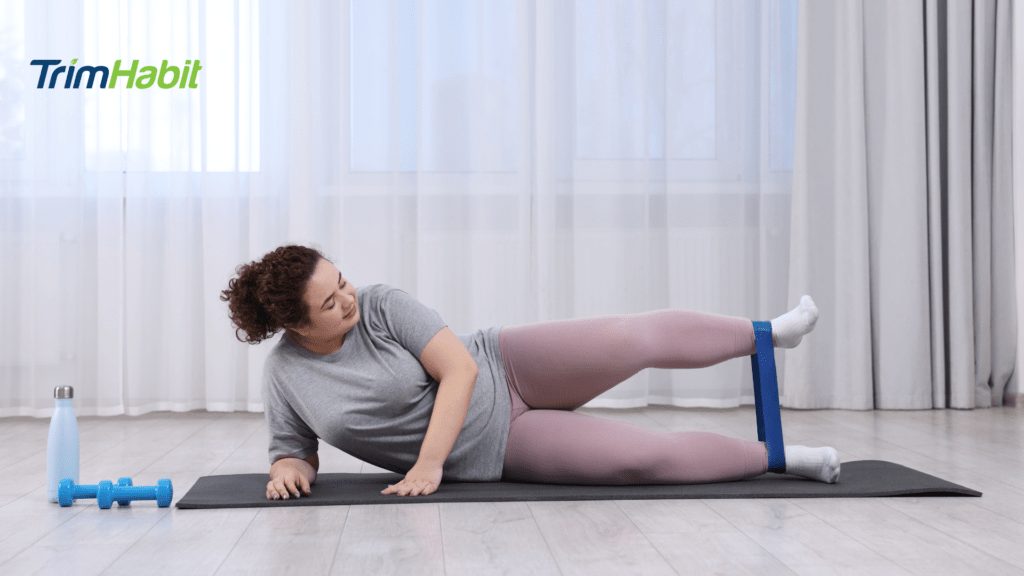
Resistance training and weight training are critical for muscle retention. Focus on strength training routines targeting all major muscle groups, including bodyweight exercises like push ups and squats. This promotes muscle mass and prevents lean mass lost during rapid weight loss.
Combine Aerobic and Strength Exercises
While cardio helps burn fat, combining it with resistance training prevents lean muscle depletion. Exercise that balances both elements can maximize fat loss while preserving muscle mass and muscle strength.
Avoid Extreme Calorie Deficits
A calorie deficit that is too aggressive may accelerate losing muscle rather than fat tissue. Eating enough calories to support metabolic rate while still achieving gradual weight loss can protect lean mass.
Monitor Your Progress
Regularly track body composition, muscle volume, and physical function. If you notice lean mass loss or muscle strength decline, adjust your diet, exercise, or protein intake.
Work with Healthcare Providers
An obesity medicine specialist or attending doctors can help tailor your weight management plan. They may recommend exercise therapy, nutritional adjustments, or even alternative weight loss drugs if muscle retention is at risk.
Nutrition Tips To Preserve Muscle
Beyond protein intake, there are several nutrition strategies to prevent muscle mass loss:
- Balanced Diet: Include complex carbohydrates, healthy fats, and micronutrients to fuel workouts and daily activities.
- Timing of Protein: Distribute protein across meals to maximize muscle retention.
- Hydration: Proper fluid intake supports metabolism, muscle strength, and recovery.
- Supplementation: Some patients may benefit from vitamin D, calcium, or omega-3 fatty acids to support skeletal muscle and joint health.
Exercise Strategies To Preserve Muscle
Your exercise plan should prioritize muscle retention while promoting fat loss:
- Strength Training: 2–4 sessions per week using weights or resistance bands.
- Progressive Overload: Gradually increase weight or repetitions to maintain muscle volume.
- Functional Movements: Squats, lunges, and push ups improve physical function and maintain lean muscle.
- Recovery Days: Rest and recovery are essential for muscle retention and muscle building.
Special Considerations
Certain populations require extra attention to muscle retention:
- Older Adults: Age-related sarcopenia increases muscle loss risk. Resistance training and higher protein intake are vital.
- Patients with Insulin Resistance: Muscle helps regulate blood sugar, so preserving skeletal muscle supports glycemic control.
- People on Long-Term Semaglutide: Regular monitoring and weight training help prevent lean mass lost over time.
Common Questions About Muscle Loss And Semaglutide
Can I continue my diet if I want to preserve muscle?
Yes, but make sure you’re consuming enough calories and protein. Pair your diet with exercise to maintain lean body mass.
Will I lose muscle if I only do cardio?
Relying solely on cardio increases the risk of lean mass loss, especially during rapid weight loss. Combining cardio with resistance training is essential.
Is muscle loss more likely with rapid weight loss?
Yes, rapid weight loss often results in lean mass lost alongside fat tissue. Slower, steady weight loss protects muscle.
Can semaglutide cause muscle weakness?
Indirectly, yes. If lean tissue decreases due to insufficient nutrition or lack of strength training, you may notice muscle strength decline.
How do I measure fat vs muscle loss?
Tracking body composition, body mass index, and monitoring physical function are the best methods. Some patients also use DEXA scans or bioelectrical impedance for precision.
Integrating Semaglutide Into A Muscle-Preserving Plan
To achieve sustainable weight loss without sacrificing lean muscle, consider this framework:
- Work with an obesity medicine specialist to monitor your weight management progress.
- Ensure enough calories and adequate protein intake.
- Include resistance training and weight training exercises to support muscle building and muscle retention.
- Track body composition, muscle volume, and muscle strength regularly.
- Adjust your diet or exercise based on lean mass lost.
When done consistently, you can achieve successful weight loss, fat loss, and preserve muscle to improve physical function and maintain overall health.
Conclusion
Understanding how to know if you’re losing muscle instead of fat on semaglutide is a vital part of your weight loss journey. Protecting lean mass ensures your body composition improves, your muscle strength remains intact, and your metabolic rate is supported. Through careful diet, consistent resistance training, and collaboration with attending doctors, you can achieve fat loss, maintain muscle mass, and enjoy sustainable weight loss results.
Remember, muscle retention is not just about appearance, it’s essential for physical function, joint stability, and long-term health. Protecting your skeletal muscle, optimizing protein intake, and tracking body composition are your best tools to ensure your weight lost comes primarily from fat tissue. With the right strategies, semaglutide treatment can help you reach your goals while keeping your lean muscle intact.