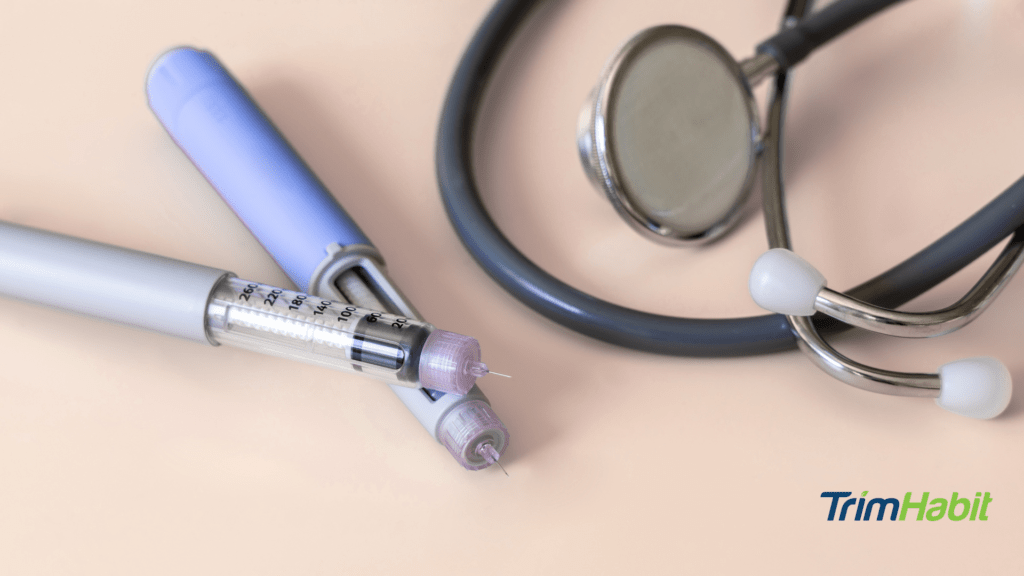
There is a moment that arrives for many people on semaglutide where certainty dissolves. Early success gave you feedback. The scale moved. Hunger quieted. Decisions felt simpler. Then, gradually or abruptly, progress stalled. Nothing obvious changed, yet results did.
Learning how to refeed safely after a plateau on semaglutide begins with accepting that this pause is not a deviation from the process. It is the process.
Semaglutide helps you lose weight, but it does not suspend human physiology. A weight loss plateau reflects adaptation, not resistance. This distinction matters because the response determines whether progress resumes or becomes harder to reclaim. When weight loss stops responding to the same inputs, the body is not asking for more force. It is asking for a different signal.
During a long weight loss journey, the body constantly evaluates risk. Sustained energy reduction, even when medically supported, eventually triggers protective mechanisms. That evaluation is unconscious, hormonal, and deeply ingrained. You cannot out discipline it.
Why Plateaus Happen Even When Adherence Is High
Early treatment phases often feel almost mechanical. Appetite decreases. Intake drops. Weight responds quickly. This creates an expectation of linearity. When that expectation breaks, frustration follows.
The reality is that weight loss slows as the body recalibrates energy use. This occurs even with weight loss medications. Semaglutide alters appetite signaling1, but it does not remove the body’s ability to conserve energy under perceived threat.
Prolonged reduction in calorie intake sends a clear message. Energy is scarce. Eating fewer calories repeatedly reinforces that message. Over time, the body responds by lowering expenditure, reducing spontaneous movement, and prioritizing efficiency. None of this requires conscious choice.
This is why simply cutting further often fails. It undermines earlier weight loss efforts by deepening the conservation response.
What Changes First When A Plateau Develops
The scale is usually the last thing to change. Internally, adaptation starts much earlier.
Body composition shifts quietly during prolonged restriction. Lean tissue becomes metabolically expensive to maintain. When intake remains low, the body may reduce muscle mass to lower energy demand. This can happen even if body weight appears stable.
You may notice it indirectly. Recovery feels slower. Strength declines subtly. Your usual exercise routine feels heavier. Fatigue creeps in. Continued weight lifting without sufficient fuel does not stop this process. It accelerates it.
Muscle loss matters because it reduces resting energy needs and insulin sensitivity. At that point, fat loss becomes harder regardless of effort.
Metabolic Adaptation Is Not A Theory, It Is An Outcome
The mechanism driving this stall is metabolic adaptation. It is not speculative. It is observed consistently in prolonged energy restriction.
Hormonal output shifts. Thyroid signaling may downregulate slightly. The nervous system prioritizes conservation. Hunger cues intensify or become erratic. Movement outside structured exercise declines.
Refueling works because it interrupts this signal.
Increasing intake in a controlled way, while maintaining strength training or resistance training, tells the body that energy availability has improved and tissue preservation is appropriate. This only works when exercise habits are aligned with recovery. Fuel without recovery does not reverse adaptation. Neither does recovery without fuel.
Semaglutide’s Role In Appetite And Adaptation
Semaglutide is a GLP-1 receptor agonist. It reduces appetite, slows gastric emptying, and alters reward signaling. These effects make reduced food intake sustainable for many people.
What it does not do is eliminate physiological need.
Unlike older weight loss drugs, semaglutide does not force suppression. Hunger still exists, though muted. Over time, this means under eating can occur quietly, especially when appetite cues are unreliable.
Within medical weight management, refueling is often introduced when adaptation appears. It is not a failure of treatment. It is a continuation of it.
Sleep, Stress, And The Plateau Nobody Talks About
Nutrition rarely acts alone. Poor sleep disrupts insulin sensitivity, increases cortisol, and alters appetite regulation2,3. Many plateaus resolve once sleep improves, even without dietary change.
Remaining in a deep calorie deficit while sleep deprived compounds stress. Cortisol rises. Recovery falls. Fat loss slows further. Supporting overall health means recognizing when recovery capacity has been exceeded.
A healthy diet that meets physiological needs can support weight loss better than persistent restriction under chronic strain.
Muscle Preservation Determines Long-Term Outcomes
Preserving lean muscle mass is not a fitness goal. It is a metabolic requirement for maintaining a healthy weight.
Medication-based treatment differs fundamentally from surgical weight loss. There is no anatomical bypass. Metabolic integrity must remain intact. When muscle is lost, long-term stability becomes harder to maintain4.
Extended restriction increases the likelihood of weight gain later, especially after rapid weight loss. This risk rises sharply when chronic stress is present.
Including healthy fats supports hormone production and nutrient absorption. These are not luxuries. They are prerequisites for a healthier lifestyle that allows further weight loss without repeated stalls.
Why Eating More Often Restarts Fat Loss
When loss slows or stops, the underlying issue is often a reduction in basal metabolic rate. This is not permanent, but it is responsive to the environment.
A prolonged low-calorie diet trains the body to conserve energy aggressively. Strategic increases reverse that training.
Effective refueling considers:
- Lifestyle factors such as sleep debt and workload
- Psychological stress load
- Training volume and recovery debt
Adding more calories deliberately while learning to manage stress and reduce processed foods restores metabolic signaling. This is how many people restart weight loss without pushing harder.
Numbers Are Tools, Not Judges
Metrics can guide, but they cannot interpret context. Body mass index offers population level reference, not individual insight. You continue to burn calories through posture, fidgeting, and daily movement that rarely gets counted.
Reassessing your workout routine helps determine whether activity is supportive or depleting. Estimating how many calories you need depends on lean mass, duration of restriction, and recovery status. Your needs change over time.
Rigid attachment to numbers often prolongs plateaus rather than resolving them.
Hunger And Appetite During Refueling
Refueling often alters hunger temporarily. Quality sleep stabilizes appetite signaling. When intake increases, increased hunger often resolves once consistency is restored.
Helpful stabilizers include:
- Regular meal timing
- Adequate protein distribution
- Predictable eating habits
These support metabolic health even if the scale pauses. Temporary shifts may occur before weight drops again.
Exercise During A Refeed Phase
Exercise remains important, but selection matters.
Careful introduction of high-intensity interval training can support conditioning once fueling improves, particularly after initial success fades. This only works when recovery is adequate.
Daily physical activity outside structured workouts contributes significantly to energy balance. Refueling does not justify reliance on high-calorie foods with little nutritional value.
Coordination with a healthcare provider ensures refueling aligns with medication dosing and medical considerations.
Behavioral Patterns That Reinforce Plateaus
Plateaus often change behavior before they change physiology. When progress slows, many people respond with more control rather than better support.
Meals become smaller without intention. Protein slips. Eating windows stretch longer. Semaglutide can mute hunger enough that under eating goes unnoticed, especially during busy or stressful periods. This creates instability, not discipline.
In that state, emotional eating does not always look like overeating. It shows up as skipped meals, grazing, or eating without satisfaction. These patterns keep stress hormones elevated and make recovery harder.
Reestablishing healthy habits means restoring predictability. Consistent meals stabilize appetite signaling and reduce internal stress. Precision matters less than regularity here.
Dose matters too. The optimal dose is the one that supports intake adequate for recovery and training. Excessive suppression can undermine tissue preservation.
Maintaining muscle mass depends on fuel matching demand. A stable eating pattern allows training to stimulate adaptation rather than depletion. When the body adapts to adequate energy, progress becomes possible again without reliance on empty calories.
Hormones, Movement, And Energy Use
Refueling changes internal signals before it changes the scale.
As intake stabilizes, cortisol often declines. Thyroid output may normalize. Insulin sensitivity can improve. These shifts are subtle but meaningful.
In some cases, markers like high blood pressure improve during this phase, even without visible fat loss. This reflects reduced physiological strain, not stalled progress.
Preserving lean mass supports resting energy needs and glucose handling. Appetite regulation improves as hunger hormones respond to consistent intake rather than prolonged suppression.
Daily movement plays a larger role than most people expect. Non-exercise activity thermogenesis often drops during prolonged restriction. Refueling restores it quietly, increasing expenditure without structured effort.
A durable treatment plan accounts for these changes when aiming for continued weight loss.
Understanding Weight During Refueling
Short-term scale changes are common during refueling. They are rarely meaningful.
Weight reflects glycogen, hydration, digestion, and inflammation. Increased intake restores glycogen and intracellular water. This is not fat gain.
When recovery improves, training quality improves. That is often followed by renewed fat loss, even if the scale pauses first.
A semaglutide plateau indicates adaptation, not failure. Clinically, patients tend to regain momentum when refueling prioritizes protein, fiber, and sleep consistency.
Focused dietary changes, paired with stress management, are more effective than aggressive restriction at this stage.
How To Refeed Safely After A Plateau On Semaglutide
- Increase intake gradually, not abruptly
Small, consistent increases allow metabolic signaling to adjust without causing digestive discomfort or rapid fluid shifts.
- Prioritize protein at every meal
Adequate protein supports lean tissue preservation and improves satiety as intake increases.
- Restore meal regularity before increasing volume
Predictable timing stabilizes appetite hormones and reduces physiological stress.
- Match intake to training demands
Resistance or strength-focused days require more fuel than rest days to protect muscle tissue.
- Reassess dose tolerance during refueling
Excess appetite suppression can interfere with adequate intake of protein and essential nutrients.
- Limit reliance on liquid calories
Solid foods provide stronger satiety and digestion cues during metabolic recalibration.
- Support recovery as intake rises
Consistent sleep and stress reduction improve insulin sensitivity and nutrient utilization.
- Maintain resistance-based training
Muscle-preserving movement helps direct added energy toward lean tissue rather than storage.
- Monitor trends, not daily scale changes
Short-term fluctuations often reflect hydration and glycogen, not fat gain.
- Adjust based on energy, training quality, and hunger cues
These signals respond faster than the scale and indicate whether refueling is effective.
Final Thoughts
Refueling is not stepping back. It is correcting the signal.
When energy availability improves, the body shifts from protection to adaptation. Expenditure rises. Recovery improves. Progress resumes.
Plateaus are not proof that the medication stopped working. They show that the system adjusted. Responding with structure instead of pressure allows change to continue without creating new barriers.