Balancing activity and recovery becomes more nuanced when the body is influenced by a medication that directly affects appetite, digestion, and energy regulation. Many people increase their training intensity as soon as they notice progress, assuming that doing more will speed things up.
In reality, long-term success depends on knowing how to balance calorie burn and recovery while taking semaglutide in a way that supports consistency, strength, and sustainable results.
This becomes especially important during a weight loss journey. Early progress often creates momentum, but it can also lead to decisions that are too aggressive. The goal is not simply to lose weight as quickly as possible. The focus should remain on building a system that supports healthy weight loss while protecting energy levels and long-term weight management.
Understanding Semaglutide And Its Effects On The Body
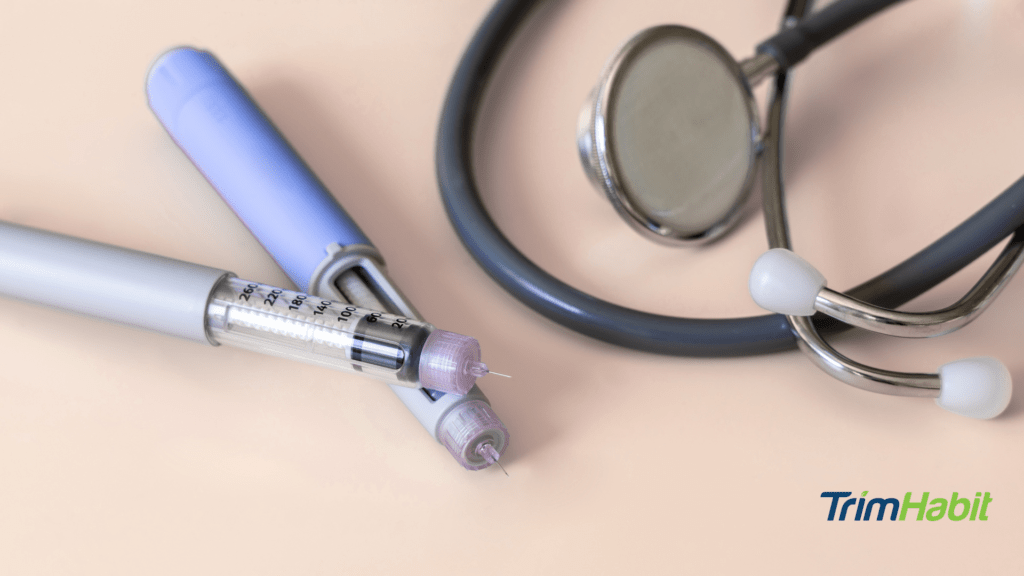
Semaglutide is part of a growing category of weight loss injections used to support individuals struggling with excess weight. The active ingredient works by targeting the GLP-1 receptor, which plays a role in regulating hunger signals and digestion. This interaction helps suppress appetite and allows people to feel satisfied with less food1.
When prescribed semaglutide, patients often notice that cravings decrease and portion sizes become smaller without feeling restrictive. This shift supports healthier eating habits and makes it easier to maintain a calorie deficit over time.
Semaglutide therapy is commonly included in a structured medical weight loss program. The medication does not replace lifestyle changes. Instead, it enhances the effectiveness of diet and exercise by making those habits easier to maintain.
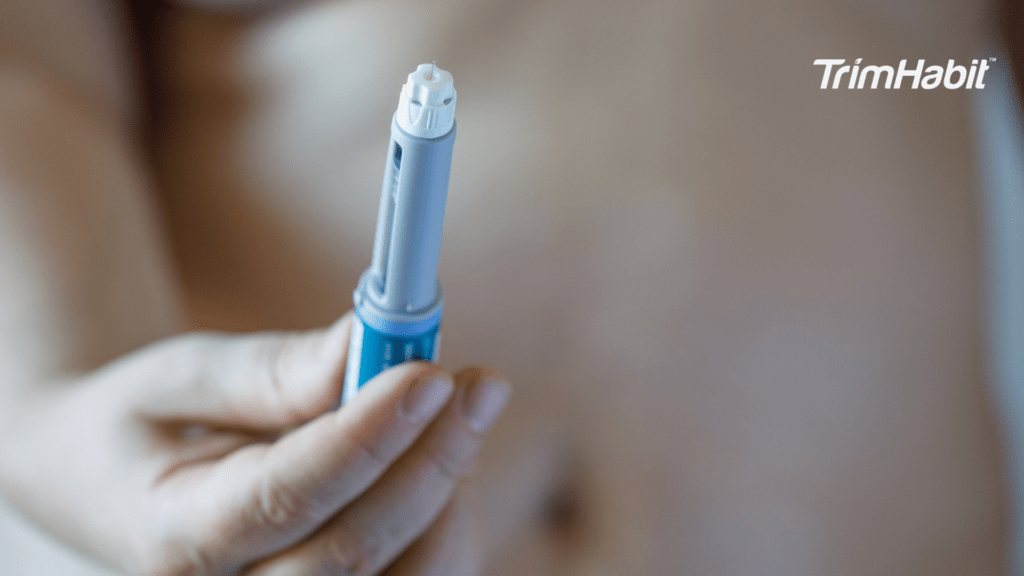
Administration typically involves semaglutide injections taken on a weekly basis. Patients are instructed to rotate injection sites to reduce the risk of skin irritation and ensure consistent absorption. Common injection sites include the abdomen, thigh, and upper arm. Rotating these areas helps maintain comfort and consistency throughout each monthly supply.
Some individuals may experience nausea or mild gi symptoms when first starting treatment. Those who experience nausea can benefit from adjusting portion sizes and meal timing to reduce discomfort.
Energy Balance, Calorie Burn, And Metabolic Adaptation
Energy balance remains the foundation of any successful weight loss strategy. It is determined by the relationship between calorie intake and calorie burn. While semaglutide helps reduce intake, it does not significantly increase the number of calories burned.
This is an important distinction. Many people assume medications work by boosting metabolism. In reality, semaglutide weight loss results are primarily driven by reduced intake rather than increased output.
As body weight decreases, the body adapts to conserve energy. This process is often referred to as metabolic adaptation. A smaller body requires fewer calories to function, and the body becomes more efficient over time.
Attempting to counter this adaptation by dramatically increasing physical activity can lead to fatigue. Instead, a more sustainable strategy focuses on maintaining lean muscle mass and supporting steady progress.
Maintaining muscle mass is essential for preserving metabolic function. Muscle tissue contributes to calorie burn and supports long-term weight management. Without proper training and nutrition, muscle loss can occur, especially during periods of rapid weight loss2.
Why Recovery Plays A Central Role
Recovery is often overlooked, yet it is just as important as physical activity. Exercise creates stress on the body, and recovery allows the body to repair and adapt.
Without adequate recovery, performance declines and fatigue builds. Over time, this can interfere with progress and increase the risk of injury.
Sleep is one of the most critical components of recovery. Poor sleep can disrupt blood sugar, increase cravings, and reduce the ability to perform during exercise. Consistent sleep patterns support both fat loss and overall health.
Stress management is another key factor. Elevated stress levels can affect hormones that regulate hunger and energy use. Managing stress supports recovery and helps maintain consistency in daily habits.
Recovery also supports muscle growth. After resistance training, the body repairs muscle fibers, leading to increased strength and improved endurance.
How To Balance Calorie Burn And Recovery While Taking Semaglutide
1. Structuring Exercise For Balance And Sustainability
Exercise is an essential part of any plan designed to lose weight, but it must be structured carefully. Exercise matters, but pushing too hard too often can lead to burnout.
A balanced routine includes several components:
- Strength training to support muscle
- Moderate cardiovascular activity for heart health
- Low-intensity movement to maintain daily activity
- Flexibility exercises to support mobility
Regular exercise supports fat loss and improves cardiovascular health. However, it is important to balance intensity with recovery to avoid overtraining.
Physical activity should feel sustainable rather than overwhelming. The goal is to build consistency over time rather than relying on short bursts of effort.
2. Preserving Muscle And Supporting Strength
Maintaining muscle mass during weight loss is critical. Muscle helps regulate metabolism and supports overall strength.
Resistance training is the most effective way to preserve muscle. It also supports muscle growth when combined with proper nutrition. Without sufficient stimulus, the body may break down muscle tissue, leading to muscle loss.
Protein intake plays a key role in preserving muscle. Consuming enough protein helps support muscle repair and recovery.
Lean proteins such as chicken, fish, eggs, and plant-based sources are effective options. These foods provide essential nutrients without adding excessive calories.
Preserving muscle also helps maintain energy levels and supports health and aesthetic goals. It allows the body to function efficiently while continuing to lose fat.
3. Nutrition Strategies for Energy and Recovery
Nutrition directly influences both performance and recovery. A balanced diet should provide the nutrients needed to support daily activity and repair.
Key components include:
- Lean proteins for muscle repair
- Whole grains such as brown rice for sustained energy
- Non-starchy vegetables for vitamins and fiber
- Healthy fats for hormone support
Choosing nutritious foods ensures the body receives essential nutrients even when calorie intake is reduced.
Limiting fried foods and sugary foods can help maintain stable energy levels. Foods high in added sugars or unhealthy fats can lead to energy fluctuations and reduced performance.
Eating foods that support recovery helps maintain consistency and prevents fatigue.
4. Managing Appetite and Meal Structure
One of the most noticeable effects of semaglutide is reduced hunger. While this makes it easier to maintain a calorie deficit, it can also lead to unintentional under-eating.
Consuming less food may result in lower energy levels if meals are not properly structured. Small meals throughout the day can help maintain consistent energy without overwhelming digestion.
Focusing on the best foods that provide a balance of nutrients supports recovery and performance. Including a mix of protein, carbohydrates, and fats helps maintain energy levels.
A balanced diet should include whole foods whenever possible. These options provide more nutrients compared to highly processed alternatives.
5. Avoiding Common Pitfalls
Many individuals make the mistake of focusing solely on calorie burn. Increasing activity without adjusting recovery can lead to fatigue and reduced progress.
Rapid weight loss may seem appealing, but it often leads to muscle loss and increases the risk of weight regain.
Another common mistake is ignoring recovery. Skipping rest days or pushing through fatigue can reduce performance and increase injury risk.
A more effective strategy emphasizes consistency and gradual progress. Building healthy habits creates a foundation for long-term success.
Long-Term Success And Maintenance
Long-term success depends on maintaining a healthy lifestyle beyond the initial phase of weight loss. Developing consistent habits supports both physical and metabolic health.
Regular exercise, balanced nutrition, and proper recovery all contribute to long-term results. These habits help maintain weight loss results and prevent setbacks.
Maintaining muscle mass is essential for long-term stability. Muscle supports metabolism and helps the body function efficiently.
A focus on overall health ensures that progress is sustainable and supports long-term well-being.
Practical Weekly Framework
A structured routine can help balance activity and recovery effectively:
- 3 strength training sessions
- 2 moderate cardio sessions
- Daily low-intensity movement
- 1 to 2 rest days
- Consistent sleep schedule
This structure supports both calorie burn and recovery while reducing the risk of fatigue.
Final Thoughts
Balancing calorie burn and recovery while taking semaglutide comes down to staying consistent while your body adjusts. As your appetite drops and you start eating less, your energy and workout capacity shift too. Doing more is not always better. The focus should be on keeping your energy steady, protecting muscle, and making progress that does not fall apart after a few weeks.
Semaglutide provides effective solutions for managing excess weight, but it does not replace structure. It helps control hunger, which makes it easier to stay in a calorie deficit, but how you train and recover still matters. Pushing too hard while under-eating can leave you drained, while doing too little can slow results. A steady mix of strength work, moderate cardio, and enough protein supports progress without burning you out.
Recovery carries more weight when your intake is lower. Sleep, rest days, and spacing your workouts properly all affect how your body responds. Strength training should help you hold on to muscle, and cardio should support fat loss without taking away from recovery. When you keep things balanced instead of extreme, weight loss results are easier to maintain, and your energy stays more stable over time.