If you’re taking semaglutide and working toward your weight goals, you may already notice your appetite is reduced, food choices feel easier, and portions are smaller. This is part of how GLP-1 receptor medications work to suppress appetite and support weight loss.
But as your body adjusts, one key element becomes increasingly important: how to adjust your macros as you lose weight on semaglutide.
Getting your macronutrients right can help you maintain lean muscle, prevent nutrient deficiencies, and keep your progress steady over time.
Macros And Weight Loss
Macros, short for macronutrients, are the proteins, fats, and carbohydrates your body needs for energy and essential functions. Protein supports lean muscle and helps regulate blood sugar. Healthy fats aid hormone production, brain function, and satiety. Carbohydrates provide fuel for daily activities and exercise. As you lose weight, your calorie intake naturally changes, and you may need fewer calories to continue losing fat while still giving your body the essential nutrients it needs.
When your weight loss slows or you reach a plateau, adjusting your macronutrient ratios can make a significant difference. Without proper macro balance, you might lose muscle instead of fat, feel fatigued, or notice stronger cravings for sugary foods or high-fat foods.
Why Macro Adjustments Matter On Semaglutide
GLP-1 medications like semaglutide reduce appetite and help control blood glucose1. While this makes it easier to stick to a low calorie diet, it can also unintentionally reduce protein and nutrient intake if you’re not paying attention. Over time, insufficient protein or missing essential nutrients can contribute to muscle loss, slower metabolism, or even weight regain.
You also need to consider macronutrient distribution if your physical activity level changes. Adding strength training, for instance, means you’ll need to prioritize protein to support lean muscle mass and maintain calorie burning during workouts. Adjusting your macros ensures your body continues to lose fat, preserves lean muscle, and supports metabolic health.
Track Your Progress
Before making changes, track your progress. Keep a food diary or use a tracking app to monitor calorie intake, grams of protein per meal, and your overall macro balance. Record your body weight, exercise, and any changes in appetite. Tracking macros isn’t about obsessing over every bite, it’s about creating awareness and making adjustments based on how your body responds.
Focus on steady progress rather than short-term results. Your body adjusts to lower calorie intake and a reduced appetite, so small, consistent improvements have a bigger long-term effect than drastic shifts.
Prioritize Protein Intake
Protein is the cornerstone of a successful weight loss program, especially when using weight loss medication like semaglutide. Protein-rich foods support muscle mass, promote satiety, and help regulate blood sugar2. As your body weight decreases, your protein needs may change, and it’s important to prioritize lean protein in every meal.
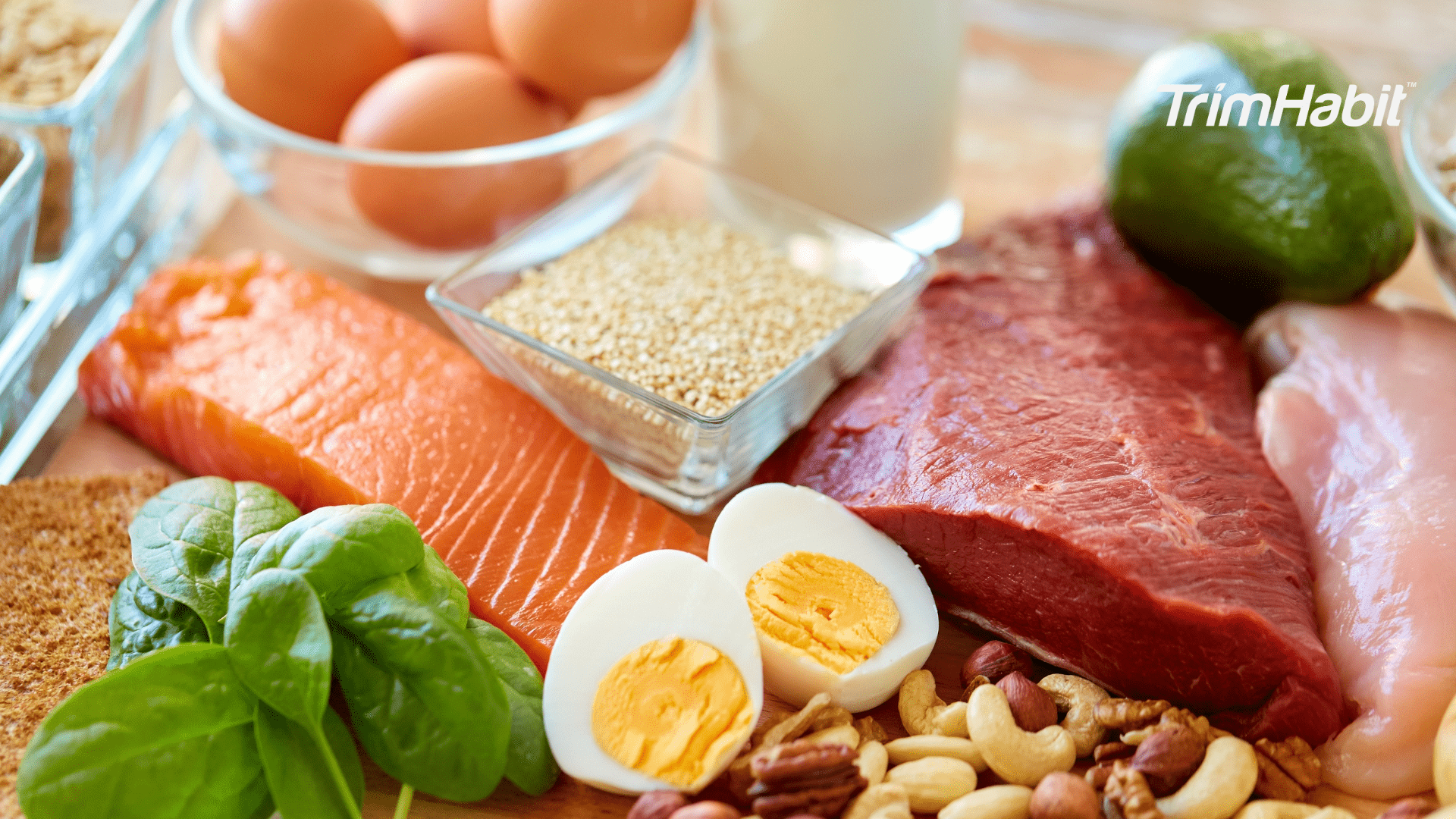
Include lean meats, poultry, eggs, low-fat dairy, legumes, and other protein-rich plant foods. Spreading protein throughout the day helps prevent muscle loss and preserves lean muscle mass, which is critical for calorie burning and overall strength. Strength training enhances this effect, helping you maintain lean muscle as you lose fat. For sustainable weight loss, combining a protein-focused diet with regular exercise is essential.
Adjusting Carbohydrates
Carbohydrates are not the problem, but the type and timing matter. Choosing whole grains, brown rice, fruits, vegetables, and other fiber-rich foods helps your body process carbs more gradually instead of all at once. This keeps energy levels more even, supports digestion, and reduces sudden shifts in blood sugar that can trigger cravings or fatigue3.
Refined carbs, high sugar foods, and fried foods digest quickly and can lead to sharp rises and drops in blood glucose, especially when eaten alone. If your weight loss slows, trimming back on these sources while keeping nutrient-dense carbohydrates can help restart fat loss without putting muscle mass at risk. Pairing carbs with protein and healthy fats also makes meals more filling and easier to sustain for long term weight management.
Healthy Fats Are Essential
Healthy fats are often overlooked in low calorie diets, but they are crucial for hormone production, satiety, and nutrient absorption4. Include sources like olive oil, fatty fish, nuts, seeds, and avocado. These foods help maintain a healthy lifestyle and provide essential nutrients while keeping you satisfied between meals.
Avoid excessive intake of high-fat foods, particularly fried foods or fatty cuts of meat, which contribute excess calories without supporting your metabolic health. Balancing fats with protein and carbohydrates ensures you can sustain weight loss without feeling deprived.
Meal Planning And Food Choices
A nutritious eating plan helps you manage appetite, preserve lean muscle mass, and prevent nutritional deficiencies. Plan meals that include protein-rich foods, fiber-rich foods, healthy fats, and whole grains. For example, breakfast could consist of low-fat dairy, eggs, and whole grains; lunch could feature lean protein, brown rice, and vegetables; dinner could pair fatty fish with fiber-rich vegetables and olive oil.
Using a meal plan helps reduce the temptation of sugary foods and high-sugar foods that can disrupt blood sugar regulation. It also allows you to track food intake, minimize excess calories, and maintain lean muscle while losing fat.
Physical Activity And Strength Training
Adjusting macros goes hand in hand with an exercise plan. Physical activity not only burns calories but also supports muscle maintenance. Strength training is particularly important to preserve lean muscle mass as your body weight decreases. Resistance exercises like squats, push-ups, or weightlifting stimulate muscle growth and help minimize muscle loss.
Cardiovascular exercise supports fat loss, calorie burning, and metabolic health. Combining strength training with regular movement ensures your weight loss program promotes fat loss rather than muscle loss. If you notice weight regain or slow weight loss, adjusting exercise intensity and duration, along with macro intake, can help.
Monitoring Body Composition
Body weight alone does not tell the full story. You want to differentiate between fat loss and lean muscle loss. Use methods like bioelectrical impedance, DEXA scans, or body measurements to track changes in muscle mass and fat. Preserving lean muscle ensures your metabolic rate stays higher, which makes long-term weight management easier and helps prevent weight regain.
If your muscle mass decreases despite weight loss, you may need to increase protein intake or adjust your strength training routine. This is a crucial step to avoid stalling weight loss and to ensure sustainable fat loss.
Handling Weight Loss Plateaus
Weight loss plateaus are common as your body adjusts. As your body weight decreases, your calorie needs may also drop. If you stall weight loss, review your calorie intake, macronutrient balance, and physical activity. Ensure you are prioritizing lean protein, monitoring healthy fats, and choosing whole grains over refined carbs.
Tracking macros during a plateau can highlight areas for improvement. Sometimes small adjustments in protein, carbohydrate, or fat intake can reignite fat loss without compromising lean muscle mass. Staying consistent with a healthy eating pattern and exercise plan is critical during these periods.
Blood Sugar And Metabolic Health
As your body weight decreases, your tolerance for large or unbalanced meals often changes. Foods that never bothered you before may suddenly leave you feeling drained, foggy, or uncomfortable afterward. This is not a failure of willpower or a sign that something is wrong. It is a normal response to having less stored energy and a smaller buffer for fluctuations.
Semaglutide helps smooth out appetite signals, but it does not remove your body’s need for stability. When intake is uneven, energy can dip faster than expected, especially if meals are delayed or inconsistent. This becomes more noticeable the further you move into weight loss, even if progress on the scale continues.
Paying attention to how meals feel rather than how they look on paper becomes more useful at this stage. If you notice shakiness, sudden fatigue, or irritability between meals, it may be a sign that your current macro balance no longer fits your present size. Small adjustments often resolve this without changing calories or restarting tracking.
This phase is less about control and more about responsiveness. The goal is to support metabolic health by matching intake to where your body is now, not where it started.
Long-Term Weight Management
Adjusting macros is not a temporary fix—it’s part of a sustainable weight loss program. Your body adapts to reduced calorie intake and treatment with GLP-1 medications, so your eating habits need to evolve. Focus on a nutritious eating plan, strength training, and consistent physical activity to maintain lean muscle mass and prevent weight regain.
Long-term weight management requires balancing calorie intake, macronutrient distribution, and lifestyle habits. Even as your weight loss slows, prioritizing lean protein, healthy fats, and whole grains supports sustainable progress and minimizes muscle loss.
Building Healthy Habits
A healthy lifestyle extends beyond diet and exercise. Sleep, stress management, and hydration all affect weight loss and muscle preservation. Poor sleep can stall weight loss, affect blood sugar regulation, and increase cravings for high-sugar foods. Incorporating daily movement, strength training, and healthy eating habits creates a foundation for sustainable weight management.
Your food choices, exercise plan, and mindful eating habits collectively contribute to long-term success. Using a food diary to track intake, recording physical activity, and monitoring body composition keeps you accountable and supports steady progress.
How To Know What To Adjust As Your Weight Changes
- Look at meals that feel incomplete, not meals that look “wrong.”
As portions naturally shrink, protein is often the first thing to disappear without you noticing. If you feel full but not satisfied, or hungry again sooner than expected, that is usually a signal to reinforce structure rather than cut calories further.
- Notice changes in training performance before changing food volume.
If strength drops, recovery feels slower, or workouts feel heavier than they should, your intake may no longer match your current activity. This is often a sign that fueling needs have shifted as your size changes, not that effort is lacking.
- Adjust meal timing when energy dips, not just macro ratios.
When energy crashes appear between meals, spreading intake more evenly can solve the issue without changing totals. This matters more as your body becomes less tolerant of long gaps while eating less.
- Use appetite signals as feedback, not permission to under eat.
A reduced desire to eat does not always mean your body is finished needing fuel. If meals are getting skipped unintentionally, structure becomes more important than flexibility.
- Change one variable at a time when progress slows.
If fat loss pauses, avoid cutting calories, adding cardio, and tightening macros all at once. Pick the most likely limiter and adjust only that. This protects muscle and keeps the plan sustainable.
- Reassess portions after noticeable body changes.
The same meal that worked earlier may now exceed what your body needs. Slight portion reductions can restore progress without altering food quality or variety.
- Watch recovery and sleep quality closely.
Poor recovery, restless sleep, or feeling wired but tired often point to mismatches between intake and demand. These signs usually appear before scale changes do.
- Use consistency as your anchor, not precision.
If tracking starts to feel rigid or stressful, return to repeatable meals and patterns you know work. Stability often matters more than exact numbers at this stage.
- Let plateaus guide refinement, not restriction.
A pause in loss is often information, not failure. It tells you your body has adapted and needs a small recalibration rather than aggressive changes.
- Confirm adjustments support the long game.
Any change you make should still feel livable weeks later. If it creates tension, constant hunger, or mental fatigue, it will not support long-term results.
Sample Macro Adjustment Strategy
As you move through your weight loss journey, here’s an example of how to adjust your macros:
- Lean protein: 25-30% of total calories. Prioritize lean chicken, fish, eggs, legumes, or low fat dairy.
- Healthy fats: 25-30% of total calories. Include olive oil, nuts, avocado, and fatty fish.
- Carbohydrates: 40-50% of total calories. Focus on whole grains, brown rice, fiber-rich vegetables, and fruits.
As your weight loss slows, you might reduce carbohydrates slightly, replace some refined carbs with extra protein, or increase strength training to support muscle maintenance. This strategy supports fat loss while helping preserve lean muscle mass, ensuring your body composition improves even if the scale does not move as quickly.
Conclusion
Learning how to adjust your macros as you lose weight on semaglutide isn’t just about numbers on a page; it is about tuning in to how your body responds as it changes. Some days you may feel lighter and more energetic, and other days the same meals that once felt filling leave you hungry again. Your appetite, energy, and even cravings will shift, and that is completely normal. Keeping track of how you feel after meals, noticing changes in strength or recovery, and checking in with your healthcare provider gives you clues about what needs adjustment and what is already working. Small, thoughtful changes usually make more difference than drastic overhauls.
The way you eat, move, and structure your day matters more than perfection. Choosing meals that feel satisfying, including enough protein, filling fiber, and healthy fats, while pairing them with strength training and consistent movement, keeps progress moving forward without feeling deprived. Mindful eating helps you notice when a portion is too small, a snack is unnecessary, or a meal needs more balance. When your macros, exercise, and habits reflect what your body needs right now, you can continue losing fat, protect lean muscle, and feel confident in your weight loss journey long after the early appetite changes from semaglutide have settled.