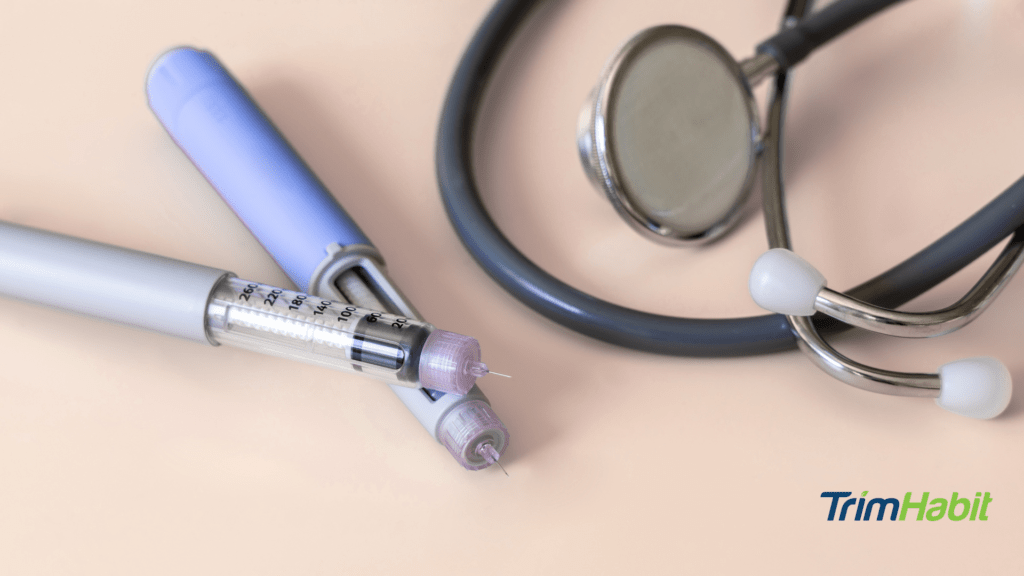
Staying properly hydrated is essential for health, and it becomes even more important when taking medications like semaglutide. Changes in appetite, digestion, and fluid intake are common during treatment, which can quietly raise the risk of dehydration and electrolyte imbalance.
Electrolytes matter because they support heart function, muscle movement, and brain signaling. When levels fall out of balance, symptoms can appear gradually, making it harder to recognize what your body needs while adjusting to semaglutide.
Fortunately, supporting your body does not have to feel complicated. There are easy ways to add electrolytes naturally while on semaglutide and keep your body properly nourished.
Semaglutide Overview
Semaglutide is a medication originally developed to help manage type 2 diabetes and is now widely recognized for its role in weight loss support. It mimics a naturally occurring hormone called GLP-1, which helps regulate blood sugar, slow digestion, and strengthen feelings of fullness. This hormone activity encourages insulin release and helps signal satiety, leading many people to eat less and feel satisfied sooner1.
Electrolytes Overview
Electrolytes are minerals that carry an electric charge and are essential for maintaining many of the body’s core functions. They help regulate fluid balance, muscle contractions, nerve signaling, and pH levels, particularly when consumed through specific foods2.
What Electrolytes Are
Key electrolytes include:
- Sodium (Na+)
- Potassium (K+)
- Magnesium (Mg²+)
- Calcium (Ca²+)
- Chloride (Cl–)
- Phosphate (PO₄³–)
- Bicarbonate (HCO₃–)
These minerals dissolve in body fluids and create electrical gradients that maintain cell function properly.
Sources of Electrolytes
Electrolytes come from:
- Whole foods (fruits, vegetables, dairy, nuts, meats)
- Salt and mineral-rich foods
- Hydration drinks or electrolyte supplements (helpful during heavy sweating or illness)
Creating your own electrolyte drink with natural ingredients, such as fruits and juices, is a straightforward way to replenish lost minerals, particularly after sweating or engaging in physical activity.
When Electrolytes Drop
Common causes of electrolyte depletion include factors that lead to loss of electrolytes during everyday activities:
- Heavy sweating
- Dehydration
- Vomiting or diarrhea
- Intense exercise
- Low-carb or fasting diets
- Certain medications (e.g., diuretics)
It’s important to replenish lost electrolytes, especially after intense exercise or illness, to restore mineral balance and prevent dehydration.
Signs of imbalance may include:
- Dizziness
- Fatigue
- Muscle cramps or weakness
- Headaches
- Irregular heartbeat (in severe cases)
Do You Need Electrolyte Supplements?
You may benefit if you:
- Sweat heavily or exercise intensely
- Follow keto/low-carb diets
- Work in heat
- Are dehydrated from illness
- Drink a lot of caffeine or alcohol
During these times, it’s essential to monitor and replenish your electrolyte levels to replenish electrolytes. to prevent imbalance and support muscle, nerve, and heart function.
For most people, a balanced diet provides enough electrolytes, but certain lifestyles and conditions can increase the body’s demand.
Why Electrolytes Matter On Semaglutide
Semaglutide can change hydration and electrolyte needs because it affects both appetite and digestion. As eating patterns shift and portions become smaller, fluid intake often changes as well, sometimes without much awareness. The medication slows gastric emptying and helps regulate appetite, which supports weight management but can also influence how fluids and electrolytes are absorbed and retained3.
Reduced Appetite Means Lower Food Intake
Because semaglutide suppresses appetite, many people naturally eat less. While this supports weight loss, it can also reduce intake of electrolyte rich foods such as fruits, vegetables, broths, and dairy. Focusing on foods that provide electrolytes and hydration becomes more important during treatment to support normal body function.
Electrolytes such as sodium, potassium, and magnesium help regulate muscle movement, nerve signaling, energy production, and fluid balance4. When intake drops, even subtle shifts can affect how your body feels day to day while taking semaglutide.
Digestive Changes Can Influence Hydration
Nausea, vomiting, or diarrhea may occur in some individuals, particularly during dose adjustments. Even if symptoms are mild or occasional, they can still lead to increased fluid and electrolyte loss, so it’s always wise to seek professional medical advice. These digestive symptoms can negatively impact hydration levels, making it essential to monitor and maintain adequate fluid intake to prevent dehydration and related issues5.
Semaglutide Slows Digestion
Slower digestion may reduce thirst cues, making it easier to drink less than you need without realizing it. This can result in lower water intake, increasing the risk of dehydration6.
Weight Loss Alters Fluid Needs
As your metabolism changes during weight loss, your body may require different amounts of fluids and minerals to stay properly balanced. These shifts can affect hydration, energy levels, and how your body functions.
Easy Ways To Add Electrolytes Naturally While On Semaglutide
Here are simple, natural, and gentle ways to add electrolytes while taking semaglutide without relying on sugary drinks or artificial supplements.
Some individuals may require an additional boost of electrolytes, particularly those with higher needs due to age, increased activity level, or a specific lifestyle.
1. Add a Pinch of Mineral Salt to Your Water
A small pinch of Himalayan pink salt or Celtic sea salt adds sodium and trace minerals that support water absorption.
Alternatively, electrolyte powders can also be added to water for a convenient way to boost electrolyte intake.
How to do it:
- Add about ⅛ teaspoon to a large glass or bottle of water.
- Add lemon for flavor.
2. Drink Coconut Water
Coconut water is a natural source of potassium, magnesium, and sodium, with no added sugars.
Tip: Choose unsweetened, 100% coconut water for the cleanest option.
3. Eat Hydration-Rich Fruits and Vegetables
Hydrating produce provides both water and electrolytes in light, easy-to-digest portions. Citrus fruits are excellent sources of electrolytes and can be easily added to your diet to support hydration.
Examples:
- Watermelon
- Cucumbers
- Oranges
- Berries
- Leafy greens
4. Sip Homemade Electrolyte Water
You can make a simple, natural alternative to store-bought sports drinks right at home.
Recipe:
- 16 oz water
- Juice of ½ lemon
- ⅛–¼ tsp mineral salt
- 1 tsp honey (optional)
5. Enjoy Broths and Soups
Warm broths provide essential nutrients, including sodium and minerals, while being gentle on the digestive system.
Good options are:
- Chicken broth
- Vegetable broth
- Bone broth
6. Focus on Potassium-Rich Foods
Potassium is essential for hydration and heart health.
Top sources include:
- Bananas
- Avocados
- Sweet potatoes
- Tomato juice
- Beans and lentils
7. Eat Foods High in Magnesium
Magnesium supports muscle function and metabolic health.
High-Magnesium Choices:
- Pumpkin seeds
- Almonds
- Spinach
- Dark chocolate
- Black beans
8. Drink Water Consistently (But Pace It)
Take small sips throughout the day rather than large gulps, especially if you feel full quickly on semaglutide. Drinking enough water supports hydration and helps your body function smoothly. Using a water bottle can make it easier to stay consistent, and for most people, plain water is enough unless you are doing intense exercise.
Hydration Tips:
- Use a straw
- Sip every 15–20 minutes
- Infuse your water with fruit
9. Add a Splash of Natural Fruit Juice
A small amount of juice adds potassium and natural sugars that aid hydration.
Best Options:
- Orange juice
- Pineapple juice
- Tart cherry juice
Dilute at a 1:4 ratio (one part juice to four parts water).
10. Make Smoothies a Hydration-Friendly Meal
Smoothies are a great way to combine electrolytes, nutrients, and hydration.
Ideas:
- Coconut water + berries + spinach
- Banana + yogurt + a pinch of salt
- Watermelon + lime + mint
11. Use Natural Yogurt or Kefir
These dairy options supply calcium, potassium, and sodium, along with probiotics that support gut health.
Tip: Choose plain, unsweetened varieties for the most natural electrolyte boost.
12. Add Chia Seeds to Water or Meals
Chia seeds hydrate your body by forming a water-rich gel and provide essential minerals, such as magnesium and potassium.
Ways to Use:
- Add to water
- Sprinkle on yogurt
- Blend into smoothies
Sample Daily Electrolyte-Focused Meal Guide
Morning
- Mineralized lemon water
- Greek yogurt with berries
Mid-Morning
- Coconut water
Lunch
- Broth-based soup
- Spinach and avocado salad
Afternoon
- Smoothie or chia water
Evening
- Salmon or tofu
- Sweet potato
- Steamed greens
Before Bed
- Lemon-infused water
When To Talk To A Healthcare Professional
Check in with a healthcare provider if you notice any of the following while taking semaglutide:
- Ongoing nausea
- Frequent dizziness
- Rapid heartbeat
- Signs of dehydration
- Persistent digestive issues
These symptoms can indicate inadequate hydration or electrolyte imbalances, which may increase the risk of kidney stones and cardiovascular problems. Because everyone’s hydration needs differ, getting personalized medical advice is important if these signs persist.