Increasing your semaglutide dose can change how much you want to eat and how comfortably you digest food. You might feel full after just a few bites, notice nausea after meals, or find that foods you previously enjoyed suddenly feel too heavy. These changes can be particularly noticeable during dose increases, when your digestive system is adjusting to the medication.
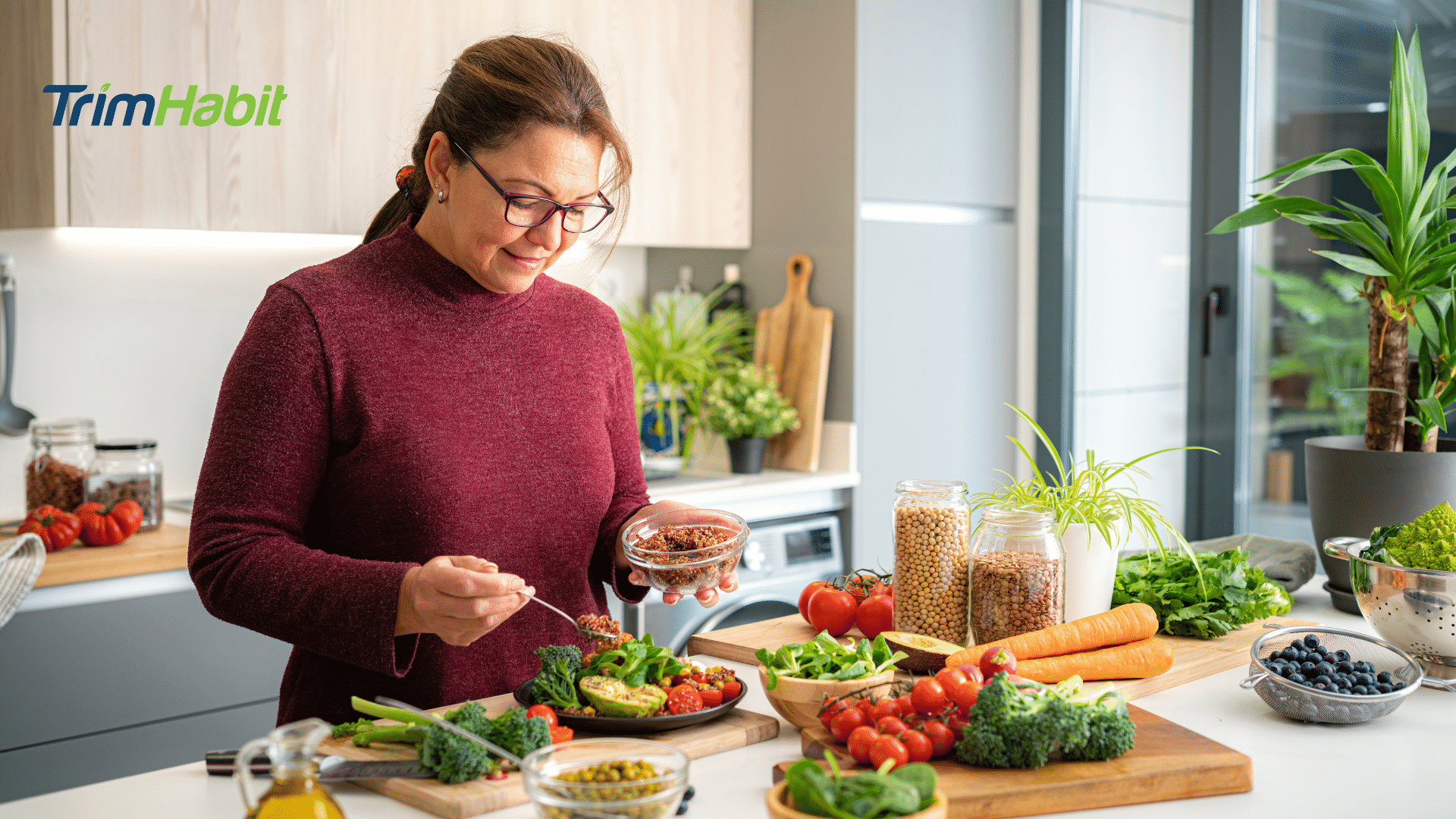
Knowing what to eat when increasing your semaglutide dose can help you manage these changes without missing out on important nutrients. You do not need to follow a strict diet or survive on bland foods. Instead, focus on smaller portions, protein-rich foods, easily tolerated carbohydrates, and enough fluids to support your body while your appetite and digestion adjust.
The right food choices also matter when your appetite drops significantly. Eating much less than usual can make it harder to obtain enough protein, fiber, vitamins, and minerals, especially if nausea makes certain foods unappealing. A few adjustments to your meals can help you maintain adequate nutrition while making the transition to a higher dose more comfortable.
Why Your Diet Matters When Increasing Semaglutide
Semaglutide mimics glucagon-like peptide-1 (GLP-1), a hormone involved in appetite regulation, blood sugar control, and digestion. It helps you feel satisfied with less food and can slow gastric emptying, meaning food may remain in your stomach longer.
When your dose increases, gastrointestinal side effects such as nausea, vomiting, diarrhea, constipation, and abdominal discomfort may become more noticeable. These symptoms are commonly reported during dose escalation, although not everyone experiences them. They also tend to improve as your body adjusts to treatment1.
The amount and type of food you eat can influence how comfortable you feel after a meal. Large portions and high-fat meals may worsen nausea or leave you feeling uncomfortably full. On the other hand, skipping meals because you are not hungry can make it difficult to meet your nutritional needs.
You do not need to eat a special set of foods because your dose has changed. The priority is to choose foods you tolerate well, eat manageable portions, and maintain a balanced intake even when your appetite is lower than usual.
What To Eat When Increasing Your Semaglutide Dose
1. Choose Lean Protein to Support Your Muscles
Protein deserves particular attention when increasing your semaglutide dose. Because the medication can substantially reduce your appetite, you may eat less overall without realizing how much your protein intake has fallen.
Your body needs protein to maintain and repair muscle tissue, support immune function, and produce enzymes and other essential substances. During weight loss, some lean tissue can be lost along with body fat. Getting enough protein, alongside appropriate resistance exercise, can help support muscle maintenance.
However, protein-rich foods can feel heavy when you are experiencing nausea or early fullness. You do not need to force yourself to eat a large chicken breast or steak if it makes you uncomfortable. Smaller servings of softer, leaner protein sources may be easier to manage.
Consider these options:
- Eggs: Scrambled, boiled, or poached eggs provide protein in a relatively small serving.
- Fish: Steamed, baked, or grilled fish offers protein without the heavy coating or excess oil found in fried preparations.
- Chicken: Skinless chicken breast or tender chicken pieces can be added to soup, rice, or a small meal.
- Greek yogurt: Plain Greek yogurt provides protein and can be easier to eat when solid food feels unappealing.
- Tofu: Soft tofu works well in soups, rice bowls, or lightly seasoned dishes.
- Beans and lentils: These provide protein and fiber, although larger servings may cause gas or bloating in some people.
You can spread protein across several smaller meals rather than trying to consume most of it at dinner. For example, you might have an egg at breakfast, yogurt as a snack, and fish at lunch.
There is no single protein target that suits everyone taking semaglutide. Your needs depend on factors such as body size, age, activity level, and medical conditions. People with kidney disease may require individualized advice about protein intake, so avoid automatically adopting a high-protein diet without considering your health history.
2. Eat Easily Tolerated Carbohydrates When Nausea Strikes
Carbohydrates can be useful when your stomach feels unsettled and heavier meals seem unappealing. Foods such as rice, toast, crackers, oatmeal, potatoes, and plain noodles can provide energy without requiring a large meal.
These foods are not a treatment for semaglutide-related nausea, and they do not work for everyone. However, a small serving may be easier to tolerate than a large, rich meal, particularly during the first few days after a dose increase.
You could try:
- A small bowl of oatmeal.
- Toast with a boiled egg.
- Plain rice with steamed fish.
- A baked potato with a little yogurt or cottage cheese.
- Crackers alongside a small serving of soup.
- A modest portion of noodles with chicken and soft vegetables.
Carbohydrates remain an important energy source, and whole grains, fruits, and starchy vegetables provide fiber and other essential nutrients. Including them in balanced meals can help maintain adequate nutrition while taking semaglutide.
The key is to consider both portion size and preparation. A small bowl of rice with fish may feel comfortable, while a large serving of creamy pasta or heavily buttered mashed potatoes may leave you feeling overly full.
If nausea is particularly strong, start with a small amount of a food you usually tolerate and eat slowly. Once your stomach settles, you can add protein or other nutrient-rich foods rather than relying exclusively on crackers or toast for several days.
3. Include Fruits and Vegetables Without Overloading Your Stomach
Fruits and vegetables supply vitamins, minerals, water, and fiber. These nutrients remain important even when your food intake decreases during semaglutide treatment.
However, a large salad or an enormous serving of raw vegetables may be uncomfortable if you are already experiencing bloating or early fullness. Raw vegetables, fibrous fruit skins, and large amounts of fiber can be difficult for some people to tolerate during periods of gastrointestinal symptoms.
Try smaller servings of softer foods first. Cooked carrots, zucchini, squash, spinach, and other tender vegetables may feel easier to eat than a large bowl of raw vegetables. You can also add vegetables to soup, congee, or a small rice meal.
For fruit, consider bananas, melon, ripe papaya, peeled apples, or other fruits you find comfortable to eat. Soft fruit can be especially convenient when your appetite is low.
You can also blend fruit with plain yogurt or milk to make a smoothie. Keep the serving modest, since drinking a large smoothie quickly can leave you feeling just as full as eating a large meal.
Fiber is still important, particularly if semaglutide causes constipation. The goal is not to avoid fiber indefinitely but to adjust the amount and texture to your symptoms. If your stomach is unsettled, temporarily choosing softer, lower-fiber foods may help. Once symptoms improve, gradually return to a wider variety of fruits, vegetables, legumes, and whole grains.
Increasing fiber too quickly can cause gas and bloating, especially when you are not drinking enough fluids. A gradual increase is usually more comfortable than suddenly adding large portions of bran, beans, or raw vegetables.
4. Limit Greasy and High-Fat Meals During the Adjustment Period
High-fat foods are not automatically unhealthy, and you do not need to eliminate all dietary fat while taking semaglutide. However, meals containing substantial amounts of fat may worsen nausea, indigestion, and uncomfortable fullness during dose escalation.
Dietary fat can slow stomach emptying, adding to the effects semaglutide may already have on digestion. The combination can make a rich meal feel as though it is sitting in your stomach for hours.
Foods that may be harder to tolerate include deep-fried chicken, greasy burgers, heavy cream sauces, large portions of fatty meat, and meals loaded with butter or oil. Rich pastries and fried snacks may also trigger symptoms in some people.
Instead, try baking, steaming, grilling, poaching, or lightly sautéing your food. Choose leaner cuts of meat and use moderate amounts of oil when cooking.
For example, steamed fish with rice and cooked vegetables may be more comfortable than battered, deep-fried fish with creamy sauce. A small serving of chicken soup may also feel easier to tolerate than a large serving of fried chicken.
That does not mean you need to avoid healthy fats entirely. Nuts, seeds, olive oil, and avocado provide essential fatty acids and other nutrients. Smaller portions may be easier to tolerate than large amounts eaten at once.
Pay attention to your own response. If a particular food repeatedly triggers nausea or prolonged fullness, reduce the portion or choose an alternative while your body adjusts.
5. Eat Smaller Meals Instead of Forcing Yourself to Finish a Large Plate
One of the most practical changes you can make after increasing your semaglutide dose is to reduce the size of your meals.
Semaglutide can increase feelings of fullness and slow gastric emptying. A portion that previously felt normal may now leave you uncomfortable, especially if you continue eating after you have started to feel full.
Eating smaller meals more frequently can help you get enough nutrition without overwhelming your stomach. Rather than having three large meals, you might prefer several smaller meals or snacks spread across the day.
For example, your meals might look like this:
- Breakfast: One scrambled egg with toast.
- Midmorning: A small serving of yogurt.
- Lunch: Rice with steamed fish and cooked vegetables.
- Afternoon: A banana or a few crackers with cheese.
- Dinner: Chicken and vegetable soup with a small serving of rice.
This is only an example, not a prescribed meal plan. Your appetite, nutritional needs, food preferences, and symptoms will determine how much and how often you eat.
The important part is to slow down and stop when you feel comfortably satisfied. You do not need to finish everything on your plate if you are already full. Save the remainder for later if it can be stored safely.
Avoid deliberately going long periods without food simply because you do not feel hungry. Appetite suppression can make hunger cues less noticeable, but your body still needs energy and nutrients. If you regularly struggle to eat enough, consider discussing a more structured eating schedule with a registered dietitian or your prescribing clinician.
6. Drink Enough Fluids, Especially if You Have Nausea or Diarrhea
Hydration becomes particularly important when increasing semaglutide because nausea, vomiting, and diarrhea can reduce your fluid intake or cause additional fluid loss.
Dehydration may contribute to headaches, dizziness, fatigue, and constipation. Significant fluid loss can also affect kidney function, making persistent vomiting or diarrhea more concerning than an ordinary upset stomach.
Water is an excellent choice. You can also obtain fluids from broth, soups, and other drinks that you tolerate well. Drinking small amounts regularly may be easier than trying to finish a large glass at once when you feel nauseated.
If drinking with meals makes you feel overly full, try sipping fluids between meals instead. You do not need to avoid drinking water with food entirely. The aim is to find a pattern that allows you to stay hydrated comfortably.
Keep an eye on your urine output as well. Passing less urine than usual or noticing very dark urine can be a sign that you are not getting enough fluids, particularly if accompanied by dizziness or a dry mouth.
If you have repeated vomiting or diarrhea, do not rely on water alone while ignoring ongoing fluid losses. An oral rehydration solution may be appropriate, depending on your symptoms and medical circumstances. People with kidney disease or heart failure may need individualized fluid advice.
Seek medical attention if you cannot keep fluids down, have persistent vomiting, or develop signs of significant dehydration. Severe or persistent abdominal pain also requires prompt assessment.
7. Adjust Your Food Choices to the Side Effects You Experience
Not everyone responds to a semaglutide dose increase in the same way. Some people mainly experience nausea, while others notice constipation, diarrhea, or bloating. Your food choices should reflect the symptoms you actually have rather than forcing you to follow one restrictive diet.
If you experience nausea
Choose small portions of relatively bland, lower-fat foods. Toast, crackers, rice, oatmeal, bananas, and broth-based soups may be easier to tolerate. Avoid forcing yourself to eat rich meals, and slow down when eating.
Some people find ginger tea helpful, although it is not guaranteed to relieve medication-related nausea. If symptoms interfere with your ability to eat or drink, contact your healthcare provider rather than relying entirely on dietary changes.
If you experience constipation
Focus on adequate fluids and gradually increase fiber as tolerated. Oatmeal, kiwi, pears, vegetables, beans, and whole grains can help you obtain more fiber. Prunes may also help some people.
Physical activity, including regular walking if you feel well enough, can support bowel regularity. However, increasing fiber without drinking enough fluid may make constipation more uncomfortable.
If constipation persists, becomes painful, or is accompanied by significant abdominal swelling or vomiting, seek medical advice. Do not assume that every change in bowel habits is a harmless medication side effect.
If you experience diarrhea
Prioritize fluids and choose foods that are easy on your stomach, such as rice, toast, bananas, potatoes, broth, and lean chicken. Temporarily reducing greasy foods, large amounts of raw vegetables, and very spicy meals may help.
You may also find that milk or other lactose-containing foods worsen diarrhea, especially if you have difficulty digesting lactose. Avoid foods that clearly aggravate your symptoms, but do not maintain an unnecessarily restrictive diet once you recover.
Persistent diarrhea, blood in the stool, severe pain, or signs of dehydration warrant medical assessment.
If you experience bloating or uncomfortable fullness
Reduce meal sizes and eat slowly. Carbonated drinks, very large meals, and foods that produce gas, such as beans or certain cruciferous vegetables, may worsen symptoms for some people.
There is no need to remove these foods permanently. Try smaller portions or different preparation methods and reintroduce them as tolerated.
8. Make Room for Nutrient-Dense Foods When Your Appetite Is Low
When you eat less, the nutritional quality of your meals becomes especially important. You may have less room for foods that provide few nutrients, so prioritize options that supply protein, vitamins, minerals, and energy in manageable portions.
For example, plain yogurt can provide more protein than a similar-sized serving of many snack foods. Eggs offer protein and several essential nutrients. Fish provides protein and, depending on the type, omega-3 fatty acids. Fruit, vegetables, whole grains, and legumes contribute fiber and micronutrients.
You can combine these foods in simple meals rather than preparing elaborate dishes. A small bowl of oatmeal with yogurt, rice with fish and cooked vegetables, or soup containing chicken and soft vegetables can provide a range of nutrients without requiring a large serving.
Be careful not to interpret reduced appetite as a reason to eat as little as possible. If you consistently consume very small amounts of food, you may not get enough energy or essential nutrients to support normal body functions.
Fatigue, weakness, dizziness, and difficulty maintaining your usual activities can have several causes, but they deserve attention if they develop while you are eating substantially less. A healthcare professional can assess whether your intake is adequate and whether additional nutritional support is needed.
Routine vitamin or mineral supplements are not automatically necessary for everyone taking semaglutide. Supplements may be useful when a deficiency is identified or your diet cannot meet your needs, but they should not replace a varied diet or an appropriate medical assessment.
When To Contact Your Healthcare Provider
Dietary changes can help manage mild gastrointestinal symptoms, but they cannot resolve every problem associated with semaglutide.
Contact your prescribing clinician if nausea, vomiting, diarrhea, or constipation persists, interferes with daily activities, or makes it difficult to eat and drink adequately. You may need an assessment, additional symptom management, or a review of your dose escalation schedule.
Do not increase your dose faster than prescribed or change your medication schedule on your own. If you are struggling to tolerate the current dose, your clinician can determine whether you should remain at that dose longer or make another adjustment.
Seek urgent medical attention for severe or persistent abdominal pain, particularly if it spreads to your back or occurs with vomiting. Persistent vomiting, an inability to keep fluids down, or signs of severe dehydration also require prompt assessment.
If you take semaglutide for diabetes, be especially careful if you also use insulin or a sulfonylurea. Eating substantially less than usual can affect your blood sugar, and these other medications can increase the risk of hypoglycemia. Follow your prescribed glucose-monitoring instructions and contact your healthcare team if you are unsure how to manage reduced food intake.
Frequently Asked Questions
Should you eat less when increasing your semaglutide dose?
You may naturally eat less because semaglutide reduces appetite and increases fullness. However, there is no need to deliberately restrict food further just because your dose has increased. Eat portions you can comfortably tolerate while ensuring you obtain enough protein, energy, fluids, and essential nutrients.
Is it better to eat before or after your semaglutide injection?
For injectable semaglutide, you can generally administer the medication with or without food. You do not need to eat a special meal before or after your injection. Choose meals based on your appetite and symptoms, and follow the instructions for your specific product. Oral semaglutide has different administration requirements and must be taken according to its prescribed instructions.
How long should you eat bland foods after increasing your dose?
There is no fixed number of days. If nausea develops, bland, lower-fat foods may be helpful while symptoms are active. Gradually return to your usual balanced diet as you feel better and can tolerate a wider variety of foods. If symptoms persist or prevent adequate intake, seek medical advice.
What if you have no appetite after increasing semaglutide?
Try small, nutrient-dense meals or snacks at regular intervals rather than waiting for strong hunger signals. Soft foods, yogurt, eggs, soups, and small protein-containing meals may be easier to manage. If you repeatedly struggle to eat enough, experience weakness, or cannot maintain adequate hydration, contact your healthcare provider.
Final Thoughts
Increasing your semaglutide dose does not mean you need to overhaul your diet or follow a strict list of approved foods. Smaller meals, lean protein, easily tolerated carbohydrates, cooked vegetables, and adequate fluids can help you manage common digestive symptoms while maintaining your nutritional intake.
Your food choices may need to change temporarily as your body adjusts. Pay attention to what feels comfortable, avoid forcing yourself to finish large portions, and gradually expand your meals as symptoms improve. Most importantly, do not ignore persistent side effects or a significant drop in food intake. The right combination of dietary adjustments and medical support can help you tolerate treatment while protecting your health during weight loss.