If constipation has become a problem while taking semaglutide, you may be wondering what to eat for constipation while taking semaglutide. What you choose to eat can affect how easily your digestive system moves food through, especially when semaglutide has changed your appetite or digestion.
Making a few adjustments to your usual meals may help support more regular bowel movements without making your diet feel overly restrictive. The best choices can also depend on how well you tolerate different foods while taking semaglutide.
This guide looks at foods that may help relieve constipation and how to include them in your meals without adding unnecessary digestive discomfort.
Why Can Semaglutide Cause Constipation?
Semaglutide affects several processes involved in digestion. One of its effects is delayed gastric emptying, meaning food can remain in the stomach longer. Constipation is also listed among the common gastrointestinal side effects of semaglutide medications1.
At the same time, you may be eating less overall because semaglutide can reduce your appetite. If your portions become much smaller, you may also unintentionally consume less fiber and fluid throughout the day.
Your routine may change in other ways, too. For example, you might:
- Eat fewer fruits and vegetables because you are eating less.
- Drink less because you feel full quickly.
- Eat fewer whole grains and legumes.
- Become less physically active because you are experiencing nausea or fatigue.
- Ignore the urge to have a bowel movement because your routine has changed.
All of these factors can contribute to constipation.
Constipation does not necessarily mean you need to completely change your diet. Instead, you can make the foods you already eat work harder by adding fiber gradually and paying closer attention to hydration.
How Much Fiber Do You Need?
Fiber is one of the most important nutrients to consider when you are dealing with constipation. For adults, general recommendations are around 22 to 34 grams of fiber per day, depending on age and sex.
You do not need to reach that amount overnight.
If you currently eat very little fiber, suddenly adding large amounts of beans, bran, vegetables, and fruit can cause gas, bloating, and abdominal discomfort. Instead, increase your intake gradually so your digestive system has time to adjust.
This can be especially important while taking semaglutide because you may already experience digestive symptoms.
Rather than trying to eat one extremely high-fiber meal, spread fiber throughout the day. For example, you could have oatmeal with berries at breakfast, a lentil or bean-based food at lunch, and vegetables with dinner.
This way allows you to increase your fiber intake without making one meal unnecessarily large.
What To Eat For Constipation While Taking Semaglutide
There is no single food that works for everyone. A combination of fiber-rich foods, fluids, and regular meals is generally more useful than relying on one supposed constipation remedy.
Here are some of the best foods to consider.
1. Pears
Pears can be an easy way to add both fiber and fluid to your diet. Eating the skin provides additional fiber, and pears can be easier to incorporate into a smaller meal or snack than a large serving of vegetables.
Try adding sliced pear to oatmeal, yogurt, or a small snack.
If eating a whole pear feels like too much, you can start with a smaller portion and see how your body responds.
2. Apples With the Skin
Apples are another convenient source of fiber, particularly when you eat the skin.
You can pair an apple with a protein source such as Greek yogurt or a small amount of nut butter. This can help you build a more balanced snack without needing to eat a large amount of food.
If raw apples worsen bloating or discomfort for you, try cooked apples instead.
3. Berries
Berries can provide fiber without requiring a large serving. Raspberries, in particular, are relatively high in fiber, making them an easy addition to meals, yogurt, or snacks.
You can add berries to:
- Oatmeal
- Greek yogurt
- Cottage cheese
- A smoothie
- Whole grain cereal
They are also useful when your appetite is lower because a small serving can add flavor and nutrients without creating a very heavy meal.
4. Prunes
Prunes are one of the better-known foods for constipation, and there is a reason they are commonly recommended. They provide fiber and naturally occurring compounds that can help draw water into the colon.
You do not necessarily need a large serving.
Start with a small amount and see how your digestion responds. Prune juice is another option, although whole prunes provide fiber that you do not get in the same amount from juice.
If you are already experiencing diarrhea, cramping, or significant bloating, prunes may not be the best choice for you.
5. Oatmeal
Oatmeal can be an especially practical breakfast when you are taking semaglutide.
Oats provide fiber and are easy to combine with other foods that support digestive health. You can add berries, sliced pear, chia seeds, ground flaxseed, or a small amount of nuts.
If a large bowl feels too filling, make a smaller portion and add toppings rather than forcing yourself to finish a large serving.
6. Chia Seeds
Chia seeds contain a substantial amount of fiber and can absorb liquid, forming a gel-like texture.
You can add a small amount to oatmeal, yogurt, or a smoothie. However, because chia seeds increase your fiber intake quickly, start with a modest amount and drink enough fluid.
Adding more fiber without enough fluid can make constipation feel worse rather than better. Drinking enough fluids helps fiber move through your digestive system and can make bowel movements easier to pass.
7. Ground Flaxseed
Ground flaxseed can also help you increase your dietary fiber intake.
Try adding a small amount to oatmeal, yogurt, smoothies, or another meal you already enjoy. Ground flaxseed is generally easier to incorporate than trying to eat a large quantity of whole seeds.
As with other high-fiber foods, increase the amount gradually.
8. Beans and Lentils
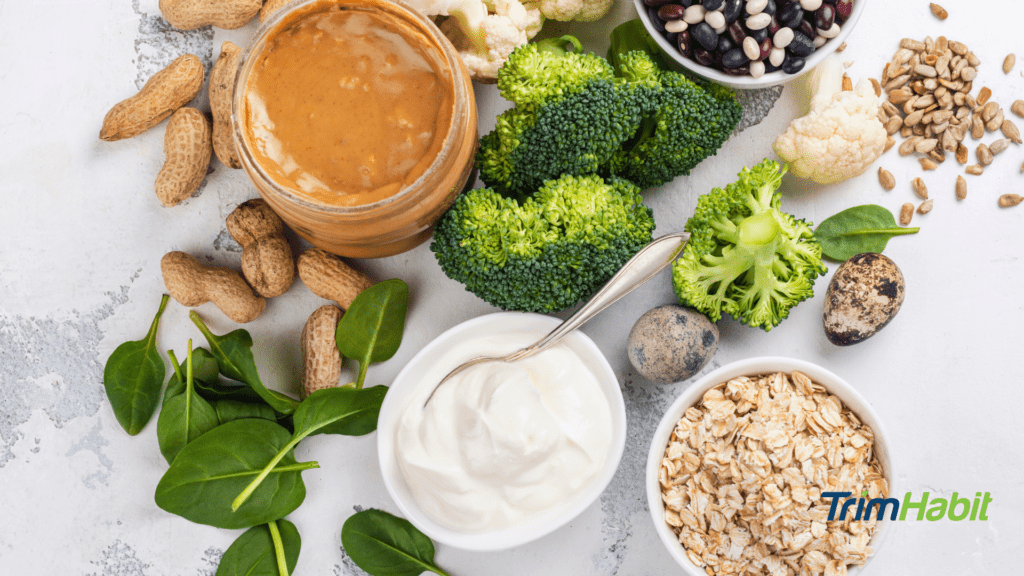
Beans and lentils are excellent sources of dietary fiber. Lentils, black beans, chickpeas, kidney beans, and other legumes can help increase your daily fiber intake and support regular bowel movements.
They can be added to soups, salads, rice dishes, or wraps.
However, beans can also cause gas and bloating. If your stomach is already sensitive from semaglutide, begin with a smaller serving rather than suddenly eating a large bowl of beans.
9. Vegetables
Vegetables can help you increase fiber while adding vitamins, minerals, and other nutrients to your meals.
Good options include:
- Broccoli
- Carrots
- Green peas
- Sweet potatoes
- Squash
- Leafy greens
If raw vegetables make you feel overly full or uncomfortable, try cooked vegetables instead. Cooking can also make them easier to eat when your appetite is reduced.
You do not need to build enormous salads to get more vegetables into your diet. A small serving alongside lunch or dinner can be enough to start.
10. Whole Grains
Whole grain foods can contribute fiber without requiring you to dramatically increase the amount of food you eat.
Consider:
- Oatmeal
- Whole wheat bread
- Whole grain cereal
- Brown rice
- Whole grain pasta
- Barley
If you normally eat refined grains, replacing some of them with whole grain versions can gradually increase your fiber intake.
Do You Need More Water When Taking Semaglutide?
Hydration is an important part of managing constipation.
Fiber works by adding bulk to stool and helping it retain water. If you increase your fiber intake without drinking enough fluid, you may experience more bloating or even worsening constipation. Drinking enough water and other fluids helps fiber work more effectively.
This can be challenging when semaglutide makes you feel full more easily.
Instead of trying to drink a large amount at once, spread fluids throughout the day. Keep water available and take regular sips between meals.
Other fluids can contribute as well, including clear soups and certain unsweetened beverages. Your individual fluid needs can vary based on factors such as your body size, activity level, health conditions, medications, and climate.
If a healthcare professional has given you a specific fluid restriction, follow that advice rather than increasing your fluid intake on your own.
What If Fiber Makes Your Constipation Worse?
More fiber is not always better, particularly when you increase it too quickly.
If you suddenly go from eating very little fiber to eating large amounts of beans, vegetables, seeds, bran, and fruit, you may experience gas and bloating. Increase your fiber intake gradually to give your digestive system time to adjust.
This matters even more if semaglutide is already causing nausea, bloating, or abdominal discomfort.
Instead, try one change at a time.
For example, you could add berries to breakfast for several days. Once that feels comfortable, add a serving of vegetables to another meal. Later, you could incorporate oatmeal, beans, or another fiber-rich food.
This makes it easier to identify what your body tolerates well.
Build Smaller Meals That Support Regularity
One of the challenges of eating for constipation while taking semaglutide is that you may not have the appetite for large meals.
You do not need to force yourself to eat huge portions just to consume more fiber.
Instead, make smaller meals more nutrient-dense.
A breakfast could include a small bowl of oatmeal topped with berries and ground flaxseed. Lunch could include a modest serving of lentils with vegetables and a whole grain. Dinner could include a small portion of protein with sweet potato and cooked vegetables.
Snacks can also contribute fiber. A pear, apple, berries with yogurt, or a small serving of prunes can fit into your day without requiring a large meal.
This approach can help you increase fiber while respecting the appetite changes you may experience with semaglutide.
A Simple Day Of Eating For Constipation
If you are wondering what a constipation-friendly day could actually look like, keep it simple.
Breakfast:
Oatmeal topped with berries and a small amount of ground flaxseed, plus water.
Mid-morning:
A pear or apple with the skin.
Lunch:
Lentil soup with vegetables and a serving of whole grain bread.
Afternoon:
Greek yogurt with berries.
Dinner:
A modest portion of protein with sweet potato and cooked vegetables.
Throughout the day:
Drink water regularly rather than waiting until you feel very thirsty.
You do not need to copy this exact menu. The important pattern is the combination of fiber-rich foods, fluids, and balanced meals.
Can Exercise Help With Constipation?
Food is only one part of managing constipation.
Regular physical activity may help stool move through the digestive tract. Staying active can support more regular bowel movements and may help prevent constipation2.
You do not necessarily need an intense workout.
Walking can be a practical option, particularly after meals or when you have been sitting for long periods. If you already have an exercise routine, continuing regular movement may support your digestive health.
If you are experiencing significant symptoms or have been inactive for a long time, speak with your healthcare professional about appropriate activity for you.
Pay Attention To Your Bathroom Routine
Your eating habits are important, but your bathroom habits matter too.
Try not to ignore the urge to have a bowel movement. It can also help to set aside enough time to use the bathroom without rushing, particularly after breakfast or another meal. Eating can stimulate movement in the colon, so trying to have a bowel movement about 15 to 45 minutes after breakfast may help.
Give yourself enough time rather than rushing.
A small footstool can also make positioning more comfortable for some people.
When Should You Talk To Your Doctor?
Mild constipation may improve with changes to your diet, fluids, physical activity, and bathroom routine. However, you should not assume every digestive symptom is simply a normal side effect of semaglutide.
Contact your healthcare professional if constipation persists despite self-care or is interfering with your daily life.
Seek medical attention promptly if constipation occurs with symptoms such as:
- Constant or severe abdominal pain
- Vomiting
- Inability to pass gas
- Blood in your stool or rectal bleeding
- Fever
- Unexplained weight loss
These symptoms can indicate a more serious problem and should not simply be managed by adding more fiber.
The FDA prescribing information for semaglutide also includes reports of severe constipation, including fecal impaction and intestinal obstruction, among postmarketing gastrointestinal events.
If constipation becomes severe, do not increase your semaglutide dose, stop taking it, or change your medication schedule on your own. Discuss the symptoms with your prescriber.
What If Food Changes Are Not Enough?
Dietary changes are often a useful starting point, but they are not the only treatment for constipation.
A healthcare professional may recommend a fiber supplement or an over-the-counter medication when appropriate. The right option depends on the severity and cause of your constipation, as well as how you are responding to dietary and lifestyle changes.
If you are regularly relying on laxatives, talk with your healthcare professional rather than continuing them indefinitely without guidance.
Final Thoughts
Constipation can be an uncomfortable side effect while taking semaglutide, but your everyday eating habits may help support more regular bowel movements.
Start by gradually adding fiber-rich foods such as fruits, vegetables, oatmeal, whole grains, beans, lentils, chia seeds, flaxseed, and prunes. Drink enough fluids to support the effects of fiber, and stay physically active when you can.
You also do not need to eat large portions to improve your fiber intake. Since semaglutide can reduce appetite and affect digestion, smaller meals that include fiber-rich ingredients may be easier to tolerate.
Pay attention to how your body responds as you make changes. Increasing fiber too quickly can worsen bloating or discomfort, so give your digestive system time to adjust. If constipation is severe, persistent, or accompanied by symptoms such as severe abdominal pain, vomiting, or an inability to pass gas, contact your healthcare professional rather than trying to manage the problem with food alone.