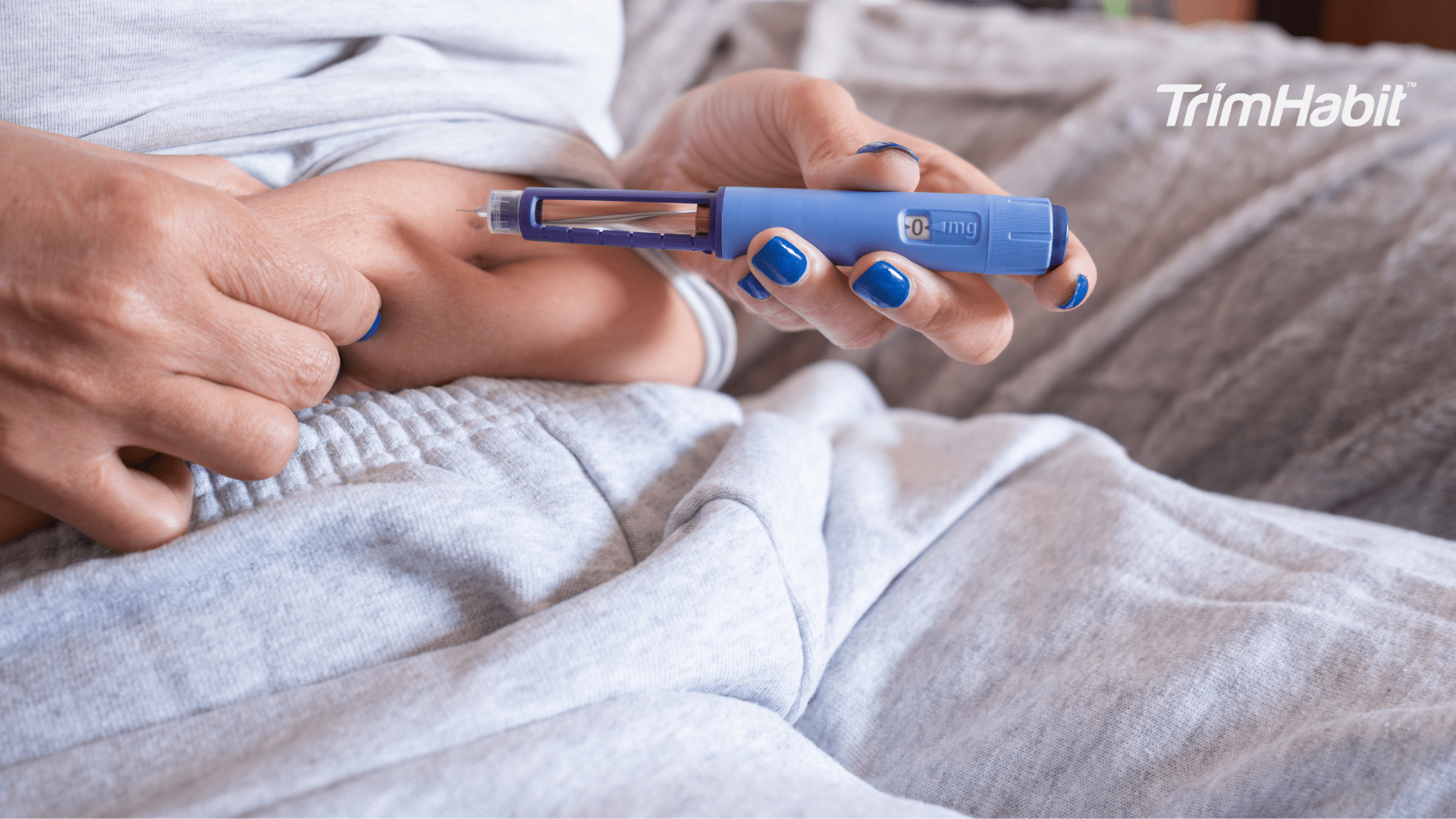
Semaglutide has changed the way many people approach weight management. Whether it was prescribed to support weight loss, improve blood sugar control, or help lower the risk of certain health complications, the medication can become an important part of your routine. After months of steady progress, though, you may begin to wonder whether you still need the same dose or if it’s time to make a change.
For some people, reducing the amount of medication may eventually become part of long-term care. That decision should never be based on guesswork or frustration. Instead, it should reflect your overall health, your response to treatment, and whether your lifestyle habits can help support the progress you’ve made.
If you’ve been asking yourself about the signs you might be ready to taper down your semaglutide dose, it helps to know that there is no universal timeline. Some people remain on treatment for years, while others may eventually transition to a lower amount after reaching a stable point. Your medical history, personal goals, and response to treatment all play a role.
One thing is clear: reducing your dose is very different from quitting overnight. A thoughtful approach gives your body time to adapt while allowing you and your healthcare team to monitor any changes before they become bigger concerns.
Why Tapering Is Different From Stopping
Semaglutide belongs to a class of GLP-1 medications that work with your body’s natural hormones to help regulate appetite and glucose metabolism. Among its many actions, it slows gastric emptying, supports insulin secretion, and improves the way your body responds to food after meals1. These combined effects often make it easier to eat appropriate portions and reduce frequent cravings.
Although the medication has a long half-life and remains in your system for about one week after each weekly injection, that does not mean its benefits disappear immediately or stay the same forever once treatment changes. As medication levels gradually decline, your body begins to rely more on its own biological signals again.
This gradual process is one reason many healthcare professionals prefer a gradual taper instead of advising patients to stop medication abruptly. Even though semaglutide leaves the body slowly, lowering the dose over time may provide an opportunity to monitor appetite, eating patterns, and glucose responses before making additional changes.
Signs You Might Be Ready To Taper Down Your Semaglutide Dose
Sign 1: You’ve Been Stable for Several Months
One of the strongest indicators that you may be ready to consider reducing your dose is consistency.
If your weight has remained relatively stable for a few weeks or even several months without large fluctuations, it may suggest that your eating habits and daily routine are supporting your progress rather than relying entirely on medication.
Many people eventually reach a point where they have achieved their goal weight and are no longer actively trying to lose additional pounds. Instead, the focus shifts toward maintaining weight while protecting long-term health.
This stage looks different for everyone. Some individuals notice that their appetite has become more predictable, meals feel satisfying without overeating, and physical activity has become part of everyday life. These are encouraging signs because they suggest your success is no longer dependent on willpower alone.
That does not necessarily mean you should stop treatment. In many cases, your clinician may recommend finding the effective dose that continues supporting your progress while minimizing unnecessary medication exposure.
Sign 2: Your Lifestyle Can Carry More of the Work
Medication is only one piece of successful long-term care.
Over time, many people develop healthy habits that become automatic instead of feeling forced. Grocery shopping looks different, portion sizes become more consistent, and exercise becomes part of a regular schedule instead of something done occasionally.
Ask yourself whether your current routine would remain realistic even if your medication dose became slightly lower.
For example, are you regularly choosing vegetables, whole grains, and lean protein? Are you staying physically active most days of the week? Have you built an active lifestyle that feels sustainable because you enjoy it rather than because you feel obligated?
You may also notice improvements in eating behaviors. Instead of eating quickly or reacting to every craving, you pause before meals, recognize fullness cues, and practice mindful eating without feeling deprived.
These habits often provide a stronger foundation than motivation alone.
Sign 3: Hunger Feels Predictable Instead of Overwhelming
Semaglutide changes the way many people experience hunger.
Early in treatment, the medication’s appetite suppression effects often make it much easier to reduce calorie intake. As treatment continues, however, many people naturally learn healthier eating patterns alongside those biological changes.
A good sign is being able to distinguish true physical hunger from boredom, stress, or routine.
That does not mean you’ll never feel hungry again. Hunger is a normal biological signal. The goal is to develop confidence that you can respond to it appropriately instead of feeling controlled by it.
If your appetite remains manageable throughout the day and you rarely experience impulsive eating, your healthcare team may determine that you have developed enough consistency to discuss lowering your dose.
Sign 4: Your Blood Sugar Remains Well Controlled
Not everyone takes semaglutide primarily for weight loss. Many people begin taking semaglutide because they have type 2 diabetes or need help improving blood sugar management.
If your laboratory results remain stable over time, your clinician may evaluate whether a lower amount of medication continues to provide adequate support.
This assessment goes far beyond checking one glucose reading.
Your provider may review fasting glucose, A1C results, daily blood glucose levels, and any episodes of unusually high blood sugar levels before recommending changes.
The goal is to continue helping you manage blood sugar levels while avoiding unnecessary medication if a lower dose provides similar benefits.
Sign 5: Side Effects Have Become the Main Concern
Many people tolerate semaglutide well, but side effects can still influence long-term treatment decisions.
If nausea has improved, yet other symptoms such as persistent stomach pain continue despite following medical advice, your healthcare team may consider whether a lower amount would improve your quality of life without sacrificing treatment success.
This decision always involves balancing benefits against risks.
Sometimes remaining on the maximum dose offers no meaningful advantage if lower doses provide nearly identical results with fewer unwanted effects.
That conversation should always happen with your healthcare provider, who can review your medical history and determine whether dose adjustments are appropriate.
Sign 6: Your Muscle and Fitness Have Improved
Successful treatment is about much more than the number on the scale.
If you’ve combined semaglutide with regular exercise, especially resistance training, you may have built strength while working to preserve muscle during your weight reduction journey.
That matters because maintaining muscle supports mobility, physical function, and metabolism as your body changes.
Instead of focusing exclusively on how much you’ve lost weight, consider broader measures of success.
Can you climb stairs more comfortably?
Do you recover faster after exercise?
Have you developed healthy routines that feel realistic even during busy weeks?
Positive answers to these questions suggest that your progress extends beyond the medication itself.
Sign 7: You Feel Confident Managing Your Eating Without Relying Entirely on Medication
One of the biggest goals of treatment is helping you develop skills that last beyond the medication itself. As your confidence grows, you may notice that planning balanced meals, recognizing fullness, and making thoughtful food choices require less effort than they once did.
That does not mean eating is effortless every day. Stress, travel, holidays, and busy schedules can still affect your choices. The difference is that you have practical strategies to return to your routine instead of feeling like one off-plan meal leads to several more.
Some people also find that food tracking is no longer something they do every day, but it remains a useful tool when they want to check portion sizes or identify patterns. Rather than becoming restrictive, it serves as an occasional reminder of the habits that helped them succeed.
Sign 8: Your Health Goals Extend Beyond the Scale
The number on the scale is only one measure of success.
Many people begin treatment hoping to improve their overall metabolic health, and those improvements often include better cholesterol levels, lower blood pressure, improved mobility, and greater energy for daily activities.
For some individuals, semaglutide is also prescribed because of concerns related to heart disease or other conditions that may benefit from better weight and glucose management. Looking at these broader health markers helps determine whether your current treatment strategy is still the best fit.
If your progress remains stable across multiple areas, your clinician may decide that a lower amount of medication deserves consideration.
What Happens If You Reduce Your Dose Too Quickly?
Many people worry about semaglutide withdrawal, but it is important to understand what that term usually means.
Unlike medications that cause physical dependence, semaglutide is not known to produce classic drug withdrawal. However, as the medication effects gradually wear off, you may notice changes that reflect the medication no longer working as strongly.
For example, appetite increases naturally as less medication remains in your system. Some people also experience rebound hunger, making larger portions seem appealing again after months of eating less.
These changes are sometimes described as semaglutide withdrawal symptoms, although they are generally related to the medication’s reduced biological effects rather than true withdrawal.
For that reason, experts typically advise against trying to stop semaglutide cold turkey unless there is a medical reason to do so.
Why A Gradual Reduction Makes Sense
A carefully planned reduction allows you to monitor how your body responds before making additional changes.
Instead of stopping all at once, your clinician may recommend a maintenance dose for a period of time before considering further reductions. In some situations, a low dose continues providing enough support for appetite and glucose regulation without requiring higher amounts.
Some healthcare professionals also use slower titration when lowering medication, especially if someone has been taking higher doses for an extended period.
Every situation is different, which is why there is no universal schedule that works for everyone.
Watch For Changes After Lowering Your Dose
Once your dose has been reduced, paying attention to your daily routine becomes especially important.
Ask yourself questions like these:
- Are your meals still satisfying?
- Are you staying physically active?
- Do your hunger cues still feel manageable?
- Are you maintaining your established eating routine?
Occasional hunger is completely normal.
However, persistent increased appetite that leads to frequent overeating may indicate that your current dose is no longer providing enough support.
Likewise, noticeable regaining weight over several weeks deserves attention before it becomes a larger problem.
Weight Maintenance Is An Ongoing Process
One of the biggest misconceptions about obesity treatment is that the work ends after reaching a target number on the scale.
In reality, weight maintenance is an active process that continues long after the initial phase of treatment.
Studies consistently show that many people regain weight after discontinuing medication, particularly if lifestyle changes are not well established2. This is one reason healthcare professionals often emphasize long-term planning instead of focusing only on short-term results.
Maintaining progress involves continuing the habits that supported your success from the beginning.
That includes regular physical activity, nutritious meals, adequate sleep, and realistic expectations.
What Research Says About Long-Term Treatment
Current evidence continues to shape how clinicians approach long-term obesity care.
Research suggests that obesity behaves like a chronic condition for many people, meaning ongoing treatment may be appropriate in certain cases3.
In one frequently cited study, participants who continued weekly subcutaneous semaglutide after the initial treatment period generally maintained better results than those who stopped therapy. Participants who discontinued treatment experienced more weight gain, highlighting how ongoing support may help prevent weight regain in some individuals4.
Other studies have found that people lose weight most successfully when medication is combined with lasting lifestyle changes rather than used on its own5.
This growing body of evidence has influenced clinical medicine, encouraging individualized treatment plans instead of fixed timelines.
Your Dose Should Match Your Current Needs
The right dose is not necessarily the highest one. Your needs today may be different from when you first began semaglutide treatment.
Someone who initially required a higher dose to support weight reduction may later do well with less medication after building consistent eating and exercise habits.
Likewise, a person whose primary concern is insulin resistance may need a different long-term strategy than someone focusing primarily on obesity treatment.
Finding the right balance often means identifying the lowest amount that continues supporting your health.
When You May Not Be Ready Yet
Reducing your dose may not be appropriate if you are still experiencing frequent cravings, inconsistent eating habits, or unstable glucose readings.
It may also be worth delaying changes if you are dealing with significant life stress, recovering from illness, or making other major lifestyle adjustments. These situations can temporarily affect appetite, activity levels, and your ability to stay consistent.
Waiting until your routine feels more predictable may improve your chances of long-term success.
Partner With Your Healthcare Team
Deciding whether to reduce your dose should always involve your medical team. Your healthcare provider can review your progress, medications, laboratory results, and personal goals before recommending the safest approach.
They can also help determine whether tapering is appropriate, whether staying on your current dose offers greater benefits, or whether another strategy would better support your long-term health.
This individualized approach is especially important because responses to GLP-1s vary from person to person.
Frequently Asked Questions
Can I Stop Once I Reach My Goal?
Reaching your target does not automatically mean it is time to stop semaglutide.
Many people continue treatment after achieving their desired results because ongoing therapy may support maintaining weight loss and reducing the likelihood of future setbacks.
Will I Automatically Regain the Weight?
No.
Although some studies show people regain weight after stopping medication, outcomes vary widely depending on eating habits, physical activity, sleep, and other health factors.
Building lasting routines gives you a stronger foundation for long-term success.
Can I Reduce My Dose on My Own?
No.
Even if you feel well, you should never adjust your semaglutide medication without medical guidance.
A personalized plan helps reduce unnecessary risks while allowing your progress to be monitored appropriately.
The Bottom Line
Reducing your semaglutide dose is not simply about taking less medication. It is about determining whether your body and daily habits are prepared for that next step.
If your appetite feels well controlled, your glucose remains stable, and you’ve developed consistent routines that support long-term health, you may be ready to discuss a lower dose with your medical team.
The objective is not to quit as quickly as possible or to prove that you no longer need treatment. Instead, it is to find the approach that best supports your health while helping you continue moving forward with confidence.
Whether that means remaining on your current dose, transitioning to a maintenance dose, or tapering gradually, the safest path is one that is personalized, medically supervised, and focused on lasting success rather than short-term results.
Citations
1 Kommu S, Whitfield P. Semaglutide. [Updated 2024 Feb 11]. In: StatPearls [Internet]. Treasure Island (FL): StatPearls Publishing; 2026 Jan-. Available from: https://www.ncbi.nlm.nih.gov/books/NBK603723/