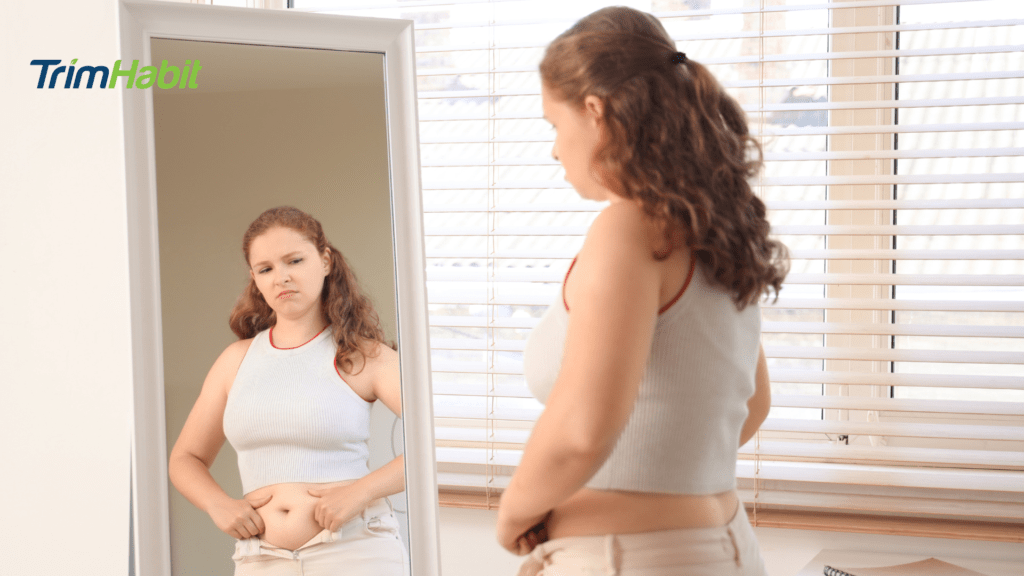
When considering body image after significant weight loss on semaglutide, it is important to recognize that the experience involves more than physical change alone. As body weight decreases, many individuals also notice shifts in confidence, self-perception, and their relationship with food.
Semaglutide and other GLP-1s are part of new weight loss drugs used to treat obesity and support people living with diabetes through reduced appetite, lower food intake, and improved blood sugar regulation. While these medications can be an effective tool for weight loss, the emotional adjustment to a changing body can sometimes feel just as significant as the physical transformation itself.
Physical Changes During Weight Loss
As individuals lose weight and lose fat on semaglutide, the body undergoes changes that can be both encouraging and emotionally challenging. Body weight decreases steadily, clothing fits differently, and overall body shape becomes smaller and more defined. However, the speed and scale of these changes can sometimes be difficult to keep up with mentally.
One of the most common physical changes is the loss of fat in areas such as the abdomen, arms, thighs, and face. Alongside fat loss, some people experience muscle loss, especially if protein intake is not sufficient or if exercise is not included in daily routines. This can lead to a softer appearance even as weight decreases.
Loose skin is another frequent change, particularly in individuals who have lost a large number of pounds or experienced rapid weight reduction. The skin does not always tighten at the same pace that fat is lost, which can create physical and emotional discomfort.
Other physical improvements often include better blood sugar control, improved blood pressure, increased mobility, and reduced strain on joints1,2. These changes support physical health and reduce long-term risks associated with obesity, but they do not always immediately resolve how a person feels about their body.
Body Image And Emotional Response
Body image after significant weight loss on semaglutide is often more complex than expected. While some individuals feel more confident and begin to appreciate their new shape, others continue to struggle with how they perceive themselves.
It is common for the mind to lag behind physical change. Even after losing significant weight, some people still see themselves as they were before the transformation. This disconnect between perception and reality can create emotional discomfort and confusion.
In some cases, body dysmorphia can develop or become more noticeable. This involves a distorted view of the body that does not match actual physical appearance. Even small imperfections may feel exaggerated or distressing.
Body positivity is sometimes encouraged, but for many individuals, body appreciation feels more realistic. This means gradually learning to accept the body as it is now, rather than forcing constant positivity. Self-esteem may improve as weight loss progresses, but it often fluctuates depending on emotional state, expectations, and social environment.
Mental Health Considerations During Treatment
Mental health plays a significant role during weight loss with GLP-1 medications. While many individuals report improved mood, confidence, and motivation, others experience emotional shifts that require attention and care3,4.
Changes in food intake and appetite can affect emotional regulation. Some individuals may develop disordered eating patterns, especially if they begin to overly restrict food or become anxious about eating. In some cases, pre-existing eating disorders may become more pronounced during treatment5.
Mental health professionals often emphasize the importance of closely monitoring emotional changes during weight-loss treatment. This is particularly important when weight loss happens quickly or when appetite suppression is strong.
There are also rare but serious concerns involving suicidal thoughts or suicidal ideation6. Although uncommon, these symptoms require immediate support from a medical provider or healthcare professional. Emotional safety should always be prioritized alongside physical progress.
Mental health and physical health are closely connected, especially during significant body changes. When one shifts rapidly, the other often responds.
Lifestyle Changes And Daily Habits
Body image after significant weight loss on semaglutide can start to influence daily decisions in ways that go beyond eating habits alone. As people adjust to a changing body, they may begin choosing clothing differently, modifying social behavior, or changing how often they engage in activities where their body feels more visible. For some, improved body confidence encourages more movement, more social interaction, and a greater willingness to engage in daily life. For others, discomfort with loose skin or shifting body shape can lead to avoidance of certain situations or increased self consciousness.
These emotional responses can directly shape lifestyle patterns. When body image improves, individuals are more likely to maintain consistent exercise, feel motivated to eat balanced meals, and build routines that support long term health. When body image is strained, however, motivation can fluctuate, and habits may become inconsistent or overly focused on appearance rather than overall health.
At the same time, supportive lifestyle habits can help stabilize body image over time. Regular movement, structured meals, and adequate nutrition do more than support weight loss. They also help create a sense of control and familiarity as the body continues to change. Over time, this consistency can make it easier to adjust emotionally to a new body shape and improve comfort in daily life.
Emotional And Identity Shifts
Significant weight loss often leads to emotional and identity changes that are not always anticipated. As body weight decreases, individuals may begin to feel different not only physically but also in how they relate to themselves and others.
Some people experience a sense of disconnection from their past selves. This can happen when physical appearance changes faster than internal identity can adjust. Clothing size, social attention, and even daily routines may feel unfamiliar.
Self-esteem can increase, but it may also feel unstable at times. Confidence may rise in certain situations, and one may feel uncertain in others. This emotional fluctuation is a normal part of adapting to a major body transformation.
Identity shifts take time. The body may change in months, while emotional acceptance may take much longer.
Medical Monitoring And Risks
Because GLP-1 medications directly affect appetite, digestion, and metabolism, medical monitoring is essential throughout treatment. Side effects such as nausea, constipation, fatigue, and stomach discomfort are common, especially during the early stages or dose increases.
Some individuals stop using the medication due to side effects or difficulty adapting to reduced appetite. This contributes to a high discontinuation rate in some groups. In other cases, individuals stop treatment after reaching a goal weight without maintaining lifestyle habits, which can increase the risk of weight regain.
Weight regain is a significant concern because appetite and metabolic signals may return after stopping medication. This does not happen to everyone, but it is a known risk that requires awareness and planning.
Research shows strong evidence that GLP-1 medications influence appetite regulation and weight outcomes in patients7. However, long-term results depend heavily on behavior, support systems, and continued health monitoring.
Psychological Support And Guidance
Support from healthcare and mental health professionals can make a major difference during weight-loss treatment. These professionals help individuals navigate emotional changes, body image concerns, and shifts in eating behavior.
As food noise decreases, some individuals feel relief, while others may feel unsure about how to respond to hunger cues. Psychological support can help interpret these changes in a healthy and balanced way.
Support often focuses on strengthening self-esteem, preventing disordered eating patterns, and improving emotional regulation during physical transformation. It can also help individuals process changes in identity and appearance in a healthier way.
When medical care and emotional support work together, individuals tend to experience more stable and sustainable outcomes.
Practical Advice For Body Image After Significant Weight Loss On Semaglutide
1. Give your mind time to catch up with your body
Even when weight loss happens steadily, your perception of your body often lags behind reality. It is common to still “see” an older version of yourself for a while. This mismatch does not mean anything is wrong, it simply means your brain is adjusting.
2. Focus on what your body can do, not only how it looks
After weight loss, it is easy to focus only on appearance changes like loose skin or smaller size. Try also noticing function improvements such as easier movement, better stamina, or improved daily comfort. This helps balance body image with physical experience.
3. Expect emotional ups and downs
Body image is not stable after significant change. Some days may feel positive, while others feel uncomfortable or unfamiliar. These shifts are normal, especially when weight loss is fast or medication supported.
4. Be mindful of comparison triggers
Comparing your current body to old photos, other people, or social media can intensify body image concerns. If comparison increases stress, reduce exposure to triggers and focus more on your current daily life and health.
5. Address loose skin with realistic expectations
Loose skin is a common result of significant weight loss. It does not reflect failure or lack of progress. Over time, some skin may improve slightly, but it may not fully disappear. Acceptance often becomes part of long term adjustment.
6. Prioritize muscle maintenance
Muscle loss can affect how the body looks and feels after weight loss. Including light strength training and enough protein supports a more stable body composition and can improve confidence in physical appearance.
7. Watch for distorted body perception
If you find yourself constantly focusing on flaws, feeling “bigger” than you are, or feeling distressed despite visible weight loss, this may be a sign of body image distortion or body dysmorphia. In that case, support can help.
8. Keep eating structured but not overly restrictive
Because semaglutide reduces appetite and food noise, it is easy to under-eat. This can affect mood, energy, and even body image. Aim for balanced meals rather than extreme restriction.
9. Talk to a healthcare professional when emotions feel overwhelming
Changes in body image can affect mental health, especially when weight loss is rapid. A healthcare professional or mental health professional can help you process these changes in a grounded and supportive way.
10. Separate self-worth from body size
Weight loss can change appearance, but it should not define identity or value. Self esteem can rise or fall based on appearance alone if this link is too strong. Building identity around habits, values, and daily life creates more stability.
11. Expect identity shifts, not just physical shifts
After significant weight loss, people often describe feeling like they are “not the same person.” This is normal. Identity takes longer to adjust than physical changes, especially when weight loss happens with medication support.
12. Be patient with confidence changes
Confidence does not automatically increase with weight loss. For some people it improves, for others it takes time, especially when adjusting to attention, compliments, or a changed appearance.
Final Thoughts
Body image after significant weight loss on semaglutide is shaped by much more than physical change alone. While these weight loss drugs and GLP-1s are effective for treating obesity, improving blood sugar, and supporting weight loss, they also create emotional and psychological changes that deserve attention.
Loose skin, muscle loss, shifting self-esteem, and body image concerns are all common experiences during this process. These changes do not mean something is wrong, but they do require time, adjustment, and often support.
With proper guidance from healthcare professionals and attention to mental health, individuals can navigate both the physical and emotional aspects of weight loss more safely. Long-term success is not only about reducing body weight, but also about building stability in health, lifestyle habits, and the relationship with food and the body.