Tirzepatide has introduced a different experience around eating. Hunger becomes quieter, portions naturally shrink, and meals that once felt normal can suddenly feel excessive. As one of the newer GLP-1 medications, it influences appetite signals, insulin response, and the speed of digestion. These changes make food selection more important than ever, not less.
The focus shifts from simply eating less to eating with intention. This is where the best high-protein meals for tirzepatide users come into play. Protein becomes the anchor of your intake, helping preserve muscle mass, maintain sustained energy, and support consistent progress during weight loss. Without enough structure, it becomes easy to under-eat protein and over-rely on convenience foods that do not provide enough essential nutrients.
This guide explains how to build meals that align with how tirzepatide works, while also supporting blood sugar control, digestion, and long-term results.
Why Protein Intake Matters More Than Ever
Tirzepatide works in part through pathways similar to GLP-1, which means it can suppress appetite and reduce the desire to eat. While this helps create a calorie deficit, it also introduces a risk. When intake drops too quickly, the body may break down muscle mass along with fat, leading to muscle loss that can affect metabolism and strength1,2.
Protein helps prevent that. A consistent level of protein intake signals the body to preserve lean tissue even when calories are lower. It also plays a role in blood sugar regulation, slowing absorption and helping you avoid sharp spikes and crashes, especially when paired with complex carbohydrates and healthy fats.
Another important factor is digestion. Because tirzepatide slows gastric emptying, heavy or poorly balanced meals can linger in the stomach and worsen nausea. Meals that include lean proteins, fiber, and moderate healthy fats are easier to tolerate and help support digestion instead of working against it.
How Much Protein Do You Need On Tirzepatide?
Since appetite is reduced, it is easier to fall short on protein intake, which can increase the risk of muscle loss during weight loss.
For general guidance, adults not using medication are typically advised to consume at least 0.8 grams of protein per kilogram of body weight per day3. This supports basic needs and fits within a standard balanced diet.
On tirzepatide, there is no single established protein target specific to the medication. What matters more is avoiding intake that falls below baseline, especially when appetite is suppressed. In practice, this means being more intentional about including protein regularly, even if portions are smaller.
Focusing on consistency across the day tends to work better than trying to eat large amounts at once. This is particularly relevant with slow digestion, where smaller, evenly spaced meals are often better tolerated and help maintain sustained energy.
Rather than focusing only on how many calories or relying heavily on calorie counting, it is more effective to structure your diet plan around balanced meals. Pairing protein with complex carbohydrates and healthy fats helps stabilize blood sugar and can improve blood sugar control.
In simple terms, a regular diet may meet protein needs without much planning. On tirzepatide, it requires more deliberate attention to make sure intake stays adequate.
Structuring Meals Around Tirzepatide
One of the most noticeable changes on tirzepatide is a shift toward eating smaller portions. Large meals may feel uncomfortable, especially early in treatment. Because of this, many people naturally move toward frequent meals, which can actually support better nutrient distribution.
A simple visual rule is to fill half your plate with non-starchy vegetables, then add a serving of protein and a smaller portion of carbohydrates. This keeps meals balanced without requiring strict measurements.
Carbohydrates still play a role, but the type matters. Choosing whole grains and other sources of complex carbohydrates rather than refined carbohydrates helps maintain steady energy levels and supports blood sugar control. Pairing carbs with protein also prevents rapid spikes.
At the same time, not all fats are equal. Including healthy fats, such as olive oil, in moderate amounts adds flavor and supports nutrient absorption without making meals too heavy.
The Role Of Snacks And Meal Timing
Because appetite is reduced, spacing meals becomes more important. Including a mid-morning snack can help maintain steady energy and prevent drops in blood sugar later in the day.
Snacks do not need to be large. Simple combinations that include protein and fiber are often enough. Options like fruit paired with dairy or a small portion of nuts can help support digestion and maintain consistency.
It is also important to pay attention to how beverages fit into your day. For example, whether you drink coffee before or after eating can influence how your stomach feels, especially when digestion is slower.
Best High-Protein Meals For Tirzepatide Users
The following meals are designed to align with how tirzepatide affects appetite and digestion. Each option prioritizes protein while still supporting blood sugar control, comfort, and consistency. Rather than focusing on large portions, these meals emphasize balance and nutrient density, which is more effective when eating smaller portions becomes the norm.
1. Grilled Chicken, Brown Rice, and Roasted Vegetables
A foundational option that is easy to repeat without becoming restrictive. Grilled chicken provides a reliable source of protein, while brown rice supplies steady energy through complex carbs. Adding roasted vegetables, such as bell peppers, increases fiber intake and supports fullness without heaviness. A small drizzle of olive oil introduces healthy fats that help with nutrient absorption.
2. Baked Salmon with Sweet Potato and Steamed Broccoli
Baked salmon offers both protein and beneficial fats, making it one of the most effective ways to include fatty fish in your routine. Paired with a sweet potato and steamed broccoli, this meal supports heart health and provides a steady release of energy. It is also easier to tolerate than heavier meals, which helps prevent discomfort in a slowed digestive system.
3. Lean Beef Bowl with Leafy Greens and Cherry Tomatoes
A bowl built with lean beef, fresh leafy greens, and cherry tomatoes creates a nutrient-dense meal that supports fat loss while preserving strength. Including a portion of grains or other complex carbohydrates helps maintain balance and prevents energy dips later in the day.
4. Ground Turkey Stir-Fry with Non-Starchy Vegetables
This meal works especially well for those who prefer simple preparation. Ground turkey cooks quickly and pairs easily with non-starchy vegetables, creating a lighter dish that still delivers adequate protein. It is also ideal if you like to batch cook proteins and assemble meals throughout the week.
5. Cottage Cheese with Apple Slices and Flax Seeds
For lighter meals or snacks, cottage cheese combined with apple slices and flax seeds provides protein, fiber, and fats in a form that is easy to digest. This option works well as a mid-morning snack when appetite is limited, but consistency is still important.
6. Plain Greek Yogurt with Chia Seeds
A bowl of plain greek yogurt mixed with chia seeds offers a simple way to increase protein intake while supporting gut health. This option is especially useful on days when heavier meals feel less appealing.
7. Protein Shake with Cucumber Slices
When eating feels difficult, a protein shake can help maintain intake without overwhelming the stomach. Pairing it with cucumber slices adds hydration and a small amount of fiber, making it more balanced than relying on liquids alone.
8. Plant-Based Protein Bowl with Whole Grains
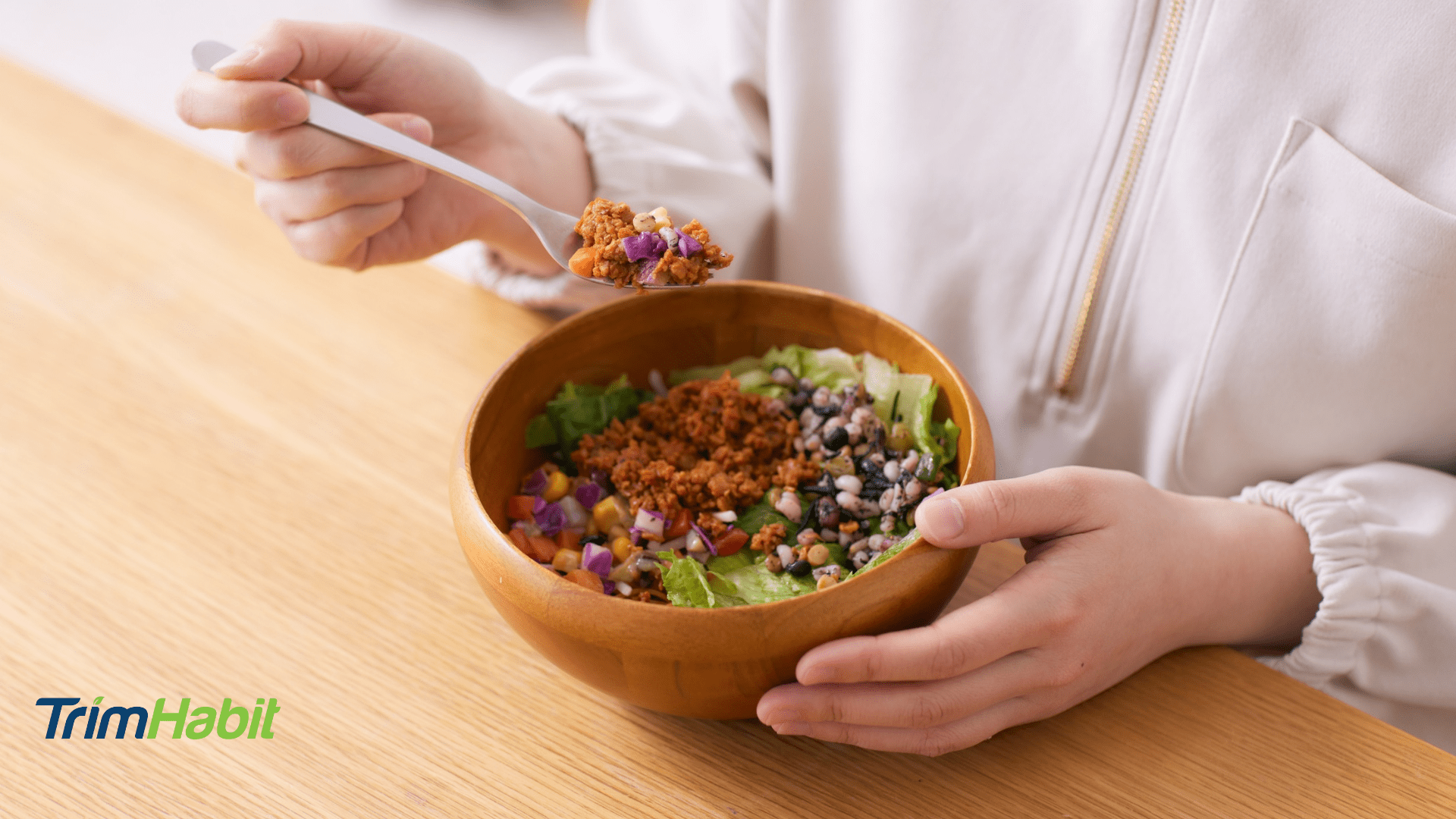
A meal centered on plant-based protein, such as lentils or tofu, combined with whole grains and vegetables, can still meet protein needs while supporting digestive health. This option is particularly useful for those who prefer less reliance on animal protein.
Foods That May Cause Discomfort Or Slow Progress
Certain foods tend to be less compatible with tirzepatide. Meals high in fat, especially greasy foods, can feel heavy and may increase the likelihood of nausea. Beverages can also play a role. Carbonated drinks may cause bloating, while sugary drinks can disrupt blood sugar control and contribute excess calories.
Highly processed foods built around refined carbohydrates can lead to fluctuations in energy, making it harder to maintain steady intake. Even decisions such as how you eat carbs matter. Pairing them with protein and fats helps create a more stable response.
Building A Practical Weekly Meal Plan
A meal plan on tirzepatide should work around your appetite, not fight it. Some days you will eat normally, and other days even small portions feel like enough. Trying to follow a strict schedule usually fails because it doesn’t align with how the medication affects hunger.
A more practical setup is to rely on a few consistent protein options and rotate them throughout the week. If you batch cook proteins, you remove the daily effort of deciding what to eat, which is often where people fall off track. Meals do not need to be elaborate. Repeating simple combinations is more realistic and easier to maintain.
It also helps to expect low-appetite days instead of being surprised by them. Having easy options ready, like a quick protein-based meal or snack, makes it easier to keep your protein intake steady without forcing full meals. This matters more than trying to hit perfect numbers through calorie counting or worrying about how many calories you are eating.
Spacing food out can also make a difference. Many people naturally shift toward frequent meals and eating smaller portions, which can feel more comfortable with slow digestion. This kind of structure supports consistency, which is what ultimately drives weight management.
The goal is not a perfect plan. It is a repeatable system that holds up even on days when your appetite, schedule, or energy is off.
Long-Term Perspective On Weight Management
Tirzepatide can accelerate early progress, but maintaining results requires consistency. Choosing meals that support support weight loss while preserving lean tissue is key to achieving sustainable weight loss.
A balanced diet that includes protein, fiber, and fats helps the body adapt to lower intake without compromising strength or energy. This balance also supports blood sugar control, which plays a role in long-term health beyond weight alone.
It is important to recognize that progress is not just about restriction. Meals should provide enough nutrients to support daily function, recovery, and overall stability.
Final Thoughts
Tirzepatide changes how hunger feels, but it does not remove the need for structure. If anything, it makes structure more important. Prioritizing high-protein meals, choosing whole foods, and maintaining a balanced nutrient intake help you protect muscle mass, support fat loss, and maintain steady progress.
Meals built around lean proteins, fiber-rich carbohydrates, and moderate healthy fats provide the foundation for consistent results. With the right habits in place, you can align your eating patterns with how the medication works, creating a system that supports both short-term progress and long-term success.