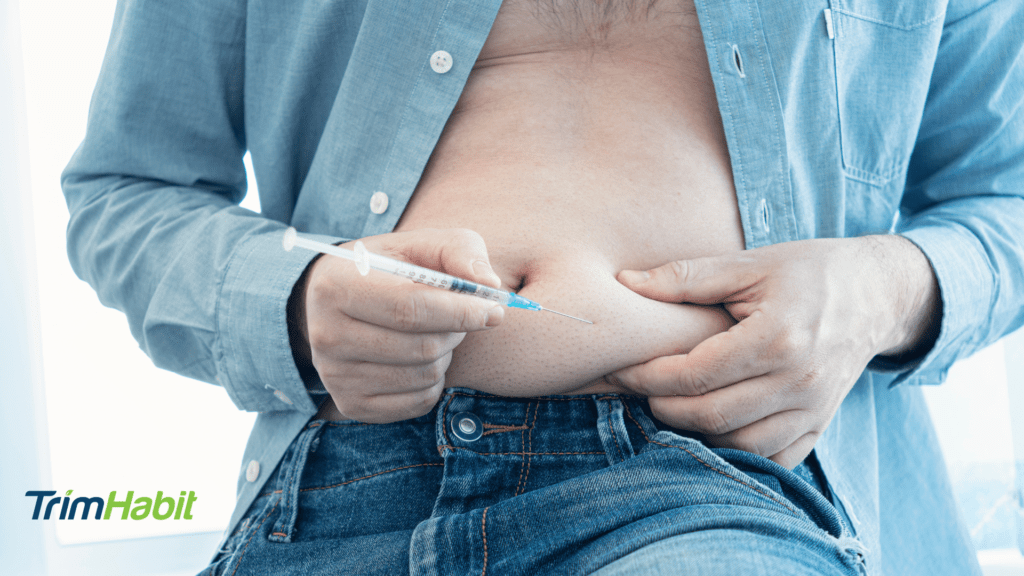
If you are taking semaglutide, you have probably noticed that your scale does not always move the way you expect.
Learning why water weight fluctuations happen on semaglutide means looking beyond simple calorie intake and daily habits. Some days the number drops, while other days it rises, even when your meals, activity, and injections stay consistent.
These shifts do not mean the medication stopped working, and they do not mean you are gaining fat overnight. They reflect how your body responds to changes in digestion, hormones, blood sugar, and fluid balance happening at the same time. Each system adjusts on its own timeline, and the scale reflects their combined movement rather than a single cause.
When you can separate fat loss from temporary fluid changes, it becomes easier to stay steady and confident during your weight loss journey. Focusing on longer patterns instead of short term shifts helps you interpret progress more accurately and avoid unnecessary frustration.
Why Scale Changes Do Not Automatically Mean Fat Gain
When the number goes up, your first thought may be that you experience weight gain or that you gain weight despite eating less. That reaction is understandable, but it is rarely accurate in the short term. Fat accumulation is a slow biological process. It requires sustained excess energy, hormonal signaling that favors fat storage, and time.
Water behaves very differently. Fluid can shift into and out of tissues within hours. A salty meal, a night of poor sleep, a stressful day, or a change in digestion can all increase water retention without adding fat. This is why short term weight gain does not equal fat gain.
If your goal is weight loss or if you want to lose weight safely, learning to separate these processes protects your confidence and prevents unnecessary restriction that can backfire.
What Semaglutide Changes Inside Your Digestive System
When you start semaglutide injections, your digestive system slows down. This medication is part of the GLP-1 class, and it slows gastric emptying, meaning food stays in your stomach longer before moving into the intestines. This change helps with appetite regulation, but it also means you physically carry more digestive content inside your body at any given time1.
That extra mass registers on the scale without representing fat. Depending on timing, your digestive system may be more or less full when you weigh yourself. The scale reflects everything present, not just body fat.
This becomes more noticeable when you eat later at night or choose foods that digest more slowly.
Why Water Weight Fluctuations Happen On Semaglutide
1. Appetite Suppression Alters Eating Without You Realizing It
Semaglutide helps reduce appetite, but appetite suppression is not identical every day. Some days you naturally eat fewer calories without effort. Other days hunger returns more strongly. These shifts influence calorie intake, sodium intake, and carbohydrate intake, even when your eating habits feel consistent.
You may believe you are eating the same amount each day, yet small changes add up. One higher sodium meal can increase water retention for several days. One higher carbohydrate day can increase glycogen storage, which pulls water into muscle tissue.
None of this means weight loss progress has stopped. It means your body is adjusting fluid levels in response to food intake.
2. Carbohydrates, Glycogen, And Water Storage
When you eat carbohydrates, your body stores them as glycogen in your muscles and liver. Glycogen binds water. For every unit of glycogen stored, multiple units of water are stored alongside it2. This is why changes in carbohydrate intake cause visible scale changes that have nothing to do with fat loss.
Including whole grains can support blood sugar management and metabolic health, but it can also increase water weight temporarily. Removing carbohydrates can cause rapid drops that look encouraging but mostly reflect water loss, not fat loss.
If you see weight fluctuations after changing carbohydrate intake, you are watching glycogen and water shift, not fat storage increase.
3. Blood Sugar Control And Fluid Balance
Semaglutide treatment improves managing blood glucose levels. As your blood glucose levels stabilize, insulin signaling changes. Insulin resistance encourages both fat accumulation and fluid retention. As insulin sensitivity improves, your body releases stored water.
This process is not linear. You may see rapid drops early, followed by periods where the scale appears stuck. That does not mean fat loss has stopped. It means your body is recalibrating how it handles blood sugar and fluids.
Improved blood sugar control often leads to noticeable shifts in fluid balance before body weight settles into a new pattern.
4. Hydration Can Increase Or Decrease Water Retention
Proper hydration plays a larger role than most people realize. When you drink too little, your body holds onto water as a protective response. This increases fluid retention even when calorie intake is low3.
Many people unintentionally drink less while taking semaglutide because thirst cues soften alongside hunger cues. Restoring consistent hydration often leads to a sudden drop on the scale that feels mysterious but reflects water release.
Sodium intake interacts with hydration. A higher sodium intake increases water retention. A lower sodium allows release. Neither indicates potential weight gain from fat.
5. Hormones, Stress, And Sleep Strongly Affect Water Weight
Hormonal imbalances influence how your body distributes fluid. Cortisol, estrogen, and aldosterone all affect sodium and water handling. Stress raises cortisol, which signals your body to retain fluid.
If you are not getting enough sleep, cortisol remains elevated. Conditions such as sleep apnea worsen this effect. Poor sleep also increases hunger and reduces insulin sensitivity, making fluid shifts more pronounced.
Your mental health matters here. Anxiety around the scale increases stress hormones, which reinforces water retention and creates a frustrating feedback loop.
6. Exercise, Muscle Repair, And Temporary Weight Increases
Regular exercise changes how water moves through your body. Strength training increases muscle mass over time, and muscle stores glycogen and water. When you begin or intensify strength training, you may see the scale rise even as fat loss continues.
Muscle repair pulls fluid into tissue. This swelling is temporary and necessary. It does not indicate fat accumulation or failed weight management.
On the other end, physical inactivity reduces circulation and lymphatic flow, allowing fluid to pool in tissues. This can increase body weight even without dietary change.
Burning calories continues regardless of these fluid shifts, but the scale may lag behind reality.
7. Plateaus Are Often Fluid Based, Not Fat Based
A weight loss plateau often reflects competing processes. Fat loss may continue while water retention increases, creating the illusion of stalled progress. This commonly happens after significant weight loss when your body adapts to a new baseline.
Responding with aggressive restriction can hinder weight loss. Excessive stress increases cortisol, reduces muscle mass, and disrupts appetite regulation.
Consistency allows your body to resolve these phases naturally.
8. Dosage, Timing, And Consistency Matter
Taking semaglutide consistently supports stable appetite regulation. Missed doses or delayed injections can disrupt hunger signals and eating patterns, leading to rebound weight gain driven largely through fluid changes.
Lower doses can sometimes create uneven appetite suppression, which affects food intake and hydration patterns. Adjustments should always involve a healthcare provider or healthcare professional.
Medical professionals can help determine whether dosage timing contributes to fluctuations.
9. Medical Conditions That Affect Fluid Balance
Certain underlying medical conditions increase susceptibility to water retention. Kidney disease alters how your body handles sodium and water. Cardiovascular conditions affect circulation. Hormonal disorders disrupt feedback systems.
If you experience weight gain that persists despite consistent habits, professional medical advice is appropriate. A healthcare professional can evaluate blood sugar, kidney function, and hormonal markers.
This evaluation protects your long-term weight management and safety.
Psychological Impact Of Watching The Scale
Repeated scale fluctuations can wear you down emotionally. You may question your discipline or doubt whether semaglutide helps reduce appetite enough to matter. This stress affects eating habits, sleep, and motivation.
Healthy living includes learning how to interpret data without self-judgment. Looking at trends over weeks rather than days supports managing weight efforts and preserves confidence.
Building Stability Over Time
Long-term weight management depends on sustainable patterns rather than daily reactions. A balanced diet that includes lean proteins supports muscle mass and fat loss. Whole grains support blood sugar stability. Regular exercise supports circulation and insulin sensitivity.
Healthy habits such as proper hydration, enough sleep, and consistent movement reduce extreme fluid shifts. Lifestyle modifications work best when they lower stress rather than increase it.
These choices support healthy weight outcomes, fat loss, and long-term success rather than short-term scale drops.
Ways You Can Reduce the Impact of Water Weight While Taking Semaglutide
Keep hydration steady rather than reactive
Drinking inconsistently often causes your body to hold onto fluid. Aim for steady intake across the day instead of suddenly increasing water after a higher scale reading. Consistency signals safety to your system and allows excess fluid to release naturally.
Avoid dramatic swings in food volume from day to day
Large shifts in how much you eat can increase digestive weight and fluid retention. Even when appetite is low, maintaining regular meals helps stabilize digestion timing and reduces unpredictable scale changes.
Balance carbohydrates instead of removing them abruptly
Suddenly cutting carbohydrates can create sharp drops followed by rebounds that feel discouraging. Keeping intake moderate and predictable helps your body regulate stored water more smoothly.
Move daily even when workouts feel light
Gentle movement supports circulation and lymphatic flow, which helps fluid move out of tissues. Walking, stretching, or light activity on rest days can reduce temporary water buildup without stressing your body.
Prioritize sleep consistency
Poor sleep increases stress hormones that encourage fluid retention. Even small improvements in sleep timing and duration can lead to more stable scale readings over time.
Reduce sodium swings rather than sodium entirely
Extreme low sodium days followed by higher sodium meals often worsen fluctuations. Keeping intake relatively even helps your body avoid holding extra water as a protective response.
Stay consistent through scale increases instead of correcting them
Reacting to higher numbers with restriction or skipped meals often backfires. Staying consistent allows water shifts to resolve on their own without creating additional stress signals.
Weigh at the same time and under the same conditions
Daily weight comparisons only make sense when conditions stay the same. Differences in hydration, digestion, or timing create misleading changes that have nothing to do with fat.
Final Thoughts
Your weight on semaglutide reflects digestion, hydration, hormones, blood sugar, muscle repair, and stress responses. These systems are closely linked and constantly adjusting.
Water retention does not erase desired weight loss. Temporary increases do not mean increased fat storage or fat accumulation. They mean your body is responding to internal signals designed to protect balance.
Understanding these mechanisms allows you to focus on progress without panic. It supports weight management, blood sugar control, physical health, and overall health while keeping short-term fluctuations in perspective.
When you stop reacting to every scale change and start reading the signals your body sends, you build trust. That trust supports long-term success, not just temporary results.