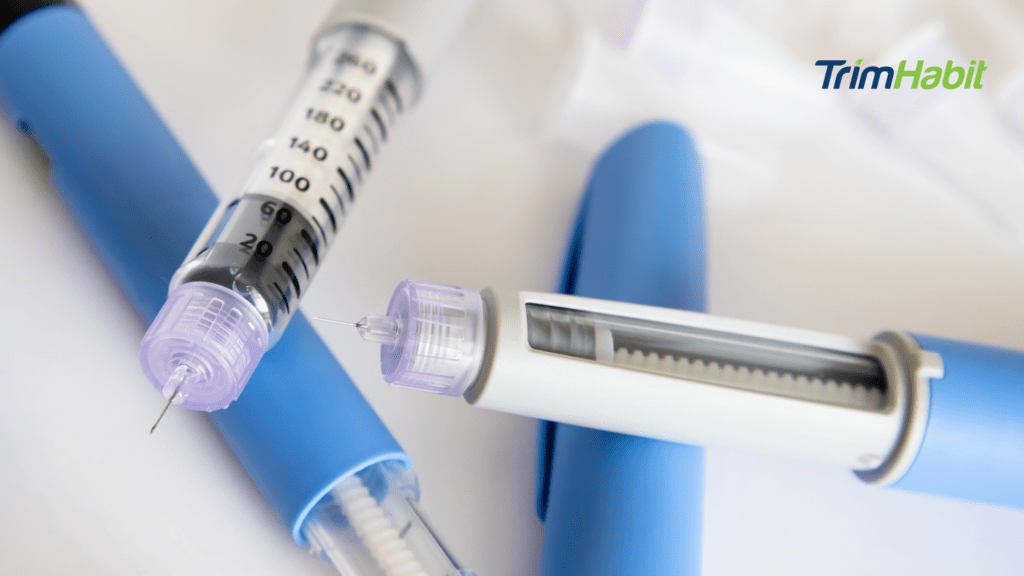
If you’re taking semaglutide, your appetite may naturally shrink, making smaller meals feel satisfying. That’s great for weight management, but it can also make it hard to know if you’re getting enough nutrition.
Knowing how to tell if you’re eating too little on semaglutide is important to avoid fatigue, nutrient deficiencies, and other health issues while still supporting your goals. Recognizing the signs early helps you stay energized and keeps your body functioning at its best.
Why Eating Too Little Can Be A Problem
Semaglutide works by mimicking a natural gut hormone called GLP-1, which helps you feel full and satisfied with smaller meals. This appetite-suppressing effect can make it easier to reduce portion sizes and stick to a weight management plan. At the same time, it changes the way your body responds to hunger cues, making it possible to unintentionally eat less than your body needs.
Even though semaglutide is effective for weight management, your body still requires a certain amount of calories, protein, vitamins, and minerals to function optimally. Not meeting those needs can affect energy levels, muscle maintenance, and overall nutritional balance. Because semaglutide slows digestion, the timing and composition of meals become more important. Small, nutrient-dense meals may feel sufficient, but they must provide enough fuel to support daily activity, exercise, and basic bodily functions.
How To Tell If You’re Eating Too Little On Semaglutide
When taking semaglutide, appetite suppression can make it easy to eat far less than your body needs. While reduced intake supports weight loss, chronic undereating can slow progress and negatively affect health1.
Signs you may be eating too little on semaglutide
- Persistent fatigue or weakness. Feeling unusually tired despite adequate sleep, low exercise tolerance, or general weakness may indicate an insufficient intake of calories, protein, or micronutrients.
- Dizziness, lightheadedness, or brain fog. These symptoms, especially when standing up, can be caused by low blood sugar, dehydration, or electrolyte imbalance related to inadequate intake.
- Ongoing nausea that does not improve. Some nausea is common early in treatment, but nausea that worsens or persists may occur when the stomach remains empty for long periods.
- Hair thinning or hair loss. Hair shedding often appears several months after sustained undereating and is commonly linked to low-calorie intake, inadequate protein, or micronutrient deficiencies.
- Feeling cold frequently. Cold sensitivity, especially in the hands and feet, can be a sign of low energy availability and metabolic slowing.
- Muscle loss or declining strength. Rapid weight loss without sufficient protein intake can result in loss of lean muscle mass, leading to reduced strength and endurance.
- Constipation or slowed digestion. Very low food intake can exacerbate constipation, especially when combined with low fiber and fluid intake.
- Weight loss plateaus despite strict intake. Consistently eating too little can lead to metabolic adaptation, where the body conserves energy, resulting in slower fat loss.
- Mood changes or irritability. Low-calorie intake can affect neurotransmitter balance, contributing to irritability, anxiety, or low mood.
How Much Should You Be Eating On Semaglutide?
Individual needs vary, but many adults require a minimum of 1,200 calories per day for women and 1,500 calories for men to meet nutritional needs. Many adults do best with at least 1,200 to 1,500 calories per day, and often more depending on body size, sex, activity level, and medical history.
Following a reduced-calorie diet can support weight management when combined with semaglutide, but it is recommended to have a healthcare professional supervise this approach. Diets of fewer than 800 calories per day should only be followed under professional supervision to prevent serious health risks.
What To Do If You’re Eating Too Little
1. Prioritize Protein First
Protein helps preserve muscle and is usually easier to tolerate in small amounts. If you can only eat a few bites, make them protein. Aim for 20–30 grams per meal.
Good options include:
- Greek yogurt or skyr
- Eggs
- Protein shakes
- Cottage cheese
- Chicken, fish, or tofu
2. Eat Small, Scheduled Meals
Don’t wait for hunger, as it may not come on its own. Eating on a regular schedule helps ensure your body gets enough fuel. Try three small meals plus one or two snacks throughout the day. Even a few bites every 3–4 hours can make a difference.
Examples of easy, nutrient-rich options:
- Half a protein bar
- Smoothie with protein powder
- Soup with added protein
3. Choose Calorie-Dense but Nutritious Foods
When volume is complex, density matters.
- Add olive oil, avocado, and nut butter.
- Use full-fat dairy if tolerated.
- Add seeds or nuts to yogurt or oatmeal
Including whole grains can provide fiber and nutrients to support satiety and help control blood sugar levels. Limit foods high in added sugar, as they can cause blood sugar spikes and hinder weight loss.
4. Stay Hydrated (But Not Before Meals)
Staying hydrated supports your energy and helps your body function properly, but timing matters when it comes to meals:
- Dehydration can make nausea and fatigue worse
- Sip fluids steadily throughout the day
- Avoid drinking large amounts right before meals, as this can further reduce your appetite
5. Manage Nausea & GI Side Effects
If side effects are the main reason you’re not eating:
- Eat slowly
- Avoid greasy or very spicy foods
- Try bland foods (toast, rice, bananas)
- Ginger tea or chews may help
Consuming certain foods, such as bland and low-fat options, can help reduce gastrointestinal side effects while taking semaglutide.
If symptoms persist, consult your healthcare provider.
6. Talk to Your Provider About Dose Adjustments
You may need:
- A slower dose increase
- A lower maintenance dose
- More time at your current dose before increasing
Semaglutide is a long-acting medication that is typically started at lower doses to minimize side effects, with gradual increases to a higher dose as tolerated. Lower doses may result in reduced appetite suppression and slower weight loss, while titrating up to a higher dose can help achieve more effective appetite control and weight loss outcomes.
Eating too little is a valid medical reason to adjust dosing.
7. Consider a Registered Dietitian
Especially helpful if you:
- Are you losing weight very fast
- Exercise regularly
- Want to protect muscle and energy
- Feel anxious about food intake
When To Talk To A Healthcare Provider
You should reach out to your healthcare provider if any of the following apply, particularly if symptoms last more than a few days or begin to interfere with daily activities.
Eating & Nutrition Concerns
- You’re unable to eat enough to meet basic nutrition needs
- You’re eating very little for more than 1–2 weeks
- You feel weak, dizzy, shaky, or faint
- You notice rapid weight loss (more than 2–3 lbs per week after the first month)
- You’re worried about muscle loss or strength decline
Persistent GI Side Effects
- Nausea or vomiting that doesn’t improve
- Frequent dry heaving
- Ongoing diarrhea or constipation
- Abdominal pain that is worsening or constant
- You’re avoiding food mainly due to GI discomfort
Low Energy or Physical Changes
- Extreme or ongoing fatigue
- Brain fog or trouble concentrating
- Hair thinning, brittle nails, or feeling cold all the time
- Signs of dehydration (dark urine, dizziness, dry mouth)
Medication & Dosing Issues
- Side effects worsen after a dose increase
- You think the medication is too strong
- You’re unsure whether to pause, reduce, or delay your next dose
- You’re skipping meals regularly because your appetite is too suppressed
Mental & Emotional Well-Being
- Anxiety around eating or fear of food
- Feeling discouraged, overwhelmed, or out of control
- History of disordered eating with return of old patterns
Emotional eating and food noise (persistent food cravings or mental distress about food) can contribute to disordered eating patterns, including eating disorders, and may require specialized support.
When To Urgently Seek Care
- Repeated vomiting and can’t keep fluids down
- Severe or sharp abdominal pain
- Signs of low blood sugar (especially if diabetic): confusion, sweating, shaking
- Chest pain or shortness of breath
Long-Term Success On Semaglutide
Semaglutide can support weight management, but long-term success depends on the habits you build alongside the medication, not the prescription alone. Sustainable weight loss comes from consistent routines, balanced nutrition, and realistic changes that can be maintained over time.
For many people, the full effects of semaglutide become clearer after reaching a maintenance dose and continuing treatment for several months.
Focus on Health, Not Just the Scale
Weight loss may slow or fluctuate over time. That’s normal.
It’s essential to set and work toward individual health goals, rather than focusing solely on weight loss. Aligning your diet and lifestyle changes with your personal health goals can help guide your choices and keep you motivated.
Long-term success looks like:
- Improved energy and stamina
- Better blood sugar or cholesterol levels
- Preserved muscle and strength
- Sustainable eating patterns
The goal is progress you can maintain, not rapid loss.
Eat Enough, Especially Protein
Chronic undereating can undermine results.
Best practices:
- Prioritize protein at every meal
- Aim to meet (not avoid) your calorie needs
- Adjust intake as weight loss slows
A balanced, nutrient-rich diet that includes fruits, vegetables, moderate protein, and dairy helps support muscle preservation and metabolic health.
Build a Consistent Eating Routine
Semaglutide reduces hunger cues, so structure matters.
Try to:
- Eat at regular times
- Avoid skipping meals routinely
- Use simple, repeatable meals you tolerate well
Developing healthy eating habits and making wise food choices can help maintain a consistent eating routine.
Consistency helps prevent:
- Energy crashes
- Nutrient deficiencies
- Rebound overeating later
Strength Train to Protect Muscle
Muscle loss is one of the most significant long-term risks with GLP-1 medications.
Recommended:
- Strength training 2–3 times per week
Regular physical activity, including resistance training, is crucial for maintaining muscle mass during weight loss. - Focus on compound movements (or body-weight if new)
- Pair workouts with protein intake
Even light resistance makes a difference over time.
Adjust the Dose and Don’t Chase the Highest One
More medication isn’t always better.
Long-term users often do best when they:
- Stay at the lowest effective dose. Lower doses may cause less appetite suppression, and for some individuals, the medication’s effects can wear off before the next scheduled injection, which can lead to increased hunger.
- Increase slowly, only if needed.
- Reassess dosing as goals change.
A dose that allows you to eat, train, and live well is the right one.
Plan for Plateaus and Maintenance
Plateaus are part of the process, not a sign of failure.
For long-term success:
- Expect weight loss to slow. Weight loss plateaus are common when losing weight on semaglutide and may require adjustments in diet or activity to overcome.
- Shift focus to body composition and habits.
- Learn maintenance skills before stopping medication.
Many people regain weight not because the drug “stopped working,” but because maintenance wasn’t practiced.
Prepare for Life After (or Long-Term Use of) Semaglutide
Whether you continue treatment long-term or eventually stop, ongoing support remains important. Viewing weight management as a long-term process rather than a short-term fix helps support lasting results. Regular check-ins, consistent habit-building, and professional guidance can help you stay on track and maintain progress over time.
Ask yourself:
- Can I maintain my eating routine without relying on strong appetite suppression?
- Do I have balanced, protein-rich meals that I genuinely enjoy eating?
- Am I comfortable maintaining my current weight rather than continuing to lose weight?
Gradual transitions are more successful than abrupt stops.
Summary
Semaglutide can significantly reduce appetite, but consuming too little for too long can negatively impact health and weight loss progress. Signs of under-eating include persistent fatigue, dizziness, nausea, hair loss, feeling cold, muscle loss, constipation, mood changes, and weight-loss plateaus.
While calorie needs vary, most adults still require adequate energy and protein to preserve muscle, prevent nutrient deficiencies, and maintain metabolism. Prioritizing protein, eating on a schedule, choosing nutrient-dense foods, managing side effects, and working closely with healthcare professionals can help ensure safe and sustainable results while using semaglutide.