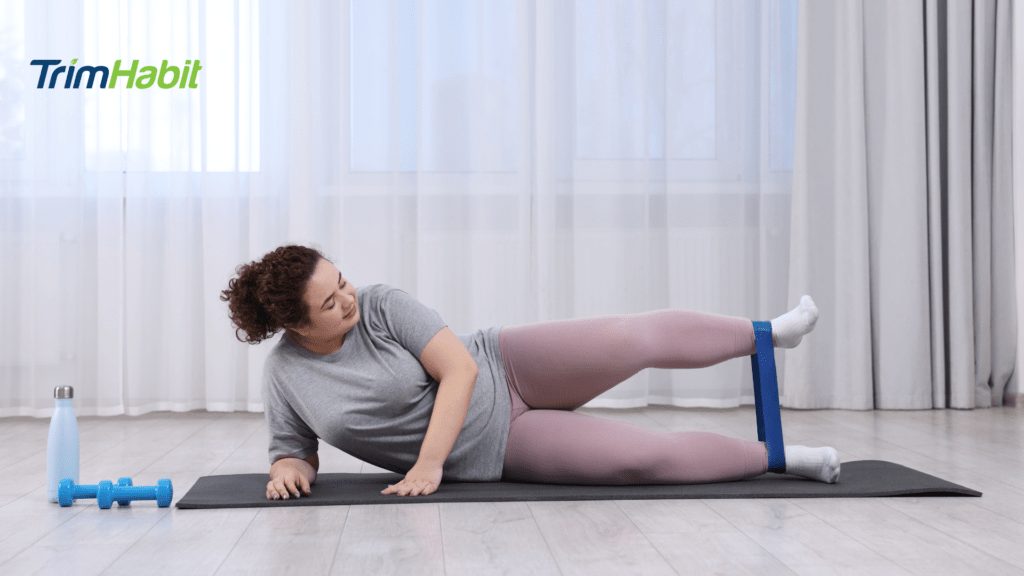
Reaching a healthier body usually involves more than one piece working together. Medication, food choices, movement, and mental habits all play a role, especially when weight is changing.
For those using semaglutide, adding supportive movement matters. Yoga and stretching routines for semaglutide users can help the body adjust as appetite and blood sugar are regulated. Intentional exercise also supports muscle preservation, improves physical comfort, and makes daily movement feel easier and more stable.
This guide looks at how yoga and stretching fit into weight loss efforts, protect muscle, improve insulin response, and support mental health. You will also find practical routine ideas, nutrition guidance, and realistic strategies to help your progress stick for the long term.
Understanding Semaglutide And Its Role In Weight Management
Semaglutide belongs to a class of GLP-1 medications designed to mimic naturally occurring hormones that regulate appetite and blood sugar control. These medications can be instrumental in promoting weight loss by reducing caloric intake through appetite control and improving insulin sensitivity1. Many people taking semaglutide notice significant progress in their weight loss journey, yet exercise remains critical to maximize outcomes.
While semaglutide can support rapid weight loss, there is a risk of losing muscle mass alongside fat if an exercise regimen is not included. Preserving lean muscle mass through strategic routines helps maintain muscle strength, muscle tone, and overall metabolic health. Pairing semaglutide with an exercise plan ensures the benefits extend beyond simple weight reduction, addressing body composition, metabolic health, and long-term healthy lifestyle habits.
Benefits Of Yoga And Stretching For Semaglutide Users
Yoga and stretching offer numerous health benefits for individuals using semaglutide. Incorporating these practices into your fitness journey can provide both physical and emotional advantages.
Enhancing Muscle Strength and Flexibility
Stretching and yoga increase core strength, improve muscle tone, and preserve lean muscle2,3, which is particularly important during weight loss to prevent muscle loss. These routines encourage muscle retention, helping your body maintain lean muscle mass even as body fat decreases.
Supporting Cardiovascular Health and Metabolism
Yoga offers more than flexibility and relaxation. Certain styles can also benefit cardiovascular health. Dynamic practices such as Vinyasa, Power, or Ashtanga involve continuous movement that raises heart rate, supports fat burning, and strengthens muscle tone. Slower, more controlled stretches improve circulation, enhance metabolic efficiency, and help stabilize blood sugar4,5, complementing the effects of GLP-1 medications. Selecting a style that fits your energy and comfort level allows yoga to support both the heart and metabolism while remaining low-impact.
Stress Relief and Mental Health
Yoga provides important stress relief, which can help reduce emotional eating, a common barrier during weight loss. Mindfulness and breathing exercises also support mental health, improve sleep, and complement the physiological effects of weight-loss medications6,7,8.
Support for Overall Fitness
A structured yoga routine contributes to overall fitness by improving flexibility, balance, posture, and core strength. This holistic approach allows you to engage safely in intense workouts, resistance exercises, or high-intensity interval training later, without compromising muscle retention.
Yoga And Stretching Routines For Semaglutide Users
Warm-Up (5–10 minutes)
Even short sessions benefit from warming up to increase circulation and prepare muscles.
- Neck Rolls – Slowly roll your head in circles to release tension.
- Shoulder Shrugs and Rolls – Loosen tight shoulders and upper back.
- Cat-Cow Stretch – Mobilize the spine, warm the core, and improve posture.
Warming up this way primes your muscles for both muscle retention and core strength exercises in the session.
Core Yoga Flow (20–25 minutes)
This sequence balances gentle strength, stretching, and low-impact movement.
- Downward Dog – Stretches hamstrings, calves, and shoulders, supporting muscle tone. Hold 5–10 breaths.
- Warrior I and II – Strengthens legs, hips, and lean muscle, while improving balance and body composition.
- Triangle Pose – Opens the sides of the body, strengthens legs, and engages core muscles.
- Bridge Pose – Activates glutes and lower back, preserving muscle mass and supporting fat burning.
- Seated Forward Bend – Lengthens hamstrings and spine, aiding stress relief and flexibility.
- Supine Twist – Promotes spinal mobility, releases tension in the lower back, and encourages relaxation through slow, controlled breathing.
Focus on smooth, controlled movements and steady breathing to keep the body relaxed and movements controlled.
Targeted Stretching (10 minutes)
End your session with focused stretches to maintain flexibility and promote recovery.
- Hamstring Stretch – Lying on your back, lift one leg and gently pull it toward your chest.
- Hip Flexor Stretch – Step one foot forward, sink hips down to stretch hip flexors, supporting muscle retention.
- Chest Opener – Interlace fingers behind your back, gently lift your chest, and stretch your shoulders.
- Calf Stretch – Press heels into the floor or a wall to release tight calves.
These stretches support circulation and recovery, helping the body feel more comfortable alongside medication use.
Optional Additions
- Dynamic Flow (Vinyasa or Power Yoga) – For those seeking more intensity, flowing sequences can increase heart rate, support muscle tone, and encourage fat burning.
- Breathing and Meditation (5 minutes) – Helps with stress relief, emotional eating, and overall mental health.
Combining Yoga With Strength Training
While yoga preserves muscle mass and improves core strength, combining it with strength training ensures muscle retention and enhances metabolic health. Using resistance exercises with bands, dumbbells, or bodyweight helps build muscle, maintain muscle tone, and prevent losing muscle mass during rapid weight loss phases.
Tips for integrating strength training:
- Gradually increase resistance over time to avoid injury.
- Focus on lean proteins to support muscle repair and growth.
- Include exercises like push-ups, squats, lunges, and planks to complement yoga flows.
Alternate yoga days with intense workouts or high-intensity interval training to maximize fat burning while maintaining lean muscle mass.
The Role Of Cardiovascular Exercise
Adding low-impact cardio, such as brisk walking or swimming, enhances cardiovascular health, supports fat loss, and burns more calories. Even a short 20–30 minute session can significantly enhance body composition when combined with yoga and stretching routines.
For individuals on semaglutide, this combination:
- Improves insulin sensitivity.
- Supports blood sugar control.
- Promotes sustainable weight loss without sacrificing muscle strength.
Tip: Alternate cardio days with yoga sessions to prevent overtraining and encourage muscle retention.
Nutrition To Support Your Routine
Exercise alone cannot maximize results. A healthy diet tailored for semaglutide users is essential to support weight loss, stabilize blood sugar levels, and maintain energy levels.
Focus on Macronutrients
- Lean proteins such as chicken, fish, tofu, or eggs help build muscle and prevent muscle loss.
- Healthy fats like olive oil, nuts, and avocado support metabolic health and hormone regulation.
- A nutritious diet rich in vegetables, fruits, and whole grains supports healthy weight and fat burning.
Meal Timing and Calorie Management
Pairing balanced diet principles with semaglutide helps control appetite. Ensure calorie intake matches your activity level to avoid weight gain or nutrient deficiencies.
- Eating smaller, frequent meals supports appetite control and blood sugar stability.
- Combine meals with hydration and mindful eating to reduce emotional eating.
Tips For Sustainable Weight Loss
Yoga and stretching, combined with GLP-1 medications and proper nutrition, contribute to sustainable weight loss. Beyond shedding pounds, the goal is overall health, including muscle retention, improved body composition, and reduced body fat.
Avoid Muscle Loss
Rapid weight loss often leads to the loss of muscle mass, which slows metabolism and increases the risk of weight regain. Integrating resistance exercises, strength training, and lean proteins ensures muscle retention and helps maintain muscle mass throughout your weight loss journey.
Structure Your Exercise Regimen
Consistency is key. Develop a structured exercise plan incorporating:
- Yoga and stretching for flexibility and stress relief.
- Resistance exercises to maintain muscle tone and lean muscle.
- Low-impact cardio for fat burning and improving cardiovascular health.
- Optional high-intensity interval training for advanced fat loss and calorie burning.
Following a structured exercise plan prevents weight regain, supports healthy lifestyle habits, and encourages long-term fitness.
Practical Recommendations For Semaglutide Users
Consult your healthcare provider before starting any new routine. Seek professional guidance to ensure safety, particularly if you have underlying conditions.
- Start slow, especially if you are new to yoga or strength training.
- Combine exercise regimen with weight loss drugs responsibly.
- Track body composition, muscle mass, and weight loss to adjust your routine.
- Stay consistent with balanced diet principles to support fat burning and muscle retention.
- Include recovery days to prevent overtraining and promote muscle strength and flexibility.
Lifestyle Changes That Complement Semaglutide
Healthy lifestyle choices amplify the effects of weight loss medications. Consider:
- Balanced diet focusing on lean proteins, healthy fats, and nutrient-rich foods.
- Avoiding excessive calorie intake from processed foods.
- Regular exercise plan with yoga, stretching, and resistance training.
- Prioritizing sleep and stress management to enhance mental health.
- Monitoring body weight, body fat, and muscle strength to adjust routines as needed.
Avoiding Common Pitfalls
Even with GLP-1 medications in place, progress can stall when key elements are overlooked. One of the most common issues is neglecting muscle retention, which can quietly lead to muscle loss as body weight drops. This often happens when exercise is minimized or treated as optional rather than supportive. Medication can reduce appetite, but it does not replace the role of movement in preserving muscle strength and protecting body composition.
Another challenge comes from relying on medication alone while ignoring exercise and a healthy diet. Without consistent movement and proper nutrition, results may feel unstable or short-lived. Skipping recovery time can also work against progress, especially when workouts become more demanding. Muscles need rest to adapt, rebuild, and maintain strength. Without that recovery window, fatigue increases and physical progress slows.
Emotional eating and inconsistent meal timing can further complicate blood sugar control, even when appetite feels reduced. Stress, lack of structure, and rushed eating habits often undo otherwise solid efforts. Consistency, awareness, and a structured exercise plan help maintain steady progress and reduce setbacks over time, making sustainable weight loss far more realistic.
Final Thoughts
Semaglutide can make weight change feel more manageable, but how your body responds over time still depends on what you do alongside it. Gentle movement like yoga and stretching gives your body support while it adjusts, especially during periods when energy, appetite, and strength may fluctuate. These practices help you stay connected to how your body feels instead of pushing through fatigue or ignoring warning signs.
When flexibility work is paired with resistance work and simple cardio, the body stays stronger and more capable as weight comes off. Muscle is easier to preserve, movement feels more stable, and workouts become something you can maintain instead of something you dread. Nutrition plays the same role. Eating enough protein, including nourishing fats, and staying consistent with meals gives your body what it needs to recover and stay steady.
This combination is not about doing more. It is about doing what supports you long term. When movement, food, and medication work together, progress feels steadier, setbacks feel smaller, and the changes you make are easier to keep.