If you are taking tirzepatide, learning how to manage tirzepatide side effects with diet can make a major difference in how you feel day to day. Although the medication is widely used to support weight loss and blood sugar control, some people experience side effects such as nausea, bloating, digestive discomfort, or changes in appetite during treatment.
Many of these symptoms can often be reduced with simple dietary adjustments. Food choices, meal timing, and portion sizes may all affect how your body responds while taking tirzepatide. Making small changes to your eating habits can help improve comfort, support steady energy levels, and make it easier to stay consistent throughout treatment.
What Is Tirzepatide And How Does It Work?
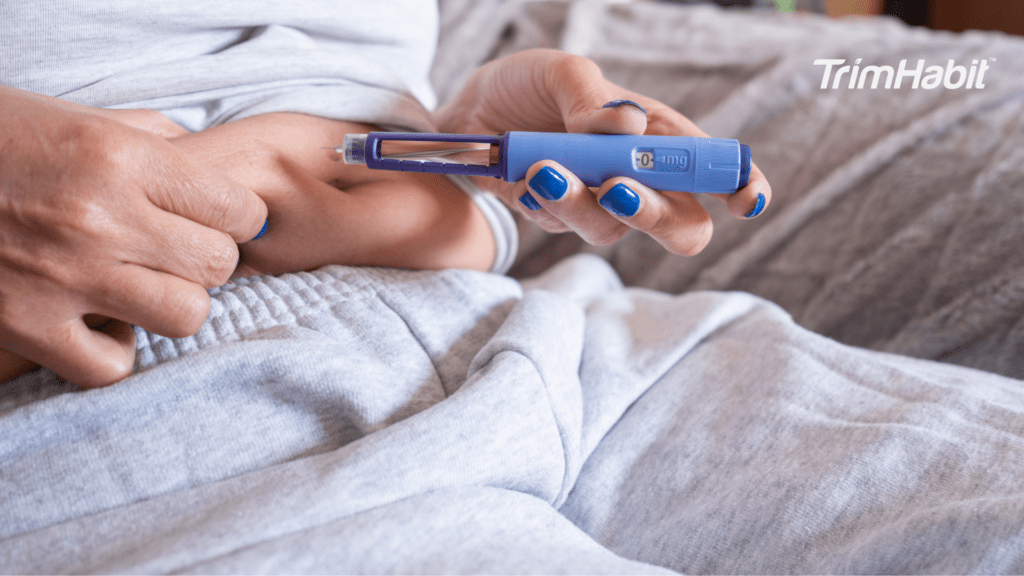
Tirzepatide is a prescription medication used to treat type 2 diabetes and support weight management. It is given as a once-weekly injection and is marketed under brand names such as Mounjaro and Zepbound.
It belongs to a class of drugs known as incretin-based therapies, but it is unique because it targets two hormone pathways instead of one.
How Tirzepatide Works
Tirzepatide mimics two natural hormones involved in blood sugar control and appetite regulation: GLP-1 and GIP.
GLP-1 Receptor Activity
GLP-1, or glucagon-like peptide-1, helps regulate blood sugar after eating. Tirzepatide activates this pathway to increase insulin release when glucose levels are high. It also slows stomach emptying and sends signals to the brain that reduce hunger.
GIP Receptor Activity
GIP, or glucose-dependent insulinotropic polypeptide, also plays a role in insulin secretion. Tirzepatide enhances this pathway, which may improve how the body processes nutrients and stores or burns fat.
Dual Incretin Effect
By activating both GLP-1 and GIP receptors, tirzepatide creates a stronger combined effect. This leads to improved glucose control and more pronounced appetite suppression compared to medications that target only one hormone.
Effects on the Body
Tirzepatide produces several key effects that make it useful for both diabetes and weight management.
- It helps lower blood sugar levels, especially after meals
- It increases insulin production only when needed
- It slows digestion, helping you feel full longer
- It reduces appetite and calorie intake
- It supports gradual and sustained weight loss
Role in Weight Management
Tirzepatide is also used for weight loss due to its strong effects on appetite and satiety. Clinical studies have shown substantial weight reduction in many individuals, particularly when combined with lifestyle changes such as diet and exercise1.
Common Tirzepatide Side Effects
Tirzepatide is generally well tolerated, but it can cause side effects, especially when starting or increasing the dose.
Gastrointestinal Side Effects
The most common side effects affect the digestive system. These happen because the medication slows stomach emptying and changes how the body processes food.
- Nausea
- Vomiting
- Diarrhea
- Constipation
- Stomach discomfort or abdominal pain
These symptoms are usually mild to moderate and tend to improve over time as the body adjusts.
Appetite and Eating Changes
Because tirzepatide affects hunger hormones, appetite changes are expected.
- Reduced appetite
- Feeling full quickly
- Eating smaller portions
While this supports weight loss, some people may need to be mindful of maintaining balanced nutrition.
Injection Site Reactions
Since tirzepatide is given as a weekly injection, some users may notice minor skin reactions.
- Redness
- Itching
- Mild swelling at the injection site
These reactions are typically temporary and resolve on their own.
Blood Sugar–Related Effects
Tirzepatide lowers blood sugar, which is beneficial, but in some cases it may lead to low blood sugar, especially when combined with other diabetes medications.
- Dizziness
- Shakiness
- Sweating
- Fatigue
The risk is higher if used with insulin or sulfonylureas.
Less Common but Notable Effects
Some side effects are less common but still important to be aware of.
- Fatigue
- Burping or bloating
- Acid reflux or indigestion
When to Be Cautious
Although uncommon, more serious issues can occur and require medical attention.
- Severe or persistent abdominal pain
- Signs of dehydration from ongoing vomiting or diarrhea
- Symptoms that do not improve over time
Why Diet Plays A Key Role In Managing Side Effects
Diet has a direct impact on how your body responds to tirzepatide, including how manageable certain side effects feel. Because the medication affects digestion and appetite signals, food choices can influence symptoms such as nausea, bloating, fullness, diarrhea, and stomach discomfort.
Slower Digestion Changes How the Body Handles Food
Tirzepatide slows gastric emptying, which means food stays in the stomach longer. This helps increase fullness and reduce appetite, but it can also make the digestive system feel more sensitive during treatment.
Meals that are too heavy, rich, or difficult to digest may feel more uncomfortable because the stomach empties more slowly than usual.
Appetite Changes Affect Eating Patterns
Many people notice a reduced appetite while taking tirzepatide. Eating less is common, but it may also change how the body reacts to meals and digestion.
Long gaps without food, sudden fullness, or difficulty finishing meals can all influence how side effects feel throughout the day.
Food Composition Can Influence Symptoms
Different foods affect digestion differently while on tirzepatide. Some foods may feel easier to tolerate, while others can make symptoms more noticeable.
Foods that are greasy, very rich, highly processed, or difficult to digest may place more stress on the stomach and digestive tract.
Hydration Plays a Role in Symptom Severity
Digestive side effects can sometimes increase the risk of dehydration, especially if appetite is low or stomach symptoms are present.
Fluid balance may affect:
- Energy levels
- Headaches
- Digestion
- Feelings of weakness or fatigue
This is one reason hydration often becomes more important during treatment.
Reduced Appetite Can Affect Nutrition
Because tirzepatide lowers appetite, some individuals unintentionally eat too little throughout the day. This can affect energy intake and nutrient balance.
When food intake decreases, the quality of meals often becomes more important since the body still needs adequate nutrition to function properly.
The Digestive System Often Needs Time To Adjust
The body may react differently to foods while adjusting to tirzepatide, especially during the first weeks of treatment or after dose increases.
This is why certain foods may feel easier to tolerate during some periods, while others may temporarily worsen digestive discomfort.
How To Manage Tirzepatide Side Effects With Diet
Diet plays a central role in how well your body tolerates tirzepatide, especially during the first few weeks of use or after dose increases. Because this medication slows digestion and reduces appetite, simple adjustments to how and what you eat can significantly reduce side effects.
Eat Smaller, More Frequent Meals
Large meals can overwhelm the digestive system, leading to nausea or discomfort. Eating smaller portions helps your body process food more comfortably.
- Aim for smaller meals spaced throughout the day
- Avoid overeating, even if you feel hungry
- Stop eating once you feel satisfied, not full
This approach aligns with the slower digestion caused by tirzepatide.
Choose Low-Fat, Easy-to-Digest Foods
High-fat meals tend to stay in the stomach longer and can worsen nausea, bloating, or heaviness.
Better options include:
- Grilled or baked lean proteins
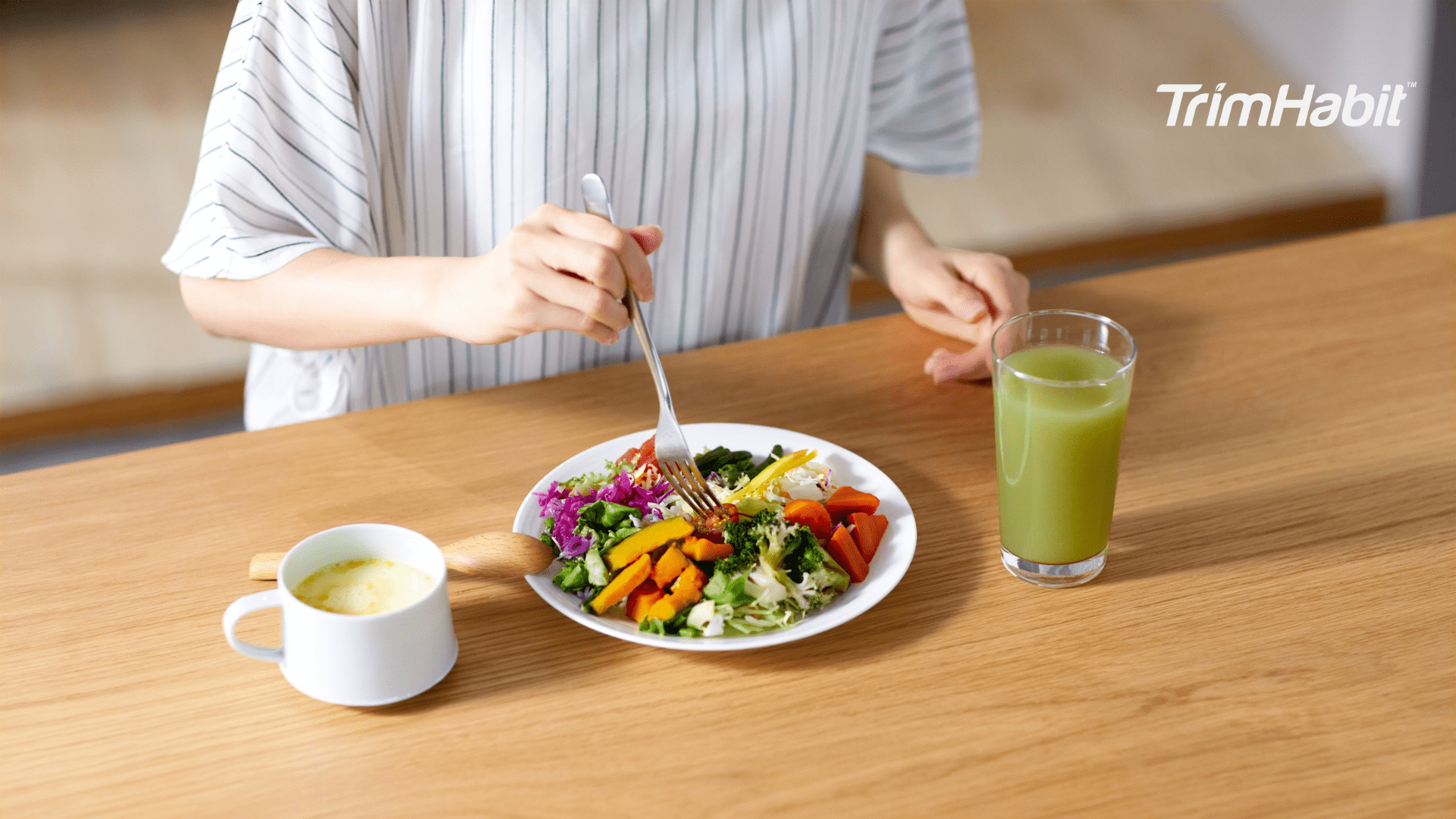
- Steamed vegetables
- Rice, oats, or toast
- Light soups or broths
Keeping meals simple and lower in fat can make a noticeable difference.
Stay Hydrated Throughout the Day
Hydration supports digestion and helps reduce symptoms like headaches, fatigue, and constipation.
- Sip water regularly instead of drinking large amounts at once
- Include fluids like herbal tea or clear broths
- Increase fluid intake if experiencing diarrhea or vomiting
Proper hydration also helps your body adjust to the medication more smoothly.
Eat Slowly and Mindfully
Eating too quickly can lead to overeating and worsen nausea or bloating.
- Take smaller bites
- Chew thoroughly
- Give your body time to signal fullness
Slowing down meals can improve digestion and reduce discomfort.
Limit Trigger Foods
Certain foods are more likely to aggravate side effects and should be reduced or avoided if symptoms appear.
Common triggers:
- Fried or greasy foods
- Sugary snacks and drinks
- Spicy foods
- Carbonated beverages
- Alcohol
Identifying personal triggers can help you fine-tune your diet.
Include Gentle, Soothing Foods When Needed
If nausea or stomach upset occurs, simple foods can help calm the digestive system.
- Bananas
- Plain rice or toast
- Applesauce
- Light soups
These are often easier to tolerate during periods of discomfort.
Maintain Balanced Nutrition
Reduced appetite can lead to undereating, which may cause fatigue or nutrient deficiencies.
Focus on:
- Lean protein for strength and satiety
- Fiber for digestive support
- Healthy carbohydrates for energy
Even with smaller portions, aim for nutrient-dense meals.
Adjust Gradually with Dose Changes
Side effects often recur temporarily when the dose is increased. Adjusting your diet during these times can help.
- Return to lighter meals for a few days
- Avoid heavy or rich foods
- Prioritize hydration and simple foods
This gives your body time to adapt to the new dose.
When To Adjust Your Diet vs. When To Speak With A Doctor
Managing tirzepatide side effects often starts with simple diet changes, but some symptoms require medical guidance. Knowing the difference can help you stay safe while getting the most benefit from treatment with Mounjaro or Zepbound.
When to Adjust Your Diet
Mild and short-term side effects are common, especially when starting tirzepatide or increasing the dose. These can usually be managed with dietary changes.
Situations where diet adjustments are appropriate:
- Mild nausea after meals
- Occasional bloating or fullness
- Temporary constipation or loose stools
- Reduced appetite without weakness
Helpful actions:
- Eat smaller, more frequent meals
- Choose low-fat, easy-to-digest foods
- Stay hydrated throughout the day
- Avoid greasy, sugary, or heavy meals
If symptoms improve within a few days to a couple of weeks, diet changes are often enough.
When to Monitor More Closely
Some symptoms may not be severe but last longer or affect your daily routine. In these cases, continue dietary adjustments but pay closer attention.
Examples include:
- Ongoing nausea that affects eating
- Noticeable drop in food intake
- Mild but persistent fatigue
- Repeated digestive discomfort
At this stage, consider tracking:
- What you eat
- When symptoms occur
- Portion sizes and triggers
If symptoms do not improve, it may be time to consult a healthcare provider.
When to Speak With a Doctor
Certain side effects go beyond normal adjustment and should not be managed solely with diet.
Seek medical advice if you experience:
- Severe or persistent vomiting
- Inability to keep food or fluids down
- Signs of dehydration, such as dizziness or very low urine output
- Severe abdominal pain
- Ongoing diarrhea that does not improve
- Symptoms of low blood sugar, such as shakiness, confusion, or sweating
These may require dose adjustments, medication changes, or further evaluation.
After Dose Increases
Side effects can return temporarily when the dose is increased. It is normal to adjust your diet again during this period.
- Return to lighter meals for a few days
- Avoid large or fatty meals
- Increase hydration
If symptoms become severe or do not settle, contact your doctor.
Summary
Tirzepatide is a weight-loss medication that works by targeting hormones, such as glucose-dependent insulinotropic polypeptide, to improve blood sugar control and support weight loss. Managing the side effects of tirzepatide often comes down to building better eating habits and following a balanced diet. Choosing lean protein, healthy fats, fiber-rich foods, and fiber-rich fruits can help maintain energy and essential nutrients while you lose weight and regulate blood sugar.
At the same time, limiting trigger foods is key to reducing the side effects of tirzepatide. Fried, greasy, fatty, sugary, and spicy foods, as well as carbonated drinks, can worsen symptoms such as acid reflux and digestive discomfort. If symptoms remain mild, simple diet adjustments can support weight loss and improve overall comfort. However, if more serious issues such as severe stomach pain or severe abdominal pain occur, it is important to seek guidance from a healthcare provider rather than relying on diet alone.