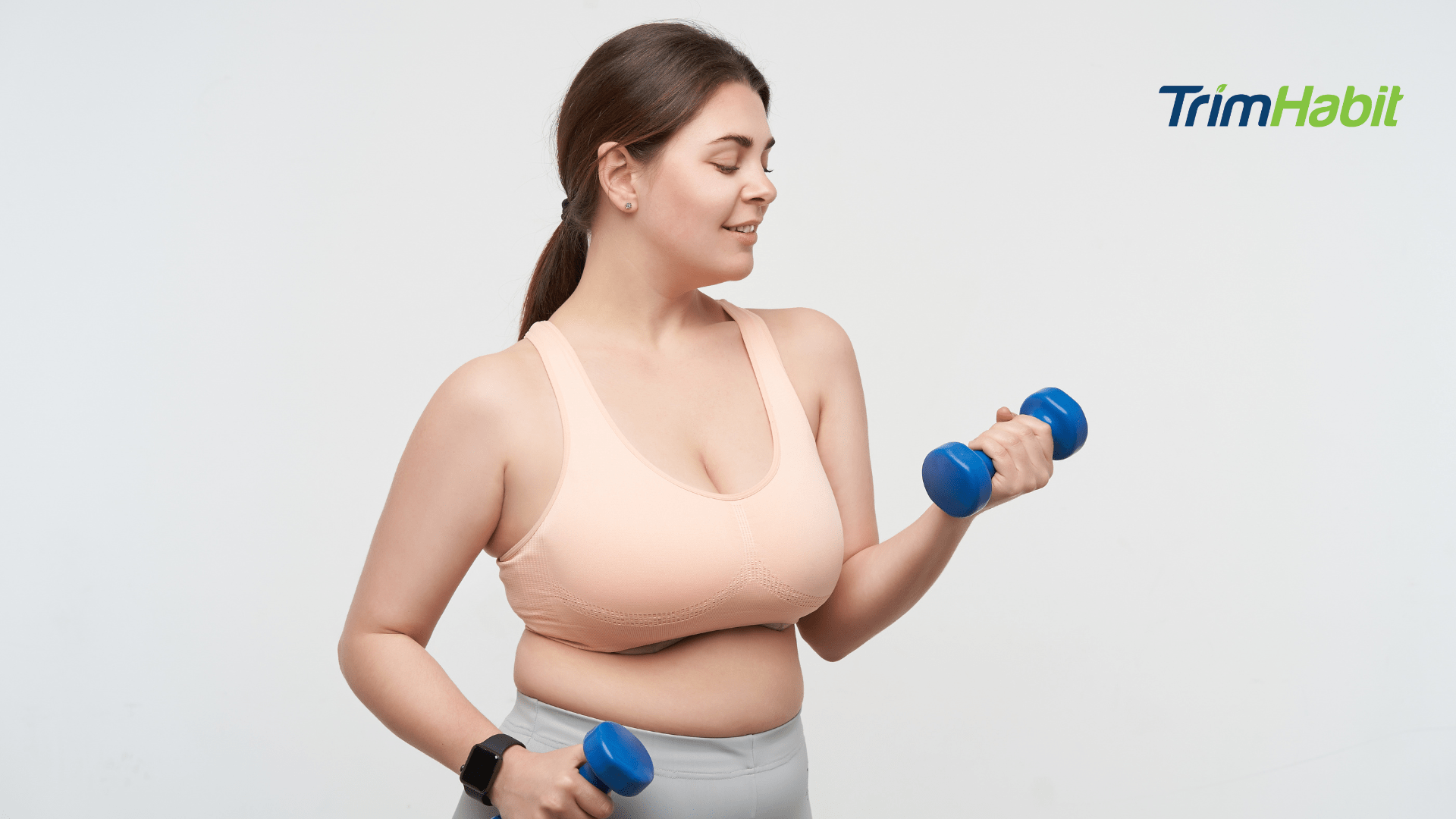
Starting a fitness routine while taking semaglutide can feel both exciting and intimidating. This medication supports your weight loss journey, but pairing it with the right exercise routine can enhance its benefits while minimizing discomfort.
If you’re new to physical activity or worried about putting too much strain on your body, focusing on low-impact workouts is a smart approach. These exercises protect your joints, promote fat burning, and help maintain muscle mass, all while complementing semaglutide’s effects.
In this guide, you’ll discover the best low-impact workouts for beginners on semaglutide, strategies to build strength and flexibility safely, and tips for balancing exercise with your medication to improve your health.
Why Low-Impact Workouts Matter
Low-impact workouts use movements that reduce joint loading while still supporting fitness and physical conditioning1. Unlike high-impact exercises, such as running or jumping, low-impact exercises reduce the risk of injury and are easier to maintain consistently. This makes them ideal for beginners and for individuals taking semaglutide, as you want to avoid overexertion while your body adjusts to both new physical activity and medication.
Taking semaglutide helps you manage appetite and improve insulin sensitivity. Combining it with low-impact workouts can enhance fat loss, maintain lean muscle mass, and improve cardiovascular health. Exercise supports more than calorie burn. It helps maintain progress over time and lowers the risk of weight regain.
Starting Your Low-Impact Exercise Routine
Before you begin, it’s important to focus on your body and energy levels. Listen to what feels sustainable and safe, and allow rest days when needed. Rest is vital for muscle maintenance and preventing injuries, especially when you are starting new activities.
Your beginner workouts should include a mix of low-impact cardio, resistance training, and flexibility exercises. This ensures you target multiple muscle groups, improve core strength, and enhance joint health.
The Best Low-Impact Workouts For Beginners On Semaglutide
Low-Impact Cardio
Cardiovascular health is essential for burning fat and supporting your heart. Low-impact cardio exercises can increase your metabolism without putting excessive strain on your joints2.
Brisk Walking is one of the most accessible options. Walking regularly helps burn calories, improve circulation, and support overall fitness. You can start with short walks around your neighborhood, gradually increasing your pace or distance as you become more comfortable. Walking helps lower stress and supports mental and physical health.
Water Aerobics is another excellent choice. Exercising in water reduces the impact on joints while providing natural resistance that helps with muscle strength. Water aerobics can improve balance, tone muscles, and burn calories effectively.
Low-Impact Cardio Machines like elliptical trainers, stationary bikes, or rowing machines provide a controlled environment for cardiovascular exercise. These options are gentle on joints, help burn fat, and contribute to improving flexibility.
Short Walks spread throughout the day are also beneficial. Even 10-minute walks after meals can aid digestion, help regulate blood sugar, and support insulin sensitivity.
Resistance Training For Beginners
Maintaining muscle mass is crucial while losing weight. Without resistance exercises, you risk muscle loss, which can slow metabolism and hinder fat burning. Resistance training also supports muscle retention, muscle tone, and muscle maintenance3.
Start with light weights or bodyweight exercises to target key muscle groups. For example:
- Push-ups: Modified push-ups against a wall or on your knees strengthen the chest, shoulders, and triceps without excessive strain.
- Bench Presses with light dumbbells: Focus on form and controlled movements to build muscle strength safely.
- Resistance Bands: These are versatile and gentle on the joints while effectively building muscle.
- Bodyweight Squats: Improve leg strength and core strength without heavy loading.
Incorporate resistance training 2–3 times per week. This supports muscle maintenance, helps prevent weight regain, and contributes to a stronger exercise routine.
Yoga And Flexibility Workouts
Yoga is an excellent low-impact workout that improves flexibility, balance, and core strength. It reduces stress, promotes relaxation, and helps regulate hormones affected by GLP-1 medications like semaglutide.
Even simple yoga flows can help you stretch your muscles, increase mobility, and improve circulation. Practicing yoga several times per week can improve health, boost energy, and support semaglutide’s weight-loss effects.
Other flexibility exercises, such as gentle stretching or Pilates, can also improve posture, prevent injuries, and prepare your body for more demanding resistance exercises over time.
Combining Low-Impact Cardio And Strength Training
For fat loss, a combination of low-impact cardio and strength training is most effective. Cardio burns calories and supports cardiovascular health, while strength training builds muscle mass, increases metabolism, and promotes long-term weight loss.
A full body workout for beginners might look like this:
- Brisk walking or stationary cycling: 15–20 minutes
- Bodyweight exercises: Squats, push-ups, lunges (2 sets of 10–12 repetitions each)
- Resistance exercises: Light dumbbell rows or bench presses (2 sets of 10 repetitions)
- Core strengthening: Planks or seated twists (2 sets of 20–30 seconds)
- Stretching or yoga poses: 5–10 minutes
This combination ensures all muscle groups are engaged, muscle retention is supported, and energy levels remain stable. It also reduces the risk of overuse injuries and makes exercise sustainable.
Low-Impact Alternatives To HIIT Workouts
While high-intensity interval training (HIIT workouts) can be effective for fat burning, they often place too much strain on beginners and joints. Low-impact alternatives can provide similar benefits without risk.
Interval Walking is a low-impact substitute. Alternate between a brisk pace and a moderate pace for 20–30 minutes. This helps burn calories, improves insulin sensitivity, and encourages muscle tone.
You can also do water interval training by performing short bursts of faster movements in a pool, followed by slower movements. The water’s resistance makes this exercise effective for muscle maintenance while remaining gentle on joints.
Another option is low-impact cardio circuits, which combine bodyweight exercises, light dumbbell exercises, and moves like marching in place. Doing each exercise for 30 to 60 seconds with short rest periods encourages increasing metabolism without risking muscle loss or joint pain.
Building Strength Safely
Strength training is essential for maintaining muscle mass while taking semaglutide. Muscle strength supports joint health, burns fat more efficiently, and prevents weight regain.
When lifting weights or performing resistance exercises, prioritize:
- Controlled movements over heavy loads
- Proper form to avoid injury
- Gradual progression in weight or repetitions
Focusing on light weights initially allows you to improve technique, build lean muscle mass, and increase confidence. Over time, you can incorporate strength training methods, such as resistance training or weight lifting, to maintain muscle mass.
Core Strength And Stability
Improving core strength is vital for beginners, as a strong core enhances balance, posture, and fitness. Low-impact exercises that target the core include:
- Planks or modified planks
- Seated twists with a medicine ball or light weight
- Leg lifts or lying knee tucks
- Yoga poses that engage the abdominal muscles
Core strength supports better muscle tone, helps prevent injuries, and enhances physical activity performance in daily life. It also makes other exercises, such as walking or resistance exercises, more effective.
Flexibility And Joint Care
Low-impact exercises such as yoga, stretching, or Pilates improve flexibility, reduce stress, and protect joints. This is especially important when starting a new exercise routine while taking semaglutide, as your body adjusts to both the medication and physical activity.
Improving flexibility enhances movement efficiency, prevents injuries, and supports muscle retention. Gentle stretching after workouts also promotes blood flow and aids in recovery, keeping energy levels stable.
Incorporating Rest Days
Rest days are critical for muscle maintenance, muscle retention, and preventing overuse injuries. When you exercise consistently, your muscles need time to repair and strengthen.
Even low-impact routines benefit from rest. Alternate days of walking, yoga, and resistance exercises with recovery days or light activity such as stretching or short walks. This balance prevents too much strain on your body while supporting overall health and joint health.
Tracking Progress And Staying Motivated
Your weight loss journey is unique. Tracking your weight, body fat, and muscle mass can help you see progress beyond the scale. Taking semaglutide may support fat loss, but combining it with low-impact exercises helps maintain muscle and boost metabolism.
Celebrate improvements in muscle tone, energy levels, and strength. Even small gains in flexibility, walking endurance, or the ability to complete push-ups or bench presses safely are signs of success.
Additional Low-Impact Exercises
Other beginner-friendly options include:
- Yoga flows for balance, core strength, and stress reduction
- Tai chi or gentle martial arts movements to improve stability and overall fitness
- Brisk walking by the beach or other scenic areas to combine physical activity with outdoor enjoyment
- Water aerobics for resistance, cardiovascular benefit, and joint safety
These exercises improve insulin sensitivity, boost metabolism, and enhance muscle retention without risk of muscle loss.
Nutrition And Exercise Together
While semaglutide helps regulate appetite and supports weight loss, nutrition plays a key role in muscle maintenance and fat loss. Eating a balanced diet that supports lean muscle mass, provides enough protein, and maintains stable blood sugar levels ensures your workouts are effective.
Resistance training and low-impact exercises help you burn calories, improve muscle strength, and complement semaglutide’s effects. Combining proper nutrition with exercise helps build muscle, increase muscle tone, and prevent weight regain.
Sample Weekly Beginner Workout Plan
Here’s an example exercise routine you can follow:
Monday:
- Brisk walking: 20 minutes
- Bodyweight squats: 2 sets of 10
- Push ups: 2 sets of 8
- Gentle yoga: 10 minutes
Tuesday:
- Water aerobics: 30 minutes
- Core exercises: 2 sets of 20-second planks
- Stretching: 10 minutes
Wednesday:
- Rest day or short walks
- Gentle stretching for flexibility
Thursday:
- Brisk walking: 25 minutes
- Resistance exercises with light weights: 2 sets of 10–12
- Core strengthening: 2 sets
Friday:
- Low-impact cardio circuit: 20 minutes
- Bodyweight exercises: 2 sets of 10
- Yoga: 10 minutes
Saturday:
- Water aerobics or cycling: 30 minutes
- Light strength training: 2 sets of 10–12
Sunday:
- Rest day
- Short walk: 10–15 minutes
- Stretching for muscle maintenance
This plan balances physical activity, muscle retention, and rest days to support weight loss, improve muscle tone, and maintain health.
Avoiding Common Mistakes
While performing low-impact exercises, beginners often:
- Push too hard, leading to too much strain
- Skip rest days, risking muscle loss
- Focus only on cardio, neglecting resistance training
- Ignore core strength and flexibility, increasing injury risk
Paying attention to these points helps you stick to your exercise routine, improve fitness, and get the most from low-impact workouts while taking semaglutide.
Staying Consistent
Staying consistent with your exercise routine is one of the most important factors for lasting results. Doing low-impact exercises, resistance training, and yoga regularly helps you maintain muscle, improve energy, and strengthen joints while supporting fat loss. Combining these workouts with semaglutide helps you lose weight more effectively while protecting your muscles from decline and avoiding unnecessary strain on your body.
Even short sessions of 15 to 30 minutes per day can build a strong foundation. Over time, these workouts improve endurance, support lean muscle development, and make daily activity easier, creating sustainable habits that enhance your fitness and energy.
Tips For Long-Term Success
- Track your weight, body fat, and muscle mass to see progress.
- Rotate exercises to target all muscle groups.
- Include resistance training 2–3 times per week to support muscle maintenance.
- Incorporate low-impact cardio daily for cardiovascular health.
- Stretch or practice yoga to improve flexibility and prevent injuries.
- Listen to your body and avoid overexertion.
- Use short walks or brisk walking to stay active on rest days.
- Focus on energy levels and recovery as much as calories burned.
Conclusion
Starting a low-impact exercise routine while taking semaglutide helps you get the most out of your weight loss efforts. Brisk walking, water aerobics, resistance training, and yoga engage multiple muscles, strengthen joints, and support metabolism without putting your body under too much strain.
Pairing these activities with balanced nutrition and adequate rest preserves muscle, improves energy, and protects against weight regain. Even short daily sessions can improve cardiovascular health, maintain lean muscle mass, and make daily movement easier, helping you build lasting habits that support both fat loss and muscle strength.
With consistent effort and proper guidance, you can progress safely, enjoy stronger muscles, and feel more capable in everyday activity.